
 Save to everydaypinmeals
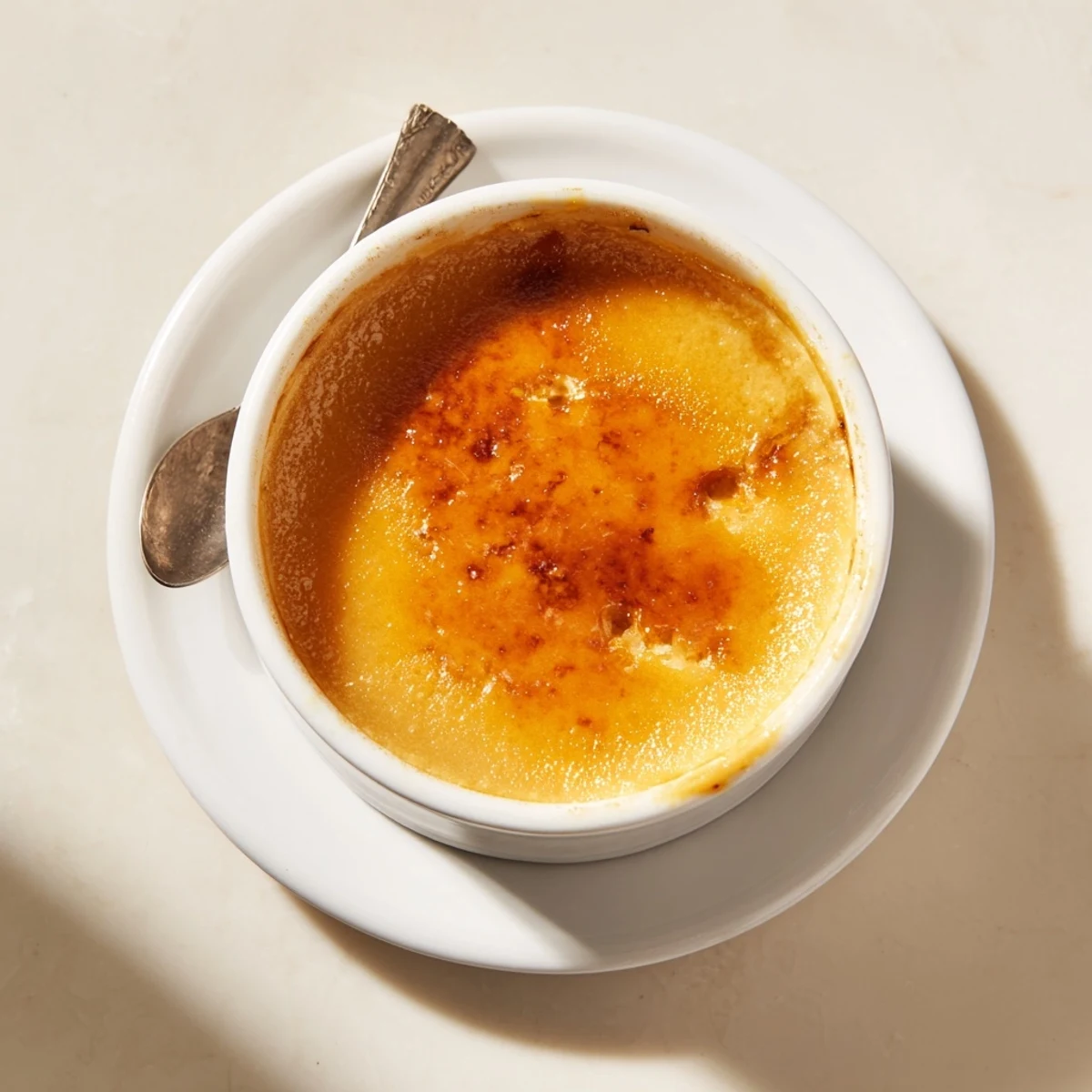
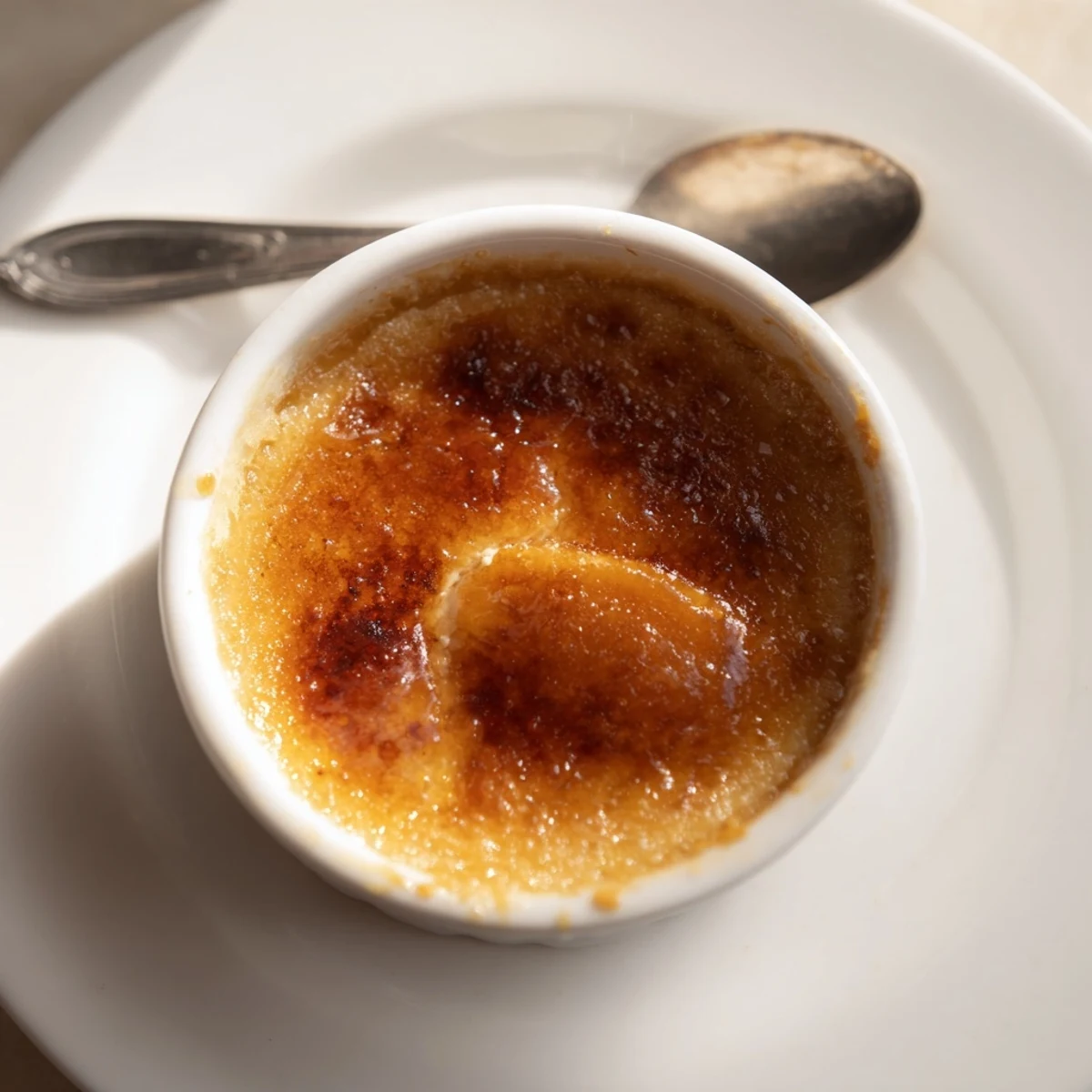
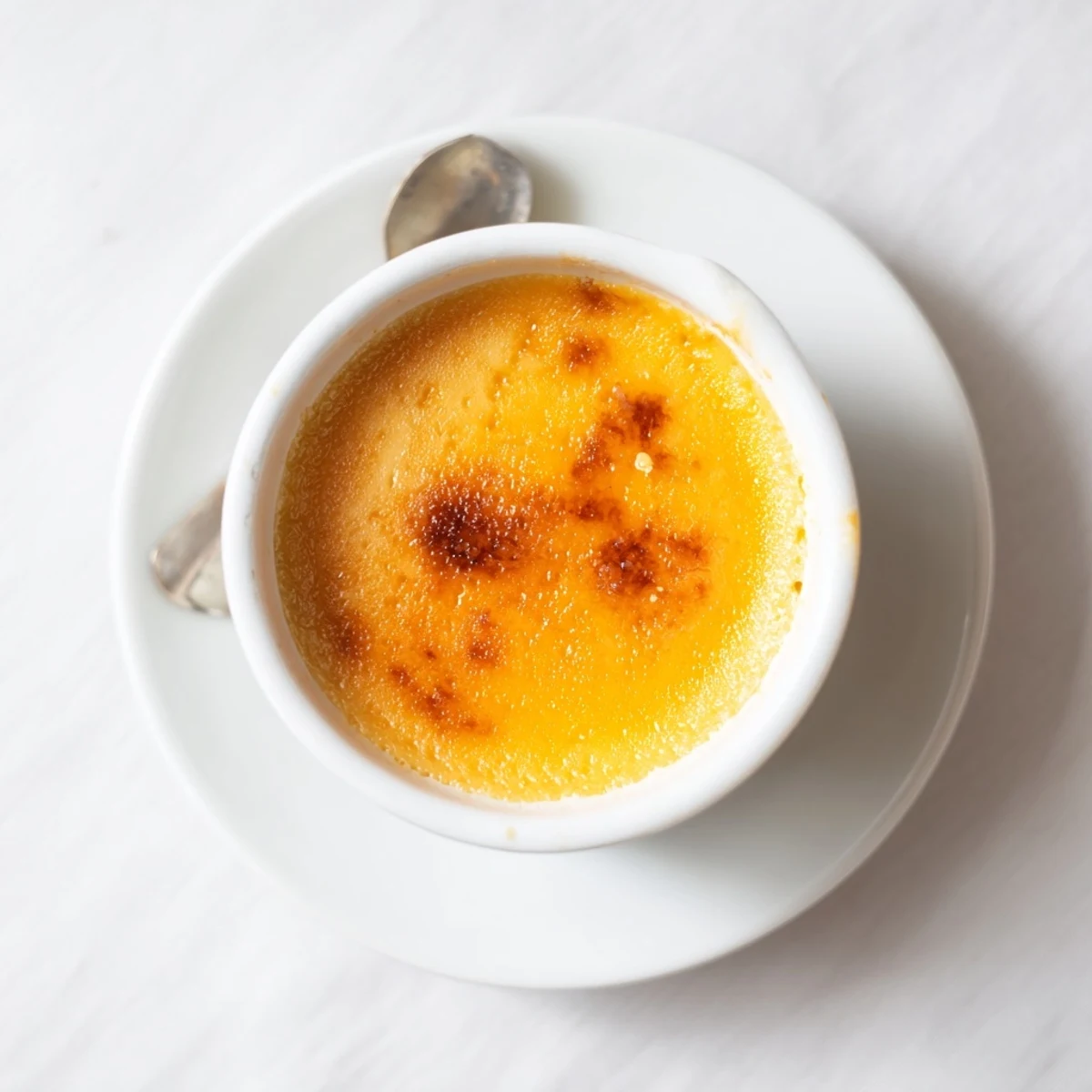
 This elegant French dessert combines sweet persimmon puree with classic vanilla custard, creating a silky base that's topped with a crisp caramelized sugar layer. The bright, fruity notes of ripe persimmons balance perfectly with the rich, creamy custard beneath. After baking in a gentle water bath and chilling until set, each serving gets finished with a torch-kissed sugar crust that cracks satisfyingly to reveal the smooth dessert inside. The result is a stunning fusion of traditional crème brûlée technique with seasonal persimmon flavor that feels both sophisticated and comforting.
My neighbor's persimmon tree hung heavy with fruit one autumn, and she pressed a bag of bright orange Fuyus into my hands while chatting over the fence. I had more than I could eat fresh, so I started experimenting with ways to preserve their delicate honey sweetness. Something about their coral color reminded me of the burnt sugar on crème brûlée, and I wondered if the two could dance together in the same dish. That first batch came out of the oven with the prettiest sunset gradient I'd ever seen in a ramekin.
I served these at a small dinner party during the first snowfall of the year, watching everyone crack through their sugar crusts in unison. The sound of that caramelized shell shattering is like music at the table. My friend Sarah actually closed her eyes after her first bite and whispered something about how the persimmon made everything taste like October in a spoon.
Ingredients
- 2 ripe Fuyu persimmons: These squat, tomato shaped persimmons are crucial because they're sweet even when firm, unlike the astringent Hachiya variety
- 2 tablespoons granulated sugar: Just enough to draw out the persimmons natural juices and balance their sweetness
- 1 teaspoon lemon juice: A tiny splash that keeps the persimmon layer from oxidizing and adds brightness
- 1 cup heavy cream: The foundation of that luxurious, restaurant texture custard
- 1/2 cup whole milk: Lightens the cream just enough so the dessert feels velvety not heavy
- 4 large egg yolks: Room temperature yolks incorporate more smoothly into the warm cream
- 1/4 cup granulated sugar: The perfect sweetness level that lets the persimmon flavor shine through
- 1 teaspoon pure vanilla extract: Use the real stuff here, it makes a noticeable difference in the finished custard
- 1/8 teaspoon fine sea salt: A pinch that makes all the other flavors pop like they should
- 4 teaspoons granulated sugar: For that essential crispy sugar crust on top
Instructions
- Get your water bath ready:
- Preheat your oven to 300°F and arrange four 6 ounce ramekins in a deep baking pan while you work
- Make the persimmon layer:
- Blend peeled chopped persimmons with 2 tablespoons sugar and lemon juice until completely smooth
- Layer the fruit:
- Divide the puree among your ramekins spreading it into an even thin layer at the bottom
- Warm the dairy:
- Heat cream and milk over medium heat until you see steam rising but before it starts boiling
- Whisk the yolks:
- Beat egg yolks with 1/4 cup sugar vanilla and salt until the mixture turns pale and slightly thick
- Combine carefully:
- Pour hot cream into yolks slowly while whisking constantly to keep everything smooth
- Strain for silkiness:
- Pour the custard through a fine mesh sieve to catch any cooked bits of egg
- Fill the ramekins:
- Gently pour custard over the persimmon layer in each ramekin
- Create the bath:
- Pour hot water into the baking dish until it reaches halfway up the sides of the ramekins
- Bake gently:
- Bake for 35 to 40 minutes until the custard is set but still wobbles slightly in the center
- Chill completely:
- Cool to room temperature then refrigerate for at least 2 hours or overnight
- The moment of truth:
- Sprinkle each custard with 1 teaspoon sugar and torch until golden and crispy
- Wait a moment:
- Let the brûlée rest for 3 to 5 minutes so the sugar crust has time to harden properly
 Save to everydaypinmeals
 These became my go to dessert for dinner parties after that first snowy evening. Theres something so satisfying about serving something that looks impressive but actually rewards you for making it ahead of time.
Making It Ahead
The custards actually improve after a night in the refrigerator, the flavors meld together and the texture becomes even more luxurious. Just add the sugar crust right before serving for that perfect contrast between cold creamy custard and warm crackly topping.
No Torch, No Problem
Before I owned a kitchen torch, I used my ovens broiler setting with great success. Just keep the door cracked and watch like a hawk, sugar goes from perfectly golden to burnt in seconds under a broiler.
Serving Suggestions
I love serving these with something tart to cut through the richness, like a few fresh raspberries or a splash of crème fraîche. A glass of late harvest wine turns dessert into an occasion.
- Warm your serving plates in the oven for a few minutes, the contrast against the cold custard is lovely
- Have your torch ready and brûlée the custards at the table if you want to impress
- Leftovers will keep for 2 days though the sugar crust will soften over time
 Save to everydaypinmeals
 Theres nothing quite like that first crack through the caramelized sugar into the cool creamy custard beneath. Hope these bring a little autumn joy to your table too.
Recipe FAQs
- → What type of persimmons work best?
-
Fuyu persimmons are ideal because they're naturally sweet and non-astringent. If using Hachiya variety, ensure they're extremely ripe and soft before blending.
- → Can I make this ahead of time?
-
Yes, the custards can be prepared up to 2 days in advance. Refrigerate until set, then add the caramelized sugar topping just before serving for the best texture.
- → Do I need a kitchen torch?
-
A kitchen torch gives the most control, but you can also broil under a hot grill for 1-2 minutes. Watch closely to prevent burning the sugar.
- → Why is my custard curdled?
-
Curdling happens when eggs cook too quickly. Always temper the yolks by slowly adding hot cream while whisking constantly, and avoid boiling the dairy mixture.
- → How do I know when it's done baking?
-
The custards should be just set with a slight wobble in the center—like gelatin. They'll continue firming up during chilling, so avoid overbaking.