
 Save to everydaypinmeals
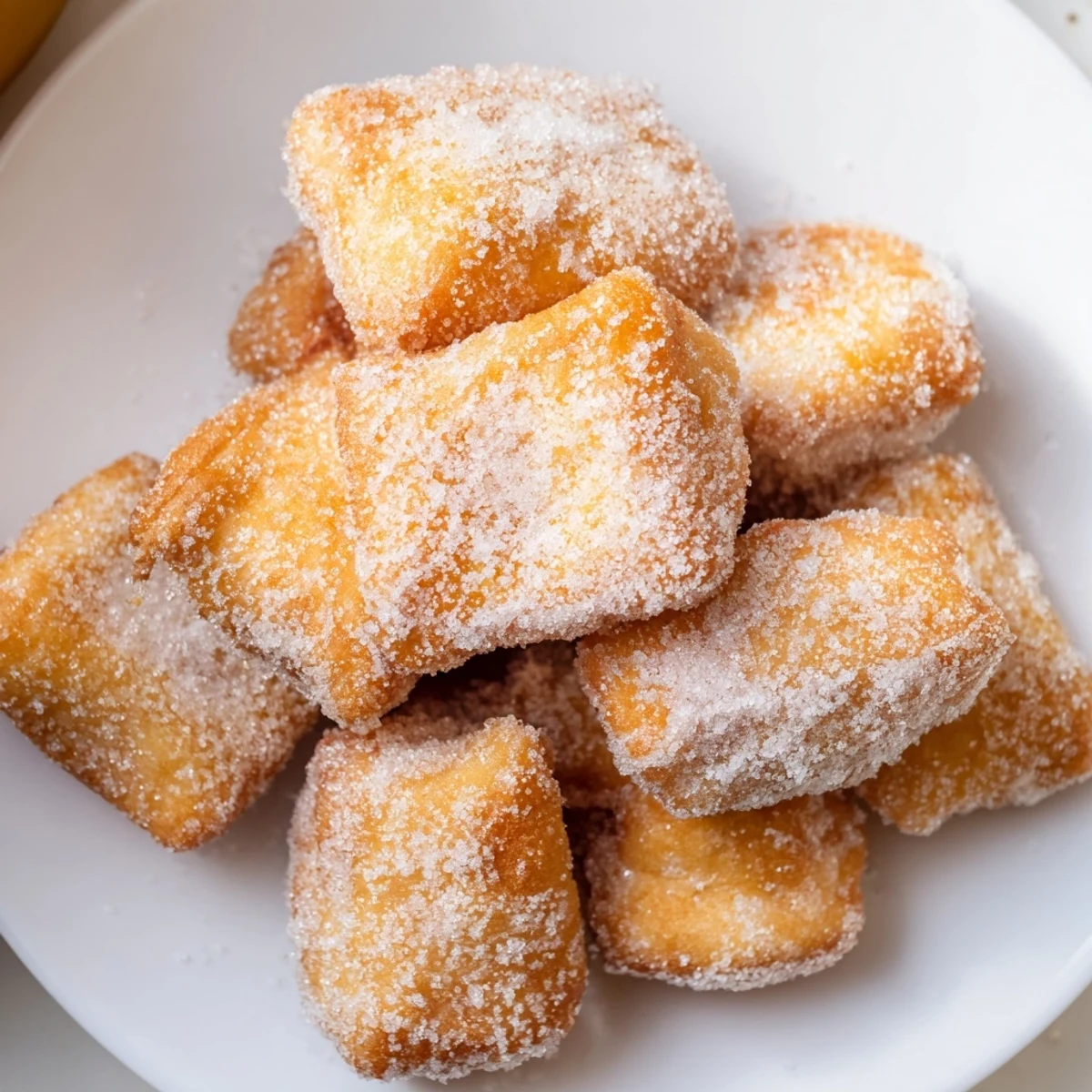
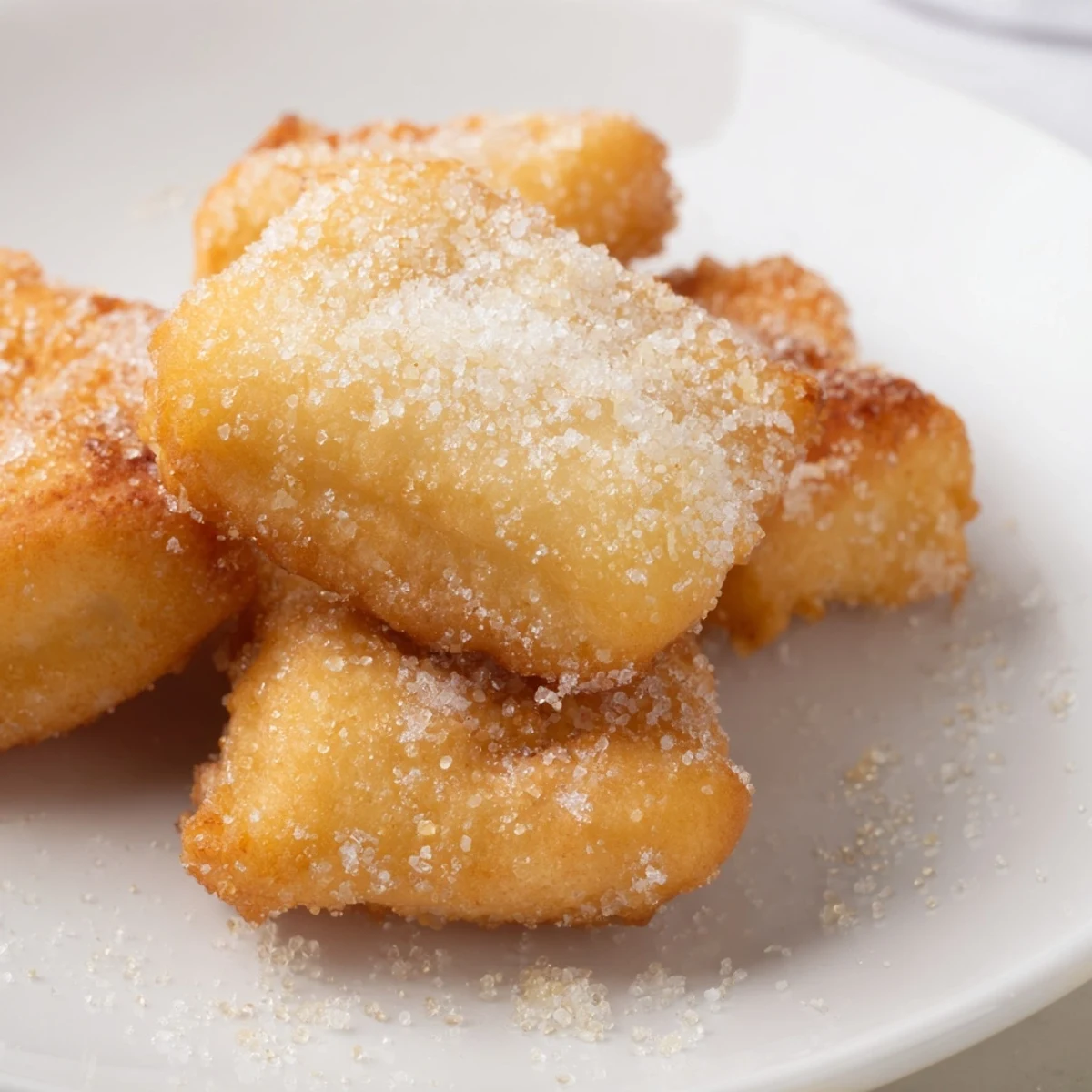
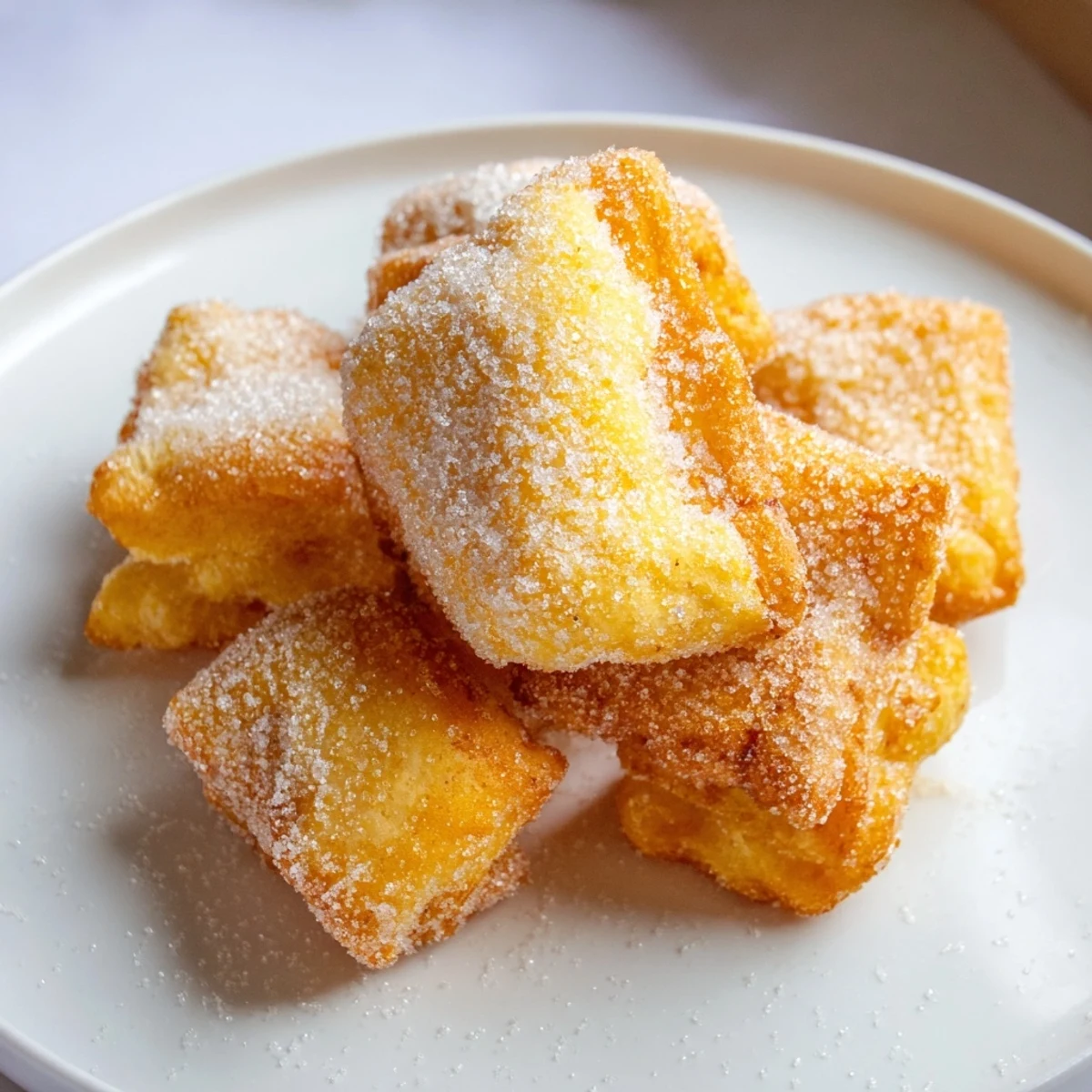
 This classic Mardi Gras treat features golden, pillowy fried dough pieces tossed generously in sugar. A light, fluffy texture is achieved through a yeast-based dough, which is rolled, cut, and fried until puffed and crisp. Perfectly sweetened with granulated or powdered sugar, it pairs delightfully with coffee or hot chocolate, delivering a festive, satisfying bite.
The first time I had these was during a rainy Tuesday in college, when my roommate from Louisiana decided we needed a pick-me-up. She taught me to listen for that exact sizzle sound when the dough hits the oil—too quiet and the oil isn't hot enough, too aggressive and it's burning. Now the smell of frying dough instantly takes me back to that tiny kitchen with newspapers spread across the counter to catch the sugar mess.
Last Fat Tuesday, my neighbor smelled the frying from her balcony and knocked on my door with two mugs of café au lait. We stood over the paper towel-lined plate eating them warm while sugar drifted onto everything. She told me in New Orleans, you're supposed to wear clothes you don't care about because powdered sugar gets everywhere, but she preferred granulated anyway.
Ingredients
- Active dry yeast: This is what creates those beautiful air pockets inside that make the dough puff up like magic when it hits the hot oil
- Warm milk: Make sure it's bathwater temperature, around 110°F—too hot and you'll kill the yeast, too cool and it won't wake up properly
- Granulated sugar: You'll split this between waking up the yeast and coating the finished dough, creating that irresistible crunch
- All-purpose flour: Bread flour would make these too chewy, so stick with regular all-purpose for that classic pillowy texture
- Salt: Just enough to balance the sweetness—don't skip this or they'll taste flat
- Unsalted butter: Melted butter adds richness and helps create a tender crumb that doesn't get tough
- Egg: This adds structure and helps the dough hold together during frying
- Vegetable oil: You need enough oil so the dough can float freely—crowding the pot drops the temperature fast
- Extra sugar for coating: Work quickly while the fried dough is still warm so the sugar actually sticks
Instructions
- Wake up the yeast:
- Dissolve the yeast with 1 tablespoon of sugar in the warm milk, then walk away for 5 to 10 minutes. You're looking for foam to form on top—if nothing happens, your yeast might be dead and you need to start over.
- Whisk the dry ingredients:
- In a separate large bowl, combine the flour, remaining sugar, and salt until everything's evenly distributed.
- Bring it together:
- Pour in the melted butter, crack in the egg, and add that foamy yeast mixture. Mix until a shaggy dough forms—it'll look rough but that's completely normal at this stage.
- Knead until smooth:
- Turn the dough onto a floured counter and knead for 5 to 7 minutes, pushing it away with your heel and folding it back over itself. You'll feel it transform from sticky to smooth and elastic.
- Let it rise:
- Place the dough in a lightly oiled bowl, cover it with a clean towel, and find a warm corner of your kitchen. Wait about an hour until it's doubled in size.
- Roll it out:
- Punch down the risen dough—that satisfying whoosh releases all the air bubbles—then roll it to 1/4-inch thickness on a floured surface.
- Cut into pieces:
- Slice the dough into 2-inch squares or strips, trying to keep them relatively uniform so they fry at the same rate.
- Heat the oil:
- Bring your oil to 350°F in a deep pot or dutch oven. If you don't have a thermometer, drop in a tiny piece of dough—it should immediately bubble and rise to the surface.
- Fry until golden:
- Cook the dough pieces in batches, about 1 to 2 minutes per side, until they're golden brown and puffed up like little pillows. Don't overcrowd the pot or the oil temperature will plummet.
- Drain briefly:
- Lift them out with a slotted spoon and let them rest on paper towels for just a minute—any longer and they'll start to get soggy.
- Sugar them immediately:
- Toss the warm dough in granulated sugar while it's still slightly hot, or sift powdered sugar over top if you want that classic beignet look.
- Serve right away:
- These are at their absolute best fresh from the fryer, so call everyone to the kitchen before you even start the next batch.
 Save to everydaypinmeals
 My niece asked if we could make rainbow-colored ones for her birthday, and we ended up with a plate of neon dough that tasted exactly the same but made everyone giggle. Sometimes the food that matters most has nothing to do with perfection and everything to do with who's standing beside you at the stove.
Making These Your Own
I've experimented with adding cinnamon to the sugar mixture, and honestly, it transforms these into something that tastes like a doughnut crossed with a churro. A pinch of nutmeg in the dough itself creates this subtle warmth that people notice but can't quite place—my mother-in-law still asks what my secret ingredient is every time I make them.
The Oil Temperature Secret
After years of either burning the outside or leaving the inside raw, I finally invested in a cheap instant-read thermometer and it changed everything. The oil will naturally drop when you add dough, so let it come back up between batches instead of rushing—that patience is what separates okay fried dough from the kind people write home about.
Serving Suggestions
These are practically begging to be served alongside something hot to drink, preferably coffee that's been cut with plenty of hot milk. I've also brought them to brunch potlucks and watched them disappear before anything else on the table, so consider making them your signature contribution to morning gatherings.
- Set up a DIY sugar bar with bowls of cinnamon sugar, powdered sugar, and even colored sprinkles for kids
- If you're feeling fancy, a drizzle of melted chocolate or a side of berry compote elevates these from party food to dessert course
- Leftovers reheat surprisingly well in a 300°F oven for about 5 minutes, though honestly, that's rarely been an issue at my house
 Save to everydaypinmeals
 Whatever you do, don't wait for a special occasion to make these. Some Tuesday when you need a little joy in your kitchen is reason enough.
Recipe FAQs
- → What kind of flour is best for this dough?
-
All-purpose flour works well to achieve the right balance of gluten for a tender yet structured dough.
- → Can I use powdered sugar instead of granulated?
-
Yes, powdered sugar creates a classic dusting and a lighter sweetness on the dough.
- → How hot should the oil be for frying?
-
Heating oil to 350°F (175°C) ensures the dough cooks quickly and evenly to a golden crisp.
- → How long should the dough rise?
-
Let the dough rise in a warm spot for about 1 hour or until it doubles in size for optimal lightness.
- → What are good beverage pairings for this dish?
-
Coffee or hot chocolate complement the sweet, fried dough flavors and add a comforting touch.