
 Save to everydaypinmeals
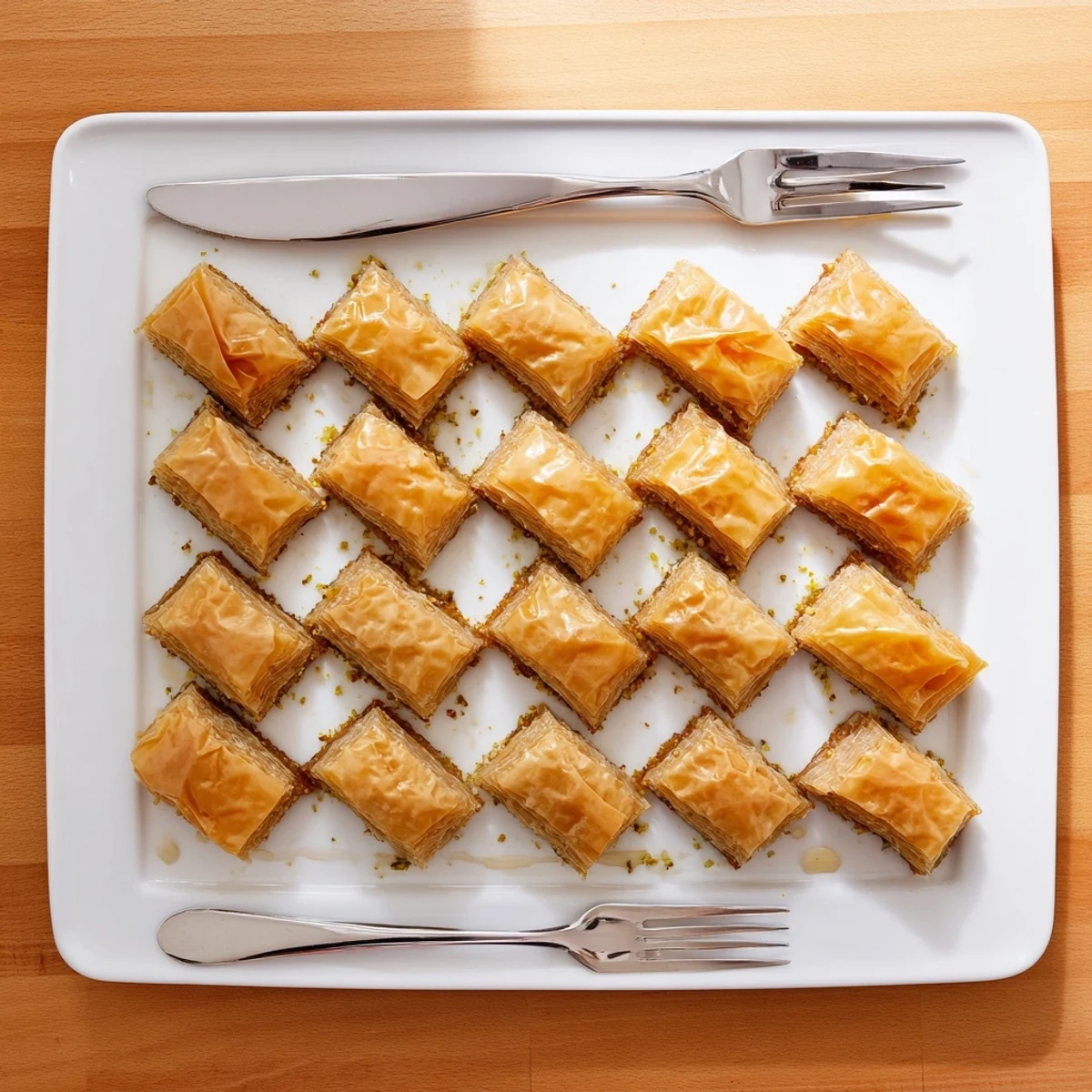
 This traditional dessert features delicate phyllo pastry layered with a spiced blend of walnuts, pistachios, and almonds. Each sheet is brushed with butter and baked until golden crisp, then soaked in warm honey syrup infused with cinnamon and lemon.
The result creates a perfect balance of textures—shattering flaky pastry against tender, syrup-soaked layers. The nut filling provides earthy richness while cinnamon and cloves add warm spice notes.
Serve at room temperature for the best texture, allowing time for the syrup to fully penetrate every layer. Pair with strong Greek coffee or mint tea to cut through the sweetness.
The first time I attempted baklava, I was visiting my yiayia in her small kitchen just outside Athens. She watched me struggle with the phyllo sheets, tearing more than I successfully layered, until she finally took the brush from my hands with a knowing smile. That afternoon taught me that baklava isn't about perfection it is about patience, butter, and the wisdom to let things rest.
I made this for a neighborhood potluck last summer, cutting it into tiny diamonds because everyone said they were too full for dessert. Within ten minutes, the platter was empty and three people had asked for the recipe. The host confessed she ate three pieces before dinner even started.
Ingredients
- 200 g walnuts: Walnuts provide the earthy foundation that balances the honey sweetness
- 100 g pistachios: These add beautiful green specks and a subtle buttery flavor
- 50 g almonds: Almonds round out the nut blend with their gentle sweetness
- 2 tsp ground cinnamon: This much cinnamon gives warmth without overpowering the delicate phyllo
- 1/4 tsp ground cloves: A little goes a long way, adding mysterious depth to the filling
- 2 tbsp granulated sugar: This tiny amount helps the nuts caramelize slightly while baking
- 400 g phyllo dough: Keep it covered with a damp towel or it will become unworkable in minutes
- 200 g unsalted butter: Melt it completely and keep it warm for easy brushing
- 250 g granulated sugar: This creates the syrup base that will transform crisp pastry into something sublime
- 200 ml water: The right ratio of water to sugar creates a syrup that thickens beautifully
- 180 g honey: Use a mild honey so it does not compete with the cinnamon and citrus notes
- 1 cinnamon stick: Whole cinnamon infuses the syrup more gently than ground spice
- 3 strips lemon peel: Use a vegetable peeler to get strips without the bitter white pith
Instructions
- Prepare your workspace:
- Preheat your oven to 170°C and generously butter a 23x33 cm baking dish
- Mix the filling:
- Combine all three nuts with cinnamon, cloves, and sugar in a bowl until evenly blended
- Handle the phyllo with care:
- Unroll the dough and immediately cover it with a lightly dampened clean kitchen towel
- Build the foundation:
- Lay down eight sheets of phyllo, brushing each one thoroughly with melted butter before adding the next
- Add the first nut layer:
- Sprinkle exactly one third of your nut mixture evenly across the buttered phyllo
- Create the middle layers:
- Add four more buttered phyllo sheets, then another third of the nuts, followed by four more buttered sheets and the remaining nuts
- Complete the top:
- Finish with four final sheets of phyllo, buttering each one, then give the top an extra generous butter coating
- Cut before baking:
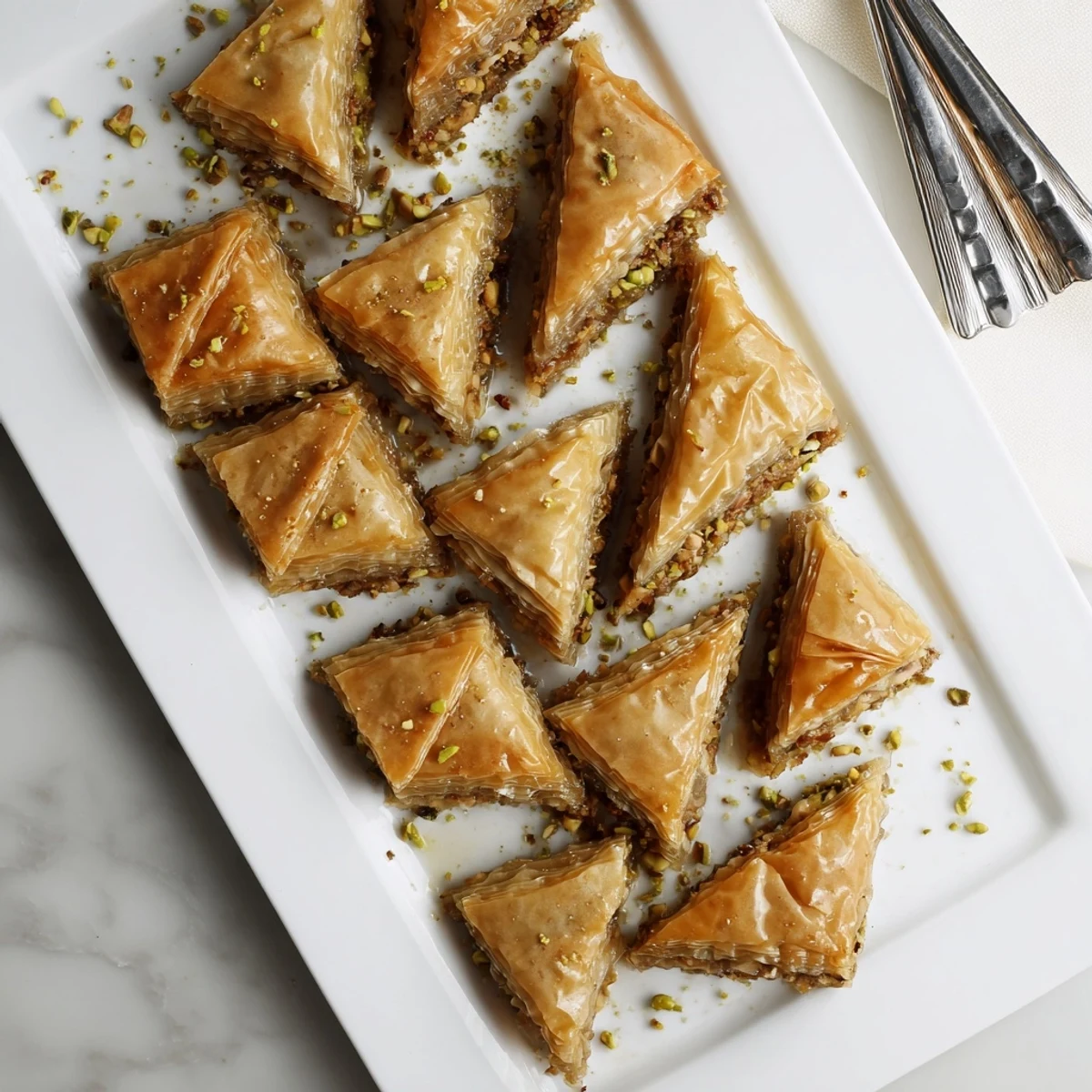
- Use your sharpest knife to cut diamond or square shapes all the way through before baking
- Bake until golden:
- Bake for 45 to 50 minutes until the top turns a deep amber color and the layers feel crisp
- Make the syrup while it bakes:
- Combine sugar, water, honey, cinnamon stick, and lemon peel in a saucepan and simmer for exactly 10 minutes
- The crucial moment:
- As soon as the baklava emerges from the oven, slowly pour the warm syrup over the hot pastry
- Patience pays off:
- Let it cool completely at room temperature so the syrup can reach every layer
 Save to everydaypinmeals
 My sister in law called me the day after our first Christmas together to confess she ate baklava for breakfast because it was just sitting there on the counter, sticky and irresistible. Now it is our unofficial holiday tradition, something we only make when December rolls around and the house needs filling with honey and warmth.
Getting Even Layers
I spent years frustrated by uneven phyllo sheets until I learned to trim them to fit my pan exactly before starting. Now I measure my dish and cut the whole stack at once, which saves so much frustration later. Any trimmed pieces can be layered in the middle where no one will see them anyway.
The Butter Technique
After countless failed attempts, I discovered that melted butter needs to stay warm throughout the entire process or it solidifies on contact with the cool phyllo. I keep a small saucepan of warm butter on the back burner, replenishing it as needed. This tiny change transformed my baklava from patchy to consistently golden.
Serving And Storage
The hardest part of making baklava is waiting for it to cool completely before serving, but this step is what makes the difference between good and extraordinary. I have learned to bake it the night before I plan to serve it, letting the flavors deepen and the texture settle overnight.
- Use a serrated knife for serving to preserve those crisp layers you worked so hard to create
- Bring baklava to room temperature before serving if you have refrigerated it for longer storage
- A cup of strong Greek coffee or mint tea cuts through the sweetness perfectly
 Save to everydaypinmeals
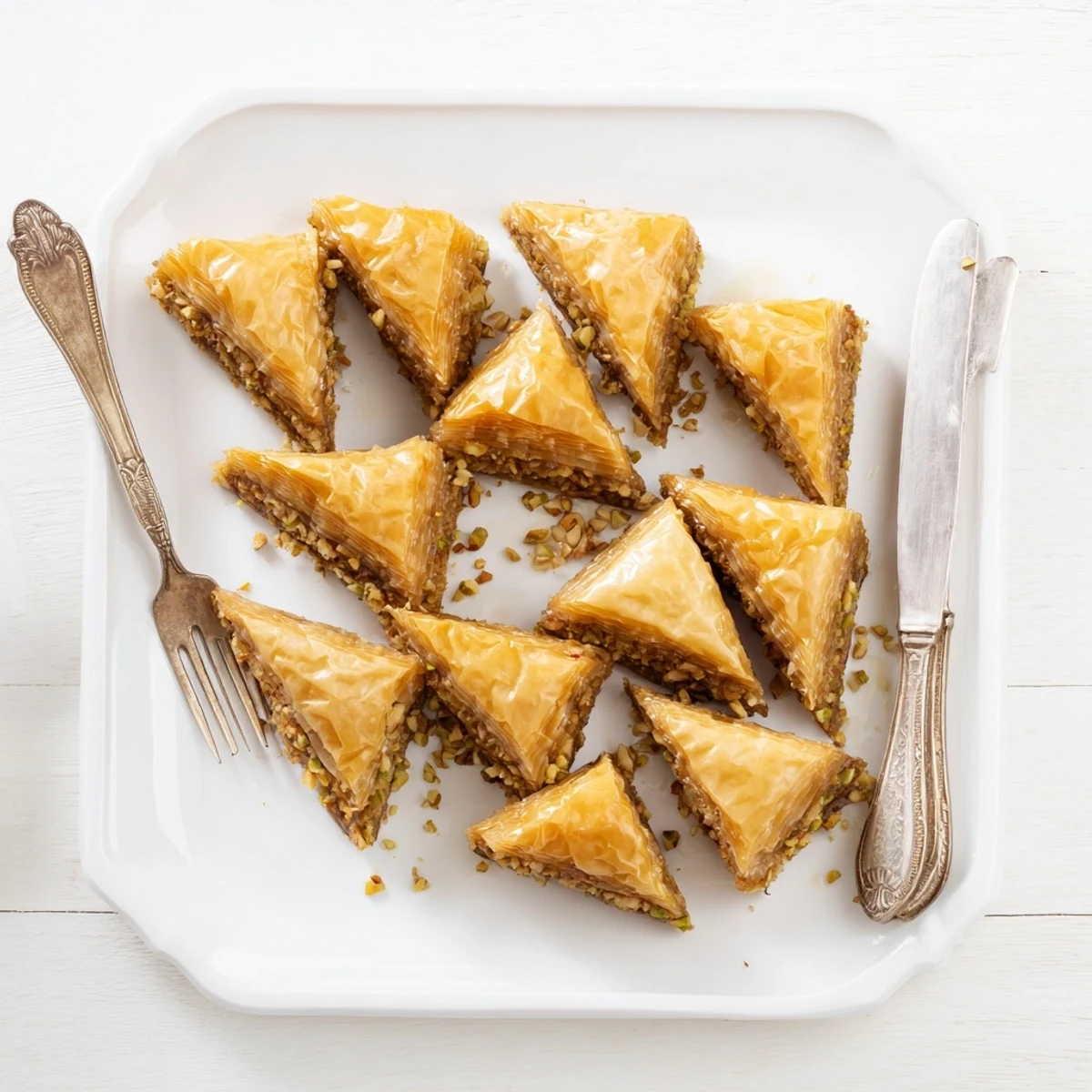
 There is something profoundly satisfying about serving a dessert that looks so impressive but comes together with just a few simple ingredients and a bit of patience. Your friends will request this again and again.
Recipe FAQs
- → How do I keep phyllo from drying out?
-
Cover unused phyllo sheets with a lightly damp kitchen towel while working. This prevents them from becoming brittle and impossible to handle. Work quickly but carefully when assembling layers.
- → Should the syrup be hot or cold when pouring?
-
Pour warm syrup over hot baklava straight from the oven. This temperature difference helps the syrup absorb evenly into the layers without making the pastry soggy. Let cool completely before serving.
- → Can I make baklava ahead of time?
-
Baklava actually improves after a day as the syrup fully penetrates the layers. Store at room temperature in an airtight container for up to 5 days. The pastry will remain crisp if properly covered.
- → What's the best way to cut baklava?
-
Use a sharp knife to cut through all layers before baking. Diamond shapes are traditional, but squares work equally well. Cutting before baking ensures clean edges and helps the syrup reach all layers.
- → Can I substitute the nuts?
-
Walnuts, pistachios, and almonds are traditional, but you can use any combination of nuts. Pecans, hazelnuts, or cashews work well. Keep the total quantity the same for proper texture.
- → Why is my baklava soggy?
-
Sogginess usually comes from pouring cold syrup onto cooled pastry or using too much syrup. Ensure syrup is warm and baklava is hot when combining. The pieces should be syrupy but not dripping wet.