
 Save to everydaypinmeals
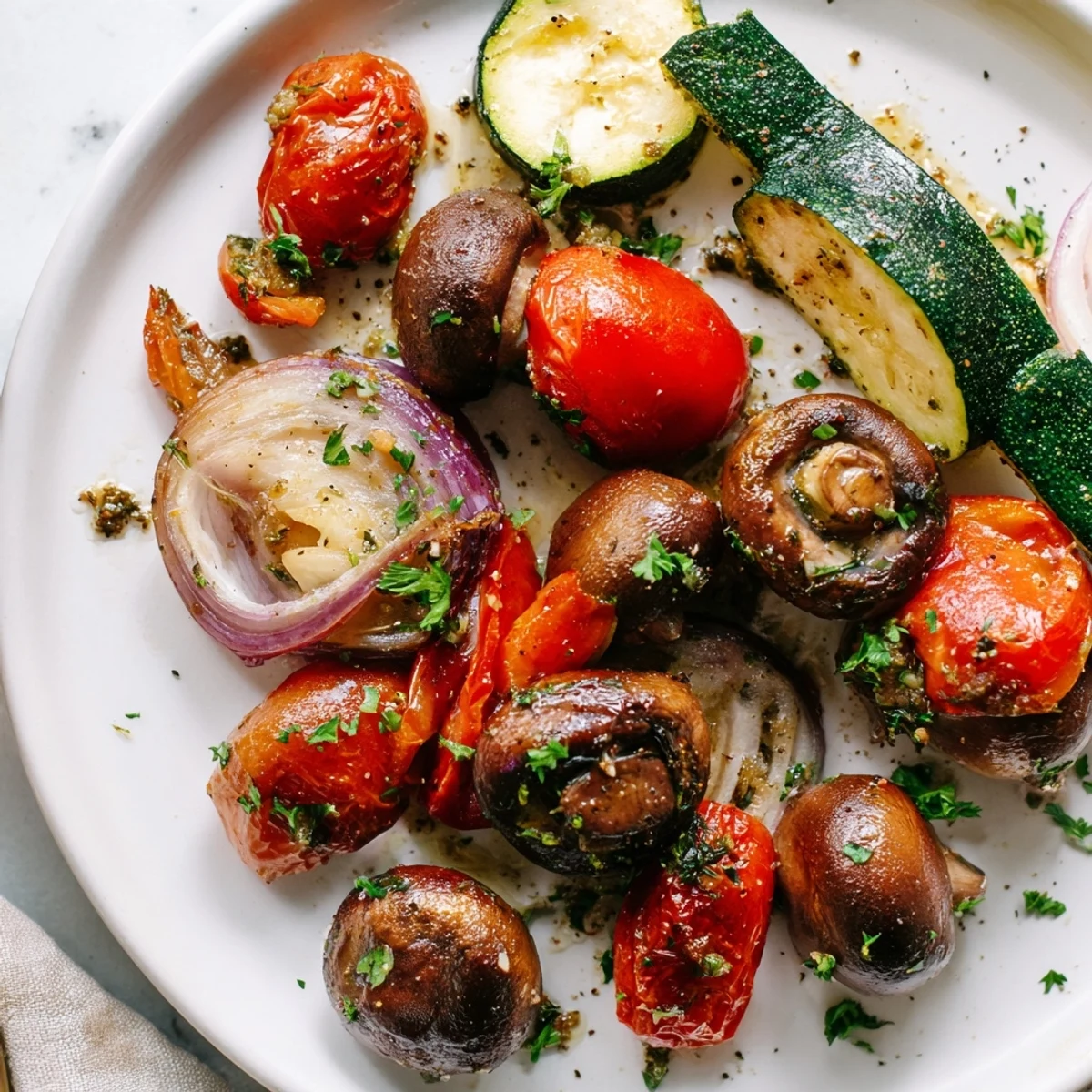
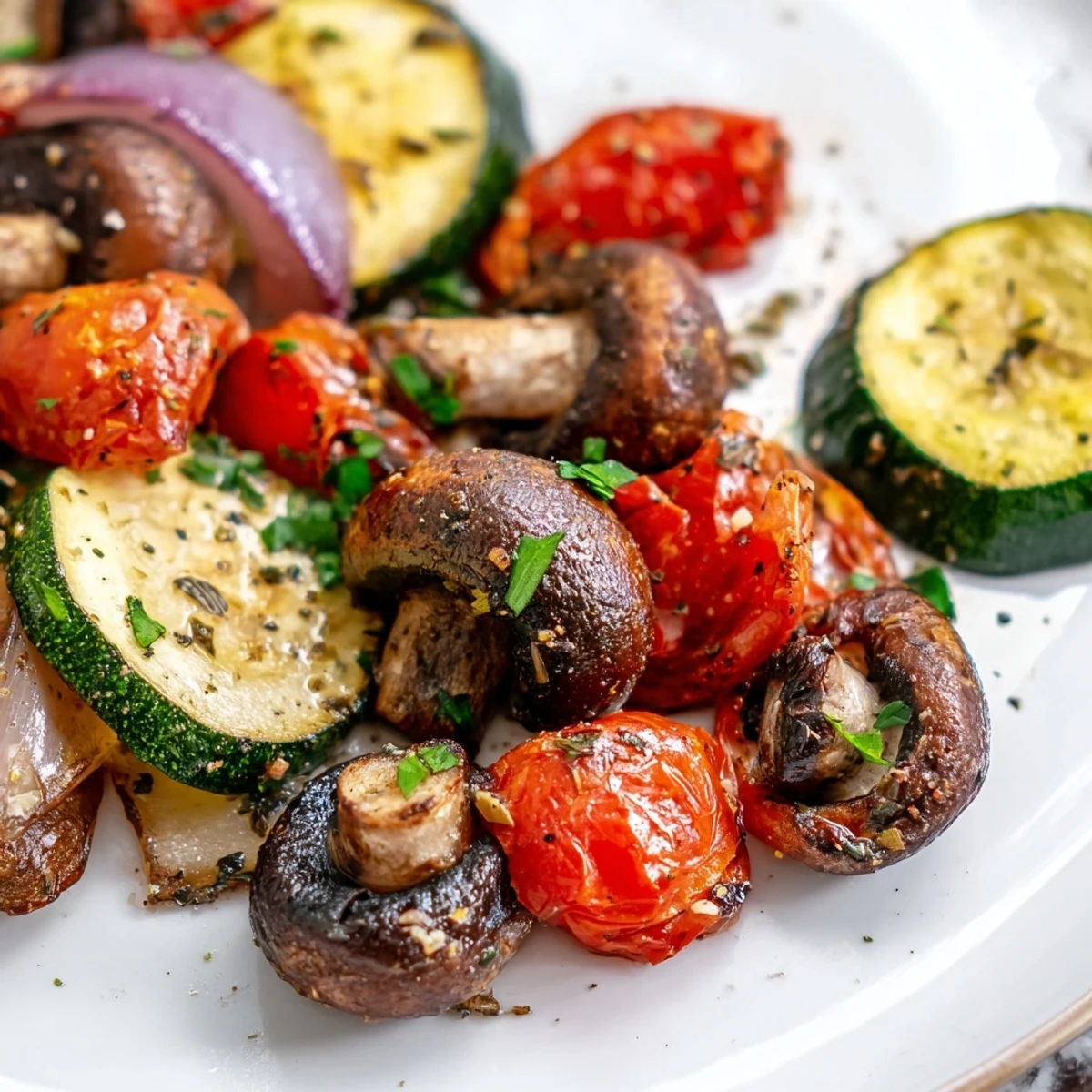
 Prepare a vibrant mix of seasonal vegetables by tossing them in olive oil, garlic, and Italian herbs. Roast at high heat until edges are caramelized and tender. This savory platter is ideal for gatherings, offering a healthy, vegan-friendly option that pairs well with wine or dipping sauces.
There's something almost magical about watching a bunch of raw vegetables transform in a hot oven—the way the edges turn golden and the whole kitchen fills with that toasted, sweet smell that makes everyone pause and ask what's cooking. I discovered the power of roasted vegetable platters by accident one afternoon when I had a handful of leftovers and a sudden dinner party to host. What emerged from the oven was so gorgeous and tasted so much better than raw crudités that I've been chasing that caramelized perfection ever since.
I'll never forget serving these roasted veggies at a potluck where I was terrified my dish would get lost among all the heavier casseroles. Instead, the platter was empty before anything else, and three people asked for the recipe—which was basically 'throw vegetables on a pan, roast them, done.' That's when I realized simplicity and good technique are sometimes all you need.
Ingredients
- Cherry tomatoes, halved: They burst slightly in the heat, turning jammy and concentrated—halve them so they cook evenly with the other vegetables.
- Red and yellow bell peppers, 1-inch pieces: Cut them uniform so nothing burns while waiting for other pieces to soften; the color stays bright and the sweetness deepens.
- Zucchini, ½-inch rounds: Thinner slices prevent them from turning mushy, keeping that tender-but-still-structured bite.
- Red onion, wedges: Don't slice these too thin or they'll dry out; wedges hold together and become caramelized and almost candy-like.
- Baby carrots, halved lengthwise: Halving them means they roast in roughly the same time as the other vegetables instead of staying tough in the middle.
- Cremini mushrooms, halved: Mushrooms release water as they cook, so don't crowd the pan—give them room to caramelize rather than steam.
- Extra virgin olive oil: Use a quality one; this is where its flavor actually shines without being cooked away completely.
- Sea salt and freshly ground black pepper: Freshly ground pepper tastes exponentially better than pre-ground, especially here where it's not cooking for hours.
- Dried Italian herbs: A mix of oregano, thyme, and basil works beautifully; fresh herbs would burn, so don't try swapping them in.
- Garlic, minced: Minced garlic toasts alongside the vegetables and becomes mellow and sweet rather than harsh and raw.
- Fresh parsley, for garnish: A shower of this at the end adds freshness and color that makes the whole dish look intentional.
- Balsamic vinegar, optional: A small drizzle at the end adds a subtle sweetness and complexity if you want it.
Instructions
- Preheat and prep your pan:
- Set your oven to 425°F and line a large baking sheet with parchment paper so cleanup is painless and nothing sticks. This temperature is hot enough to caramelize edges but not so hot that everything burns before softening.
- Combine and coat:
- Toss all your cut vegetables in a large bowl with the olive oil, salt, pepper, herbs, and minced garlic until every piece glistens. The coating should look even and generous—this is what creates the golden edges you're after.
- Arrange in a single layer:
- Spread the vegetables on your prepared baking sheet without crowding—if they overlap, they steam instead of roast. Use two pans if you need to; this one step makes the difference between limp and caramelized.
- Roast with a stir:
- Pop them in the oven for about 25 to 30 minutes, stirring halfway through so everything browns evenly. You'll know they're done when the edges are lightly charred and everything is tender when you pierce it with a fork.
- Finish and serve:
- If you're using balsamic vinegar, drizzle it over the warm vegetables and toss gently, then scatter fresh parsley on top. Serve warm or let them cool to room temperature—they're delicious either way.
 Save to everydaypinmeals
 I learned the hard way that roasted vegetables taste even better the next day when the flavors have melded and settled—so if you can resist eating them all immediately, save some for lunch. This realization made these my go-to make-ahead appetizer because I could prep everything in the morning and roast it right before guests arrived.
Customizing Your Roasted Veggies
The beauty of this recipe is how flexible it is depending on what you have in your kitchen or what's in season. Asparagus, cauliflower, Brussels sprouts, and sweet potatoes all roast beautifully on the same timeline—just cut everything to similar sizes so it cooks evenly. In summer I pile in zucchini and cherry tomatoes; in fall I swap in cubed sweet potatoes and halved Brussels sprouts; nothing changes except the vegetables themselves and how they transform.
Flavor Variations That Work
Once you nail the basic technique, you can play with seasonings and add-ins without changing the method at all. A sprinkle of smoked paprika before roasting adds a subtle smokiness; toasted pine nuts stirred in at the end bring richness and crunch; even a pinch of red pepper flakes introduces heat. I've made these same vegetables taste completely different just by swapping the herb blend or adding a squeeze of lemon juice after roasting instead of balsamic.
Serving Ideas and Pairings
These roasted vegetables work as a standalone appetizer, a side dish next to protein, or even tossed into grain bowls or salads the next day. A crisp white wine like Sauvignon Blanc or Pinot Grigio pairs beautifully, cutting through the richness of the olive oil and complementing the caramelized sweetness. Serve them with hummus, whipped feta, or a simple yogurt-based dip, or honestly, they're so good on their own that they don't need anything else.
- Make these ahead and store in an airtight container for up to 4 days; they taste just as good cold or reheated gently.
- Double the recipe for a crowd—they disappear faster than you'd expect, and leftovers are a gift to your future self.
- Try threading them on small skewers for an elegant presentation at parties.
 Save to everydaypinmeals
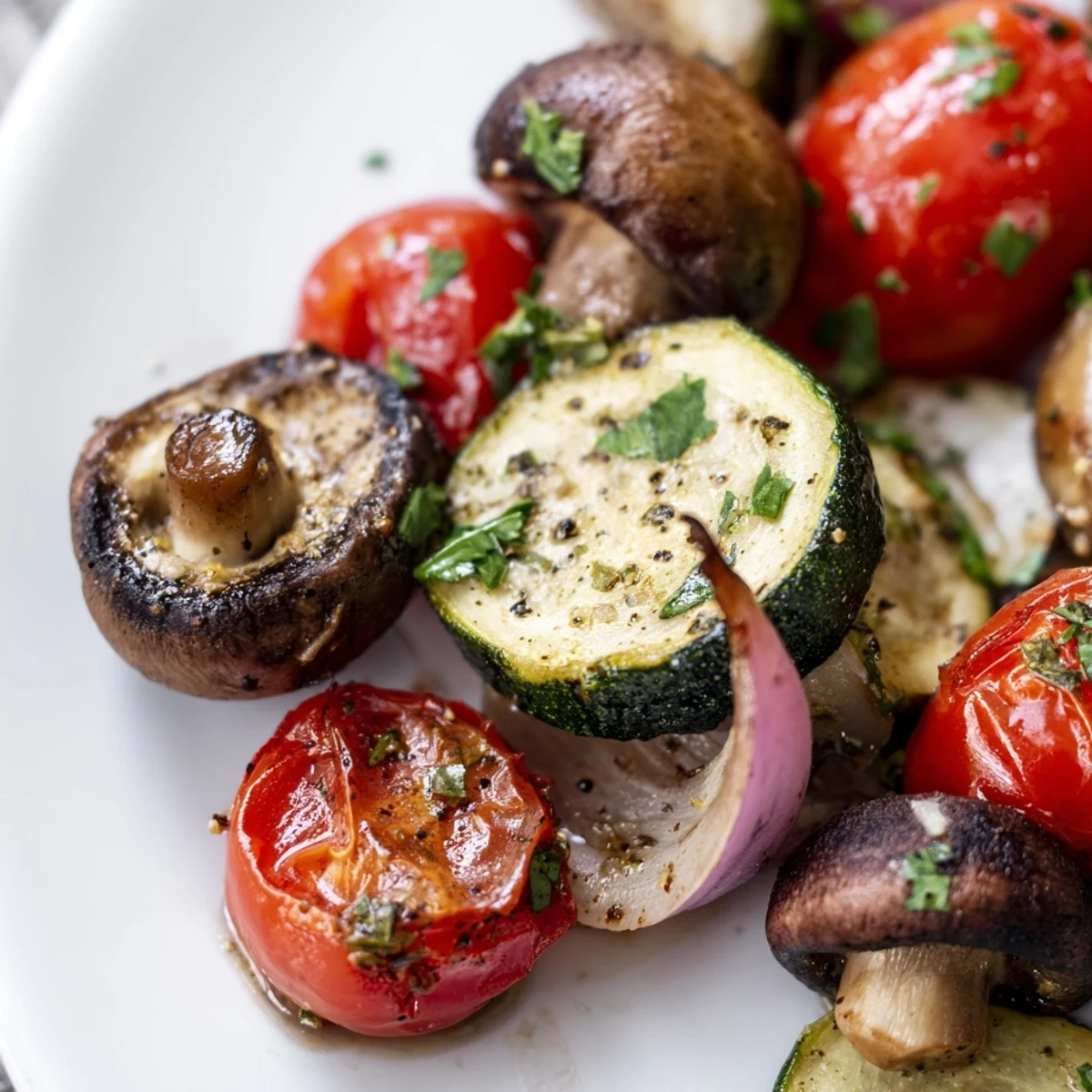
 There's something wonderfully honest about a platter of roasted vegetables—no pretense, just good ingredients and heat coaxing out their best selves. Once you master this, you'll find yourself making it constantly because it's that rare thing: simple, delicious, and always a crowd-pleaser.
Recipe FAQs
- → What is the ideal oven temperature?
-
Preheat your oven to 425°F (220°C) to ensure the vegetables roast quickly and develop a nice caramelized exterior.
- → Can I substitute the vegetables?
-
Absolutely. You can use any combination of seasonal vegetables such as asparagus, cauliflower, sweet potatoes, or Brussels sprouts.
- → Is this dish vegan friendly?
-
Yes, this dish is entirely vegan and gluten-free, relying solely on vegetables, olive oil, and herbs for flavor.
- → How long does it take to cook?
-
The total time is 45 minutes, including 15 minutes for preparation and 30 minutes for roasting in the oven.
- → What seasonings work best?
-
A mix of dried Italian herbs like oregano, thyme, and basil works well, though smoked paprika or fresh garlic adds great depth.
- → Should I serve this hot or cold?
-
These roasted veggies are delicious served warm from the oven or at room temperature, making them flexible for parties.