
 Save to everydaypinmeals
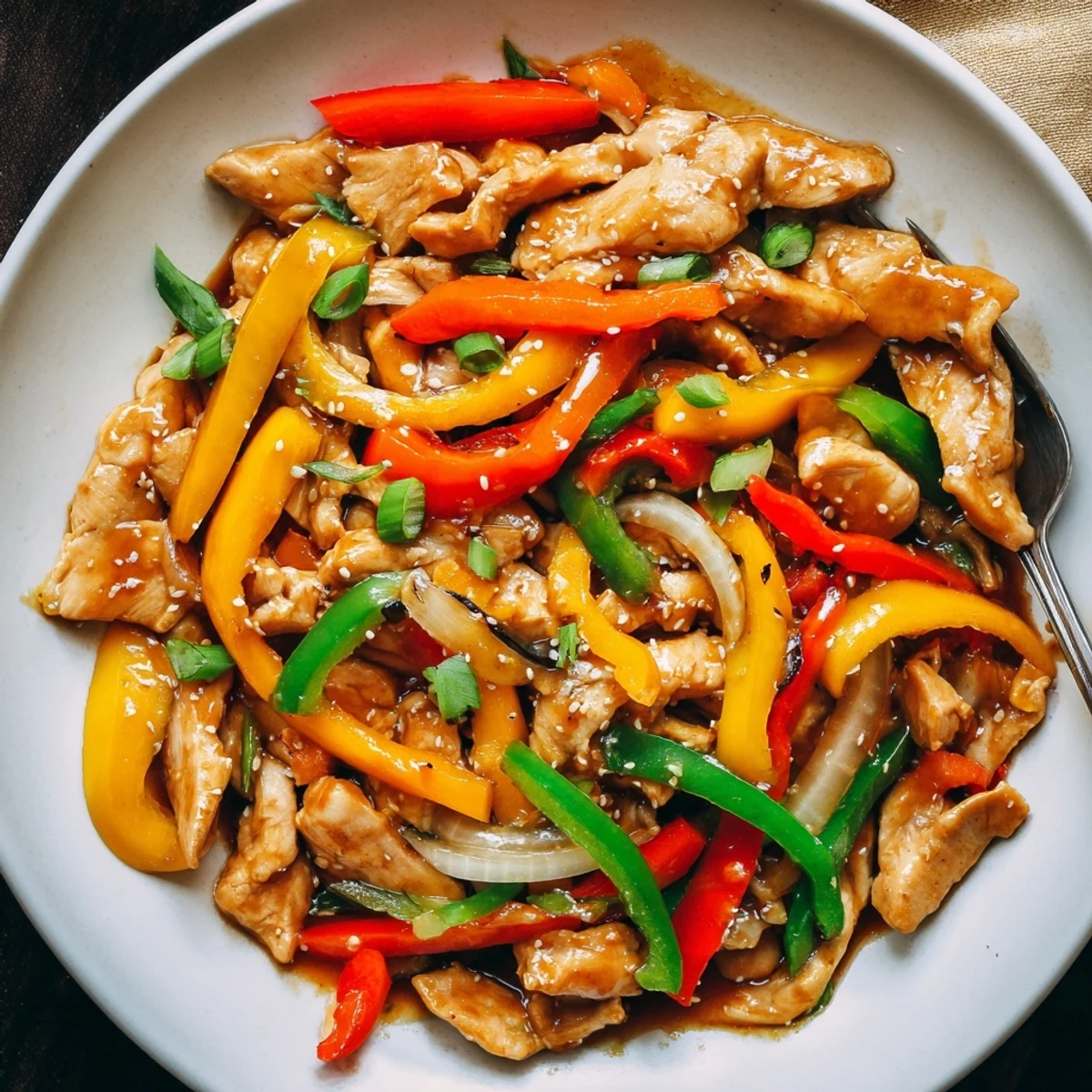
 Ready in 25 minutes, this stir fry sears thinly sliced chicken over high heat, then tosses it with crisp red, yellow and green bell peppers and a glossy blend of soy, oyster and hoisin. Cornstarch and water create a silky sauce that coats each piece. Swap peppers for broccoli or snap peas, and serve with steamed rice or noodles for a fast, balanced dinner.
The sizzle of chicken hitting a screaming hot wok is one of those sounds that instantly makes me feel like a competent cook, even on days when everything else in the kitchen goes sideways. This pepper chicken stir fry came together one Tuesday when my fridge held nothing but bell peppers and a package of chicken I had forgotten to marinate. Twenty five minutes later I was standing at the counter eating straight from the pan, telling myself I would plate it properly next time. I never do.
My neighbor once knocked on my door while I was cooking this, asking what smelled so good that it had drifted down the hallway. I invited her in and we stood in the kitchen finishing the stir fry together, laughing about how neither of us had eaten at a proper table in months. She now requests it every time she visits.
Ingredients
- 500 g boneless skinless chicken breast: Slice it thinly against the grain so every bite is tender and cooks evenly in the fast heat of the wok.
- 1 red bell pepper: Adds sweetness and that bright color that makes the dish look like you tried harder than you actually did.
- 1 yellow bell pepper: Its mild flavor balances the bolder sauce ingredients beautifully.
- 1 green bell pepper: Brings a slight bitterness that grounds all the sweetness from the other peppers.
- 1 small onion: A sliced onion adds a savory depth that you would miss if you skipped it.
- 2 garlic cloves: Mince them fine so the flavor distributes evenly without overpowering any single bite.
- 2 spring onions: Reserved for garnish, they add a fresh bite right at the end.
- 2 tbsp soy sauce: The salty backbone of the sauce, use gluten-free if that matters to you.
- 1 tbsp oyster sauce: This is the secret ingredient that gives the sauce its restaurant quality richness.
- 1 tbsp hoisin sauce: Adds a gentle sweetness and thickness that rounds everything out.
- 1 tbsp rice vinegar: A splash of acidity keeps the sauce from feeling heavy or cloying.
- 1 tsp freshly ground black pepper: Freshly cracked is non-negotiable here, pre-ground tastes flat in comparison.
- 1 tsp corn starch: Dissolves into the sauce and creates that silky coating when it hits the hot wok.
- 60 ml water: Thins the sauce just enough so it can bubble and reduce to the right consistency.
- 1 tbsp sesame oil: Added to the wok for vegetables, it brings a toasty aroma that vegetable oil alone cannot provide.
- 1 tbsp vegetable oil: Used for searing the chicken at high heat without burning.
Instructions
- Whisk the sauce together:
- In a small bowl, combine soy sauce, oyster sauce, hoisin sauce, rice vinegar, black pepper, corn starch, and water. Stir until the corn starch is fully dissolved and the mixture looks smooth, then set it aside on your counter.
- Get the wok screaming hot:
- Heat the vegetable oil in a large wok or skillet over high heat until you see the first wisps of smoke. A hot pan is the difference between seared chicken and steamed chicken.
- Cook the chicken:
- Add the sliced chicken in a single layer and let it sit undisturbed for a minute before stirring. Stir fry for 3 to 4 minutes until golden and just cooked through, then remove it to a plate.
- Toss the vegetables:
- Drizzle sesame oil into the same wok and add the onion and all three bell peppers. Stir fry for 2 to 3 minutes until they are tender but still have some crunch, then toss in the garlic for 30 seconds until fragrant.
- Bring it all together:
- Slide the chicken back into the wok and pour the sauce over everything. Toss vigorously for 2 to 3 minutes as the sauce bubbles and thickens into a glossy glaze that coats every piece.
- Finish and serve:
- Scatter sliced spring onions across the top and serve immediately over steamed rice or noodles while everything is still piping hot.
 Save to everydaypinmeals
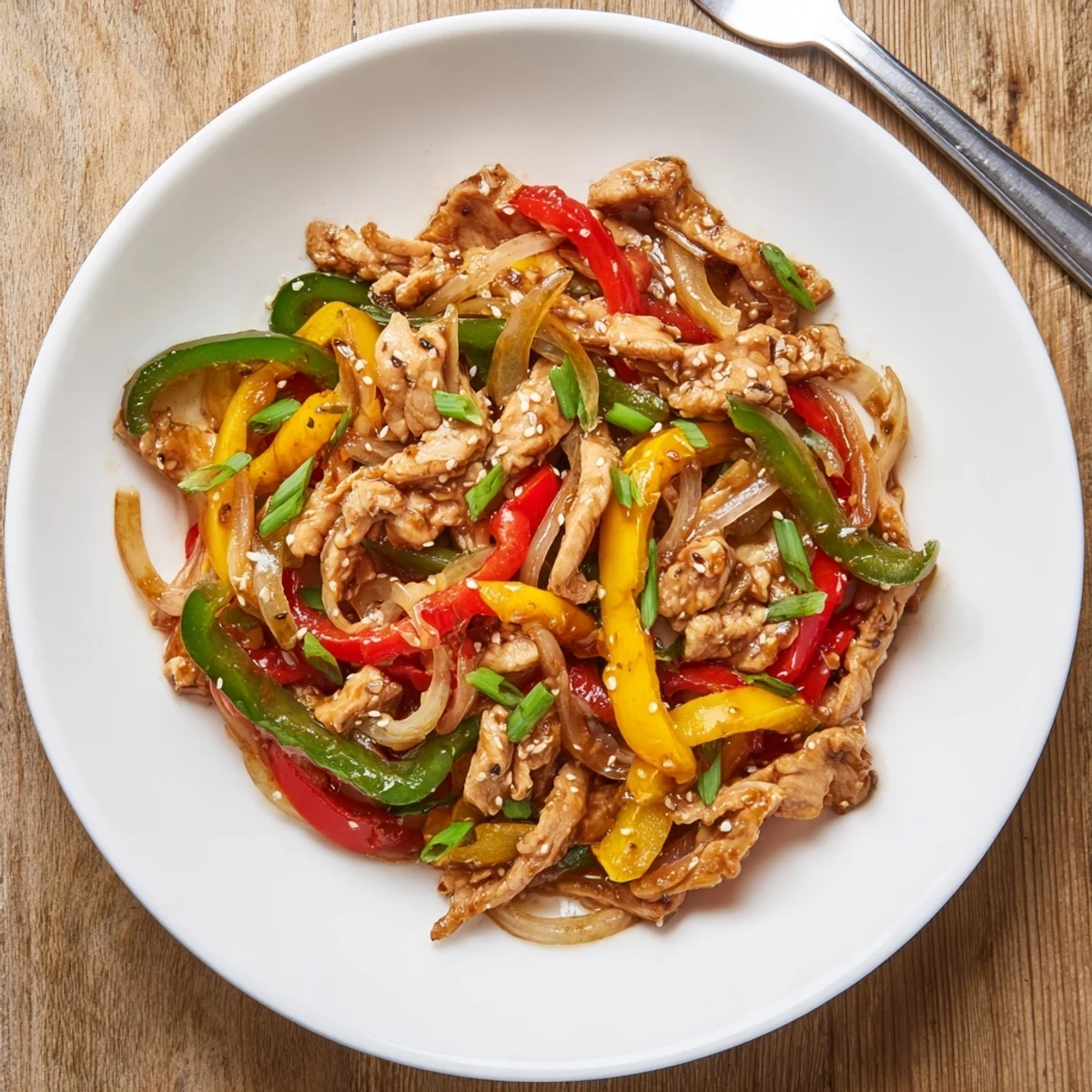
 Somewhere between the sizzle and the first bite, this dish stopped being just a weeknight shortcut and became the meal I make when someone needs feeding without fuss.
Wok Wisdom from Many Mistakes
I spent years using a nonstick skillet for stir fries and wondering why the results never matched what I ate in restaurants. Switching to a carbon steel wok changed everything because it holds heat in a way that nonstick simply cannot. The vegetables blister and char slightly at the edges, which adds a smoky flavor that no sauce ingredient can replicate. If you do not own a wok, a large cast iron skillet works nearly as well.
Switching Things Up
The beauty of a stir fry is its forgiving nature when it comes to vegetables. I have thrown in snap peas, broccoli florets, and julienned carrots depending on what was wilting in my crisper drawer, and every version turned out delicious. A pinch of chili flakes transforms the whole dish into something bolder if you are cooking for someone who likes heat. The sauce formula stays the same no matter what you swap in.
Serving It Right
Jasmine rice is my default pairing because its floral aroma complements the savory sauce without competing with it. Brown rice works too if you prefer a nuttier chew, and rice noodles soak up the sauce beautifully for a different texture altogether.
- Make extra sauce if you like things saucy, just increase everything by half.
- Prep all your ingredients before you turn on the stove because once things start moving, they move fast.
- Leftovers reheat surprisingly well the next day in a hot skillet with a splash of water.
 Save to everydaypinmeals
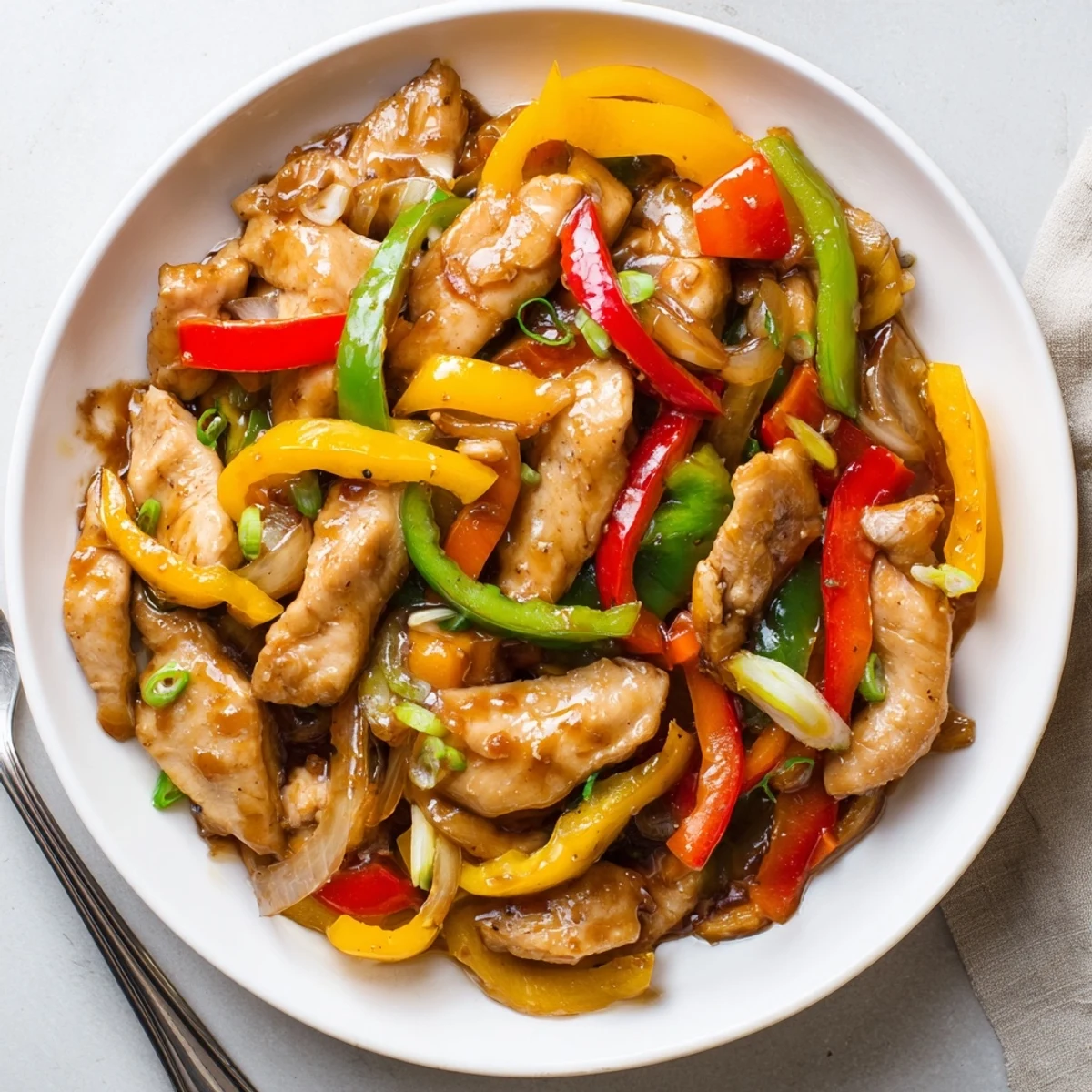
 Keep this recipe in your back pocket for the nights when cooking feels like a chore but you still want something real on your plate. It will not let you down.
Recipe FAQs
- → How do I prevent the chicken from drying out?
-
Slice the chicken thin and cook over high heat only until just cooked through, about 3–4 minutes. Resting the cooked chicken briefly off the heat keeps it tender before returning to the pan to finish with the sauce.
- → How can I thicken the sauce evenly?
-
Whisk corn starch with cold water before adding to the sauce; pour it in while stirring and simmer 1–2 minutes until glossy. Make sure the sauce reaches a gentle boil for the starch to fully activate.
- → What are good vegetable substitutions?
-
Swap bell peppers for snap peas, broccoli florets, sliced carrots, or baby corn. Choose vegetables that tolerate quick, high-heat cooking so they stay crisp-tender.
- → How can I make this gluten-free?
-
Use gluten-free soy sauce or tamari and check that the hoisin and oyster sauces are labeled gluten-free or replace them with gluten-free alternatives like a mix of tamari and a touch of sweet chili paste.
- → Can I add heat without altering the flavor balance?
-
Add a pinch of chili flakes or a drizzle of chili oil when stir-frying the garlic, or finish with sriracha to taste. Start small and adjust after tasting the finished dish.
- → What's the best way to reheat leftovers?
-
Reheat gently in a skillet over medium heat with a splash of water or a little oil to loosen the sauce. Avoid microwaving for long periods to prevent the chicken from becoming tough.