
 Save to everydaypinmeals
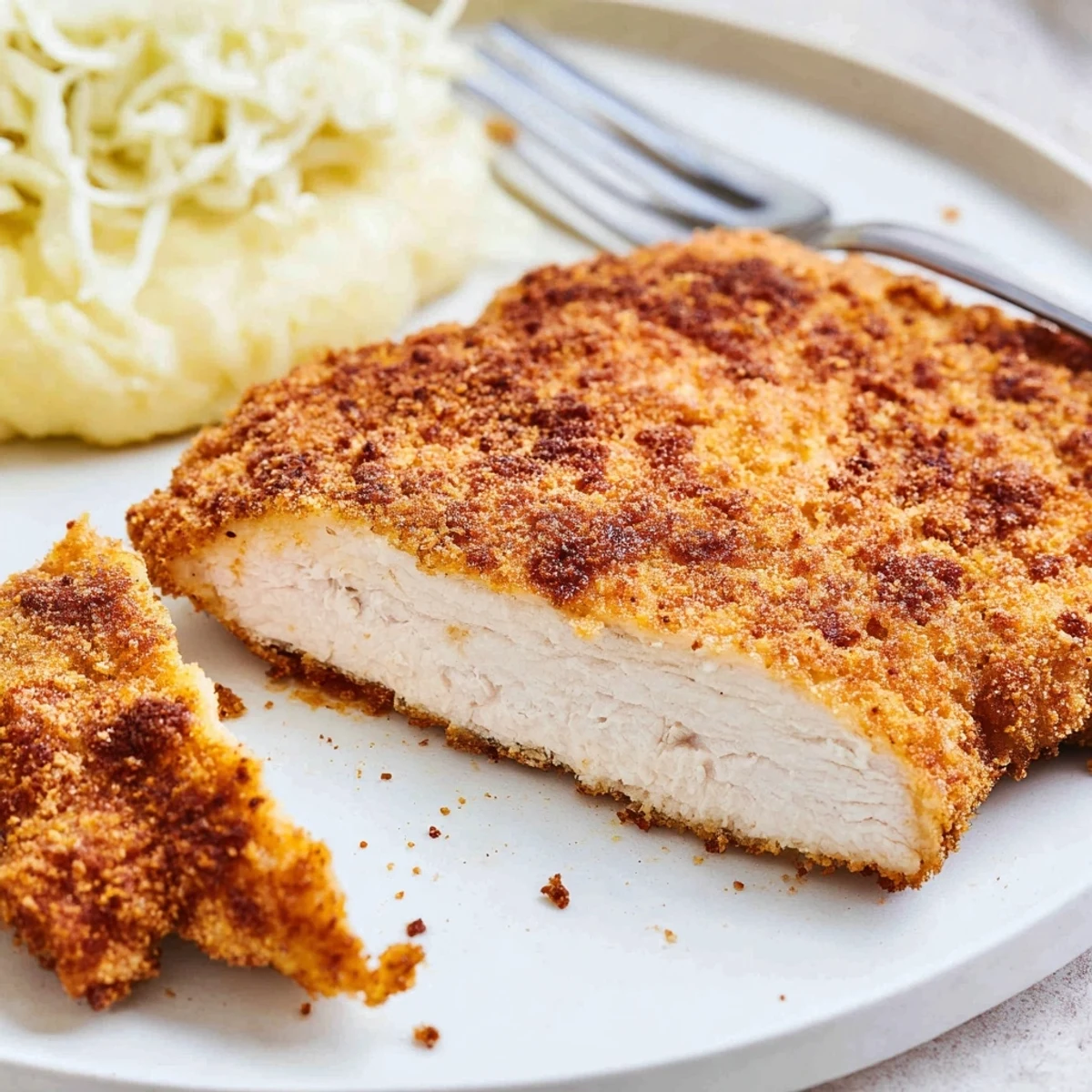
 Marinate boneless, skinless chicken breasts in buttermilk with salt and pepper to tenderize. Pound to an even 1/2-inch thickness, then dredge in a mix of all-purpose flour, cornstarch, paprika, garlic powder and cayenne. Heat oil to 350°F (175°C) and fry in batches until golden and the interior reaches 165°F (74°C). Rest briefly before serving to keep juices locked in.
The sizzle of chicken hitting hot oil is a sound I associate with Sunday evenings at my grandmothers house, where the kitchen windows would fog up and the whole place smelled like paprika and comfort. She never measured anything, just dipped and dredged by feel, and somehow every piece came out perfectly golden. Years later, after many failed attempts at recreating her magic, I finally cracked the code with a simple buttermilk soak and a cornstarch boosted flour coating. This recipe is the result of that stubborn pursuit, and it delivers that same crunchy, juicy satisfaction every single time.
One rainy Tuesday I decided to test this recipe for a neighbor who had just had surgery and could barely stand at the stove. I knocked on her door with a plate of still warm chicken, a container of mashed potatoes, and some coleslaw from the deli. She called me that night to say it was the best fried chicken she had ever tasted, and I could hear her smiling through the phone.
Ingredients
- 4 boneless skinless chicken breasts: Pound them evenly so they cook uniformly and nothing dries out while you wait for thicker parts to finish.
- 1 cup buttermilk: The secret weapon that tenderizes and adds tang, and if you cannot find any, a splash of vinegar in regular milk works in a pinch.
- 1 teaspoon salt plus 1/2 teaspoon black pepper for brine: Season the marinade generously because this is where the flavor begins.
- 1 cup all-purpose flour: The backbone of the coating, providing structure and that classic bready crunch.
- 1/2 cup cornstarch: This is the real game changer, making the crust lighter and crispier than flour alone ever could.
- 1 teaspoon paprika: Adds a warm color and a gentle smokiness that rounds everything out beautifully.
- 1 teaspoon garlic powder: Because garlic makes everything better, especially something headed for a hot pan of oil.
- 1/2 teaspoon cayenne pepper (optional): A quiet heat that builds in the background without overwhelming anyone at the table.
- 1 teaspoon salt plus 1/2 teaspoon ground black pepper for coating: Do not skimp here, as the crust needs its own seasoning to shine.
- Vegetable oil for frying (about 2 cups): Use a neutral oil with a high smoke point, and make sure there is enough to come halfway up the chicken.
Instructions
- Pound and prepare the chicken:
- Slide each breast between two sheets of plastic wrap and give it firm, even whacks with a mallet or rolling pin until everything is about half an inch thick. You will hear a satisfying thud when it is right, and the even thickness means no more dried edges with raw centers.
- Make the buttermilk bath:
- Whisk the buttermilk with a teaspoon of salt and half a teaspoon of pepper in a bowl big enough to hold all four breasts. Drop the chicken in, turn to coat, and let it soak for at least thirty minutes, though overnight in the fridge is even better if you can plan ahead.
- Mix the coating:
- In a wide shallow bowl or a deep plate, combine the flour, cornstarch, paprika, garlic powder, cayenne if you are using it, and the remaining salt and pepper. Whisk it together until the color is even, which tells you the spices are well distributed.
- Dredge with intention:
- Lift each breast from the buttermilk, let the excess drip off for a second, then press it firmly into the flour mixture on both sides. Really press the coating into the meat with your palms so it grabs hold and creates those irresistible craggy bits.
- Heat the oil:
- Pour about two cups of oil into a large skillet or deep pan and set it over medium heat until it reaches 350 degrees Fahrenheit. A thermometer helps here, but if you do not have one, sprinkle a tiny pinch of flour in and it should sizzle immediately without smoking.
- Fry to golden perfection:
- Lower the chicken in carefully, working in batches so the pan never gets crowded, and fry for about six or seven minutes per side until the crust is deeply golden and the internal temperature hits 165 degrees Fahrenheit. You will know it is close when the bubbling around the edges slows down and the aroma becomes irresistible.
- Rest and serve:
- Transfer the chicken to a plate lined with paper towels and let it sit for two or three minutes before cutting. This short rest lets the juices redistribute so they do not run out the moment you slice in.
 Save to everydaypinmeals
 There is something about a plate of fried chicken that turns an ordinary meal into a small celebration, even if it is just a random Wednesday and you are eating standing over the kitchen sink.
Getting the Crust Right Every Time
The biggest lesson I learned was that wet hands and dry coating do not mix well. Keep one hand for the buttermilk and one for the flour, or use tongs, because once your fingers get coated in pasty batter everything becomes a slippery mess. Also, letting the dredged chicken sit for five minutes on a wire rack before frying helps the coating adhere so it does not flake off in the pan.
What to Serve Alongside
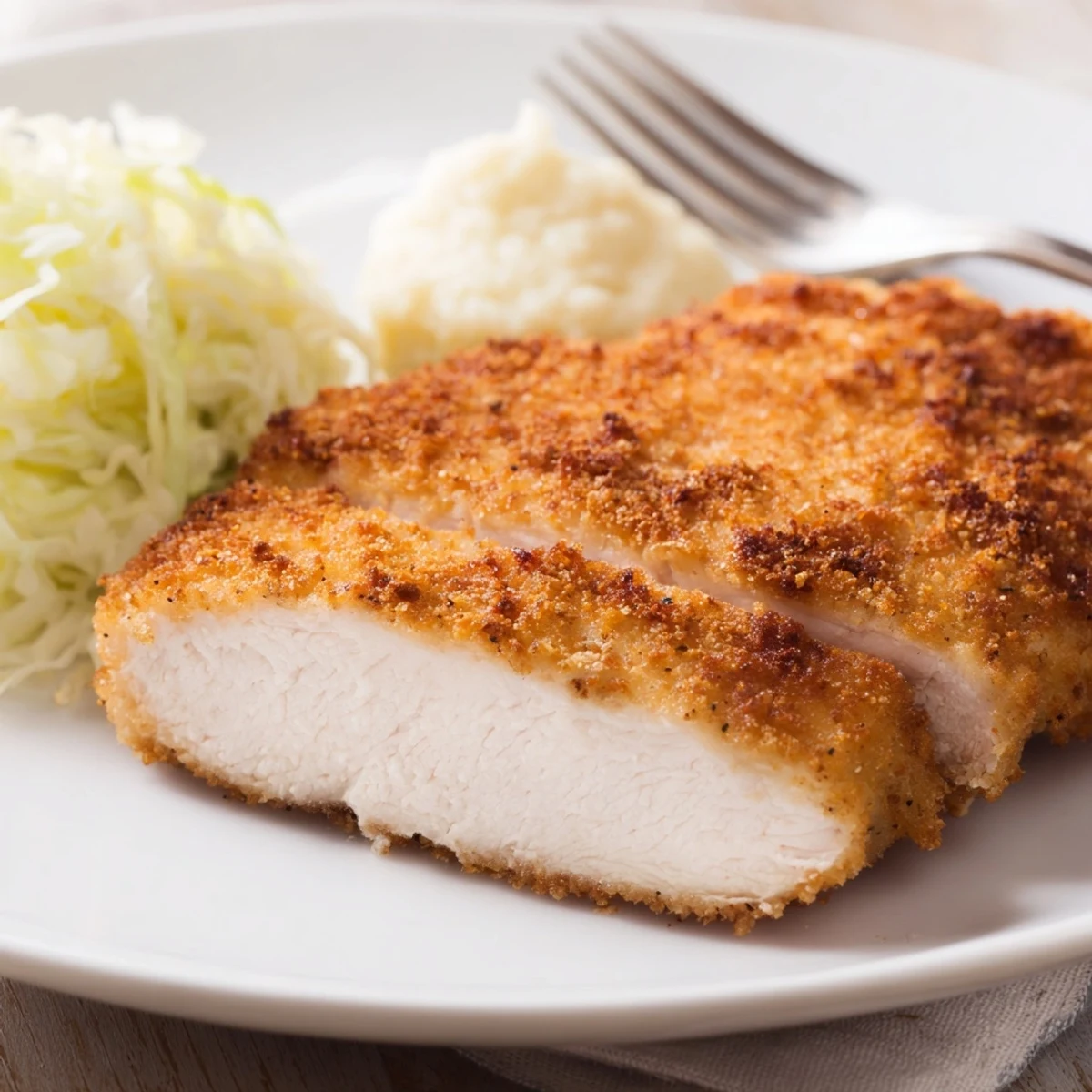
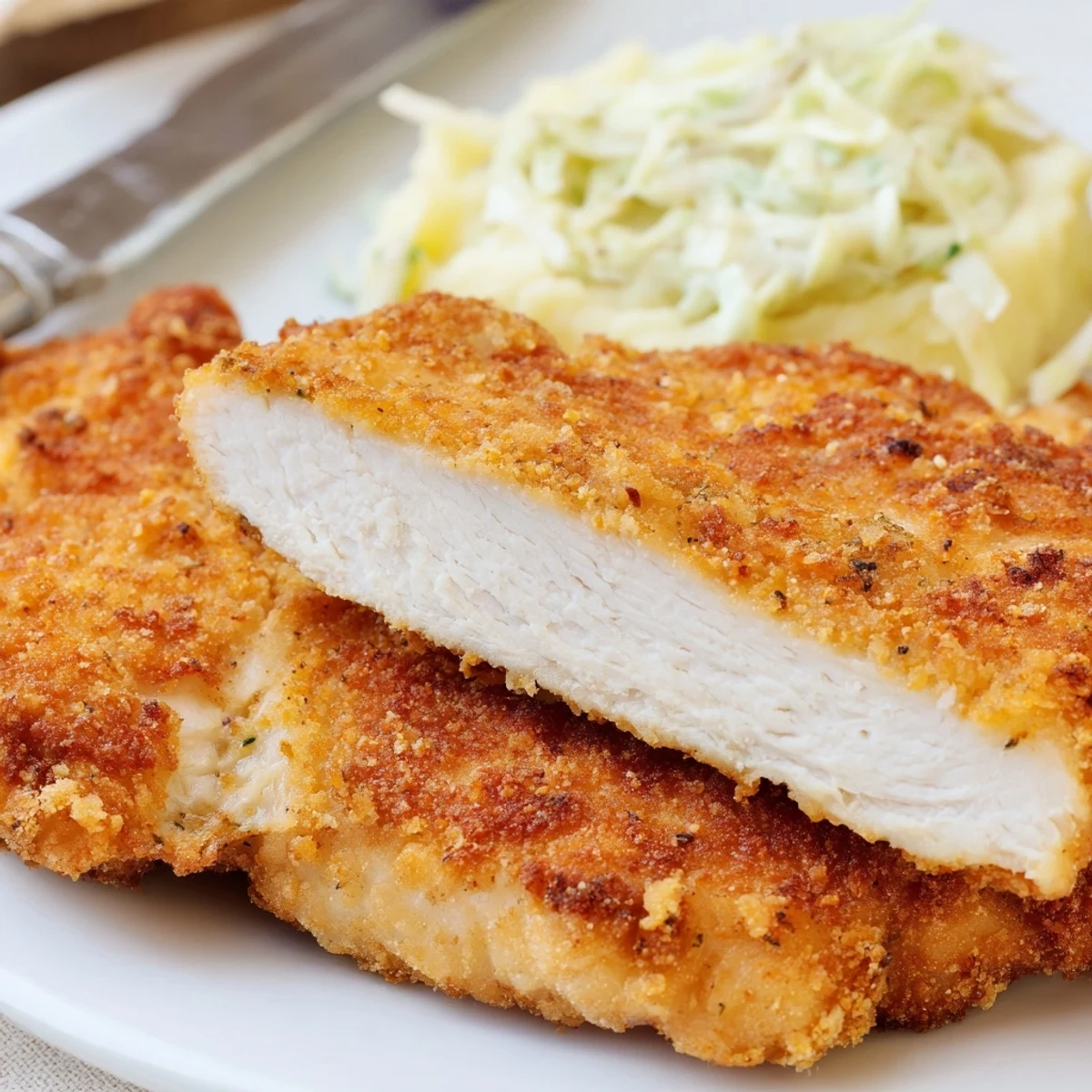
This chicken plays well with almost anything, but my personal favorite is a pile of buttery mashed potatoes with a spoonful of the pan drippings drizzled on top. Coleslaw adds a cool crunch that balances the richness, and a simple biscuit turns the whole plate into something that feels southern and complete. Sandwich it between a soft roll with pickles and hot sauce and you have lunch sorted for the next day too.
Storage and Reheating Advice
Leftover fried chicken keeps in the fridge for up to three days and actually makes an incredible cold sandwich the next morning if you are the type who raids the refrigerator before coffee. For reheating, skip the microwave entirely and use a wire rack set over a baking sheet in a 375 degree Fahrenheit oven for about ten minutes.
- Never store fried chicken in a sealed container while it is still warm or condensation will destroy the crust.
- A light spritz of oil before reheating in the oven helps revive some of the original crunch.
- Freezing works for up to two months if you wrap each piece individually in foil before bagging.
 Save to everydaypinmeals
 Fried chicken is never just dinner, it is an act of care wrapped in a golden shell. Make it for someone you love and watch them go quiet after the first bite.
Recipe FAQs
- → How long should I marinate the chicken?
-
At least 30 minutes for basic tenderness; for best results marinate 2–4 hours or overnight in the refrigerator to deepen flavor and juiciness.
- → What keeps the coating extra crispy?
-
Adding cornstarch to the flour mix and pressing the coating to adhere creates a crisp, light crust. Frying at a steady 350°F (175°C) prevents sogginess.
- → Can I make this gluten-free?
-
Yes. Swap the all-purpose flour for a 1:1 gluten-free flour blend that contains xanthan gum, or use rice flour with cornstarch for a crisp finish.
- → How do I know when the chicken is done?
-
Use a kitchen thermometer: the internal temperature should reach 165°F (74°C). The exterior will be golden brown and juices should run clear.
- → How can I add more heat?
-
Increase the cayenne in the coating, add smoked paprika, or toss the finished pieces in a spicy butter or hot sauce for an extra kick.
- → Best way to reheat leftovers?
-
Reheat in a 350°F oven on a wire rack for 10–12 minutes to restore crispness, or briefly fry in hot oil until heated through.