
 Save to everydaypinmeals
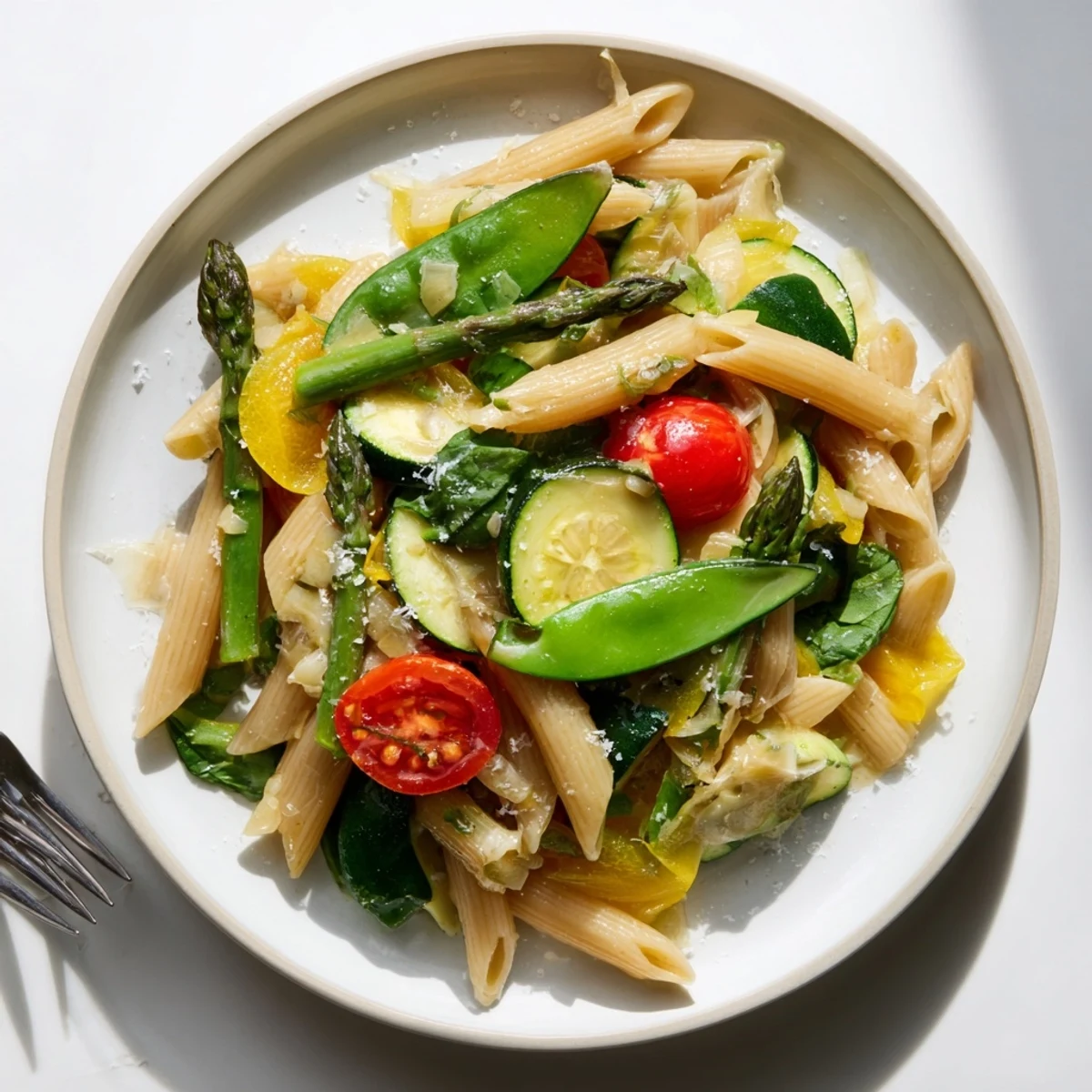
 This vibrant one-pot pasta brings together tender spring vegetables like asparagus, sugar snap peas, zucchini, and cherry tomatoes in a savory vegetable broth. The pasta cooks directly in the liquid, absorbing all the fresh flavors while creating a naturally creamy sauce. Ready in just 35 minutes, this vegetarian main dish requires minimal cleanup and delivers restaurant-quality results with simple ingredients. Perfect for busy weeknights when you want something nourishing and delicious without the fuss.
The first time I made this one-pot pasta, I was pressed for time on a Tuesday evening and didn't want to dirty multiple pans. I threw everything into my largest Dutch oven with some skepticism, but twenty minutes later, I was watching the pasta transform into this creamy, vibrant dish that tasted like spring had exploded in my kitchen. My roommate wandered in, drawn by the smell of garlic and lemon, and we ended up eating straight from the pot while standing at the counter. Now it's my go-to when I want something that feels fancy but requires zero effort.
Last spring, I hosted an impromptu dinner for friends who had just returned from a trip abroad. I had almost nothing in the fridge except some wilting asparagus and a lonely zucchini, but this pasta saved the evening. My friend Sarah, who claims she can't cook anything beyond toast, asked for the recipe immediately and texted me the next day saying she'd made it three times in one week.
Ingredients
- Penne or fusilli pasta: Short pasta shapes catch the vegetables and sauce perfectly in every bite
- Low-sodium vegetable broth: Since the pasta absorbs all the liquid, regular broth might make the final dish too salty
- Asparagus and snap peas: These maintain a lovely crunch even after cooking in the liquid
- Zucchini: Slice it thinly so it softens along with the pasta
- Baby spinach and cherry tomatoes: Add these at the very end so they stay bright and fresh
- Leek: Provides a milder, sweeter onion flavor that won't overpower the delicate vegetables
- Lemon zest and juice: The acid cuts through the starch and makes the whole dish sing
- Fresh basil or parsley: Don't skip this garnish, it adds the final punch of brightness
Instructions
- Build the flavor base:
- Warm the olive oil in your largest skillet or Dutch oven, then sauté the sliced leek and minced garlic until they're soft and fragrant, about two minutes
- Start the pasta:
- Add the dry pasta directly to the pan along with the vegetable broth and water, then bring everything to a rolling boil
- Simmer and absorb:
- Reduce the heat and let the pasta cook undisturbed for about eight minutes, stirring occasionally to prevent sticking, as the starches start thickening the liquid
- Add the hearty vegetables:
- Toss in the asparagus, snap peas, and zucchini, then continue cooking for another seven minutes until the pasta is tender and most of the liquid has been absorbed
- Finish with the delicate vegetables:
- Stir in the spinach, cherry tomatoes, lemon zest, lemon juice, and Parmesan, cooking just two more minutes until the spinach wilts and everything is heated through
- Season and serve:
- Taste and add salt and pepper as needed, then sprinkle generously with fresh herbs and extra Parmesan before serving hot
 Save to everydaypinmeals
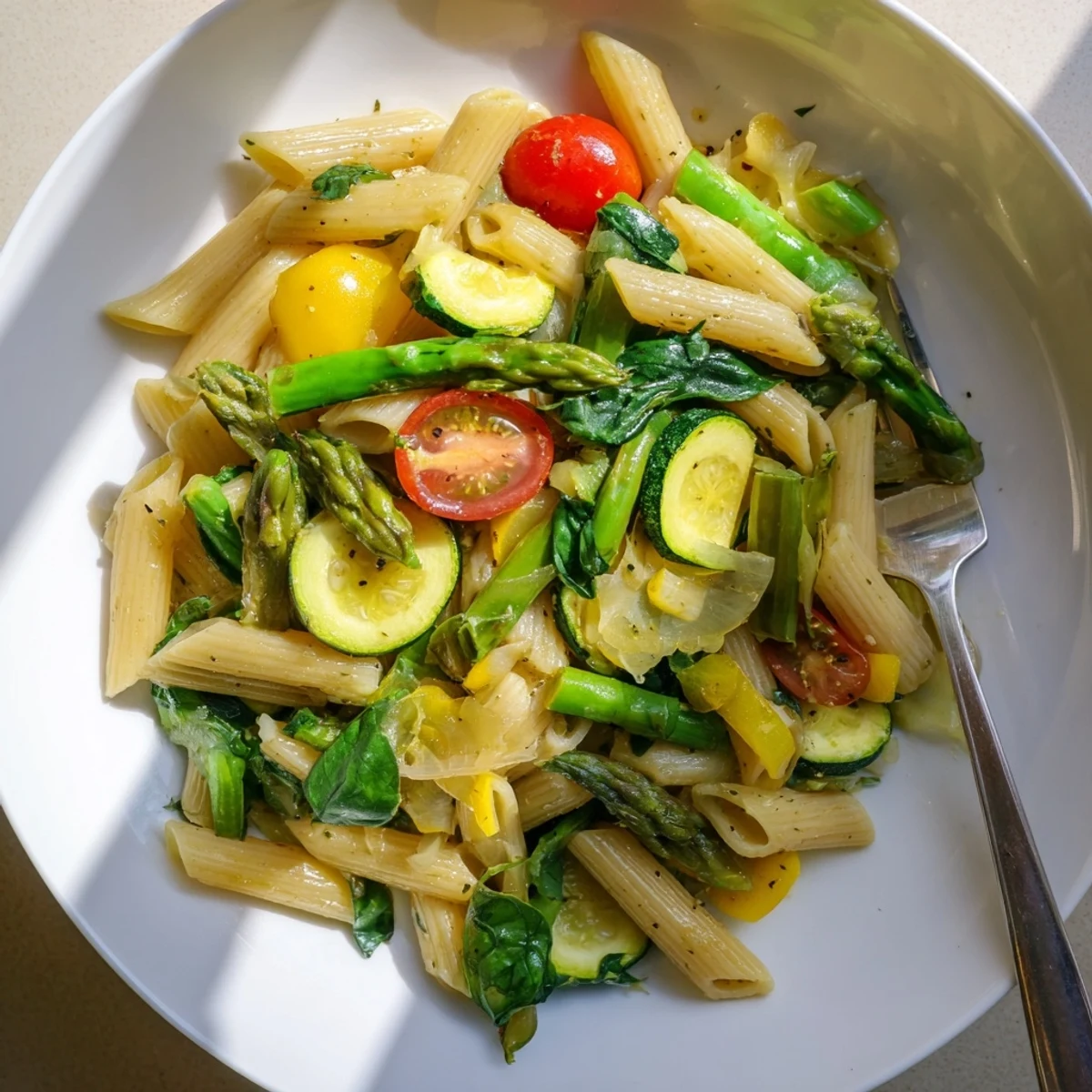
 This recipe became a staple during my first summer in a new apartment when my kitchen was tiny and I had zero motivation for elaborate cooking. There was something magical about watching all those colors come together in one pot, and even more magical about how a dish this simple could make me feel like I had my life together.
Choosing Your Spring Vegetables
I've learned that the key is adding vegetables in stages based on their cooking time. Anything delicate like peas or green beans should go in with the asparagus, while quick-wilting greens like spinach or arugula need only the final minute. Frozen peas work beautifully here, and I always keep a bag in the freezer for nights when I can't get to the market.
Making It Your Own
Sometimes I'll add a handful of frozen peas or some fresh fava beans if I find them at the farmers market. A pinch of red pepper flakes gives it warmth, and during winter I've made successful versions with butternut squash and kale. The technique stays the same regardless of what vegetables you choose.
Serving Suggestions
This pasta is substantial enough to stand alone as a main course, but a simple green salad with a vinaigrette alongside is never a bad idea. A crisp white wine like Sauvignon Blanc cuts through the richness and complements the spring vegetables perfectly.
- Toast some extra bread to soak up any remaining sauce in the bowl
- Keep extra lemon wedges on the table for those who love an extra hit of acid
- Leftovers reheat beautifully with just a splash of water to loosen things up
 Save to everydaypinmeals
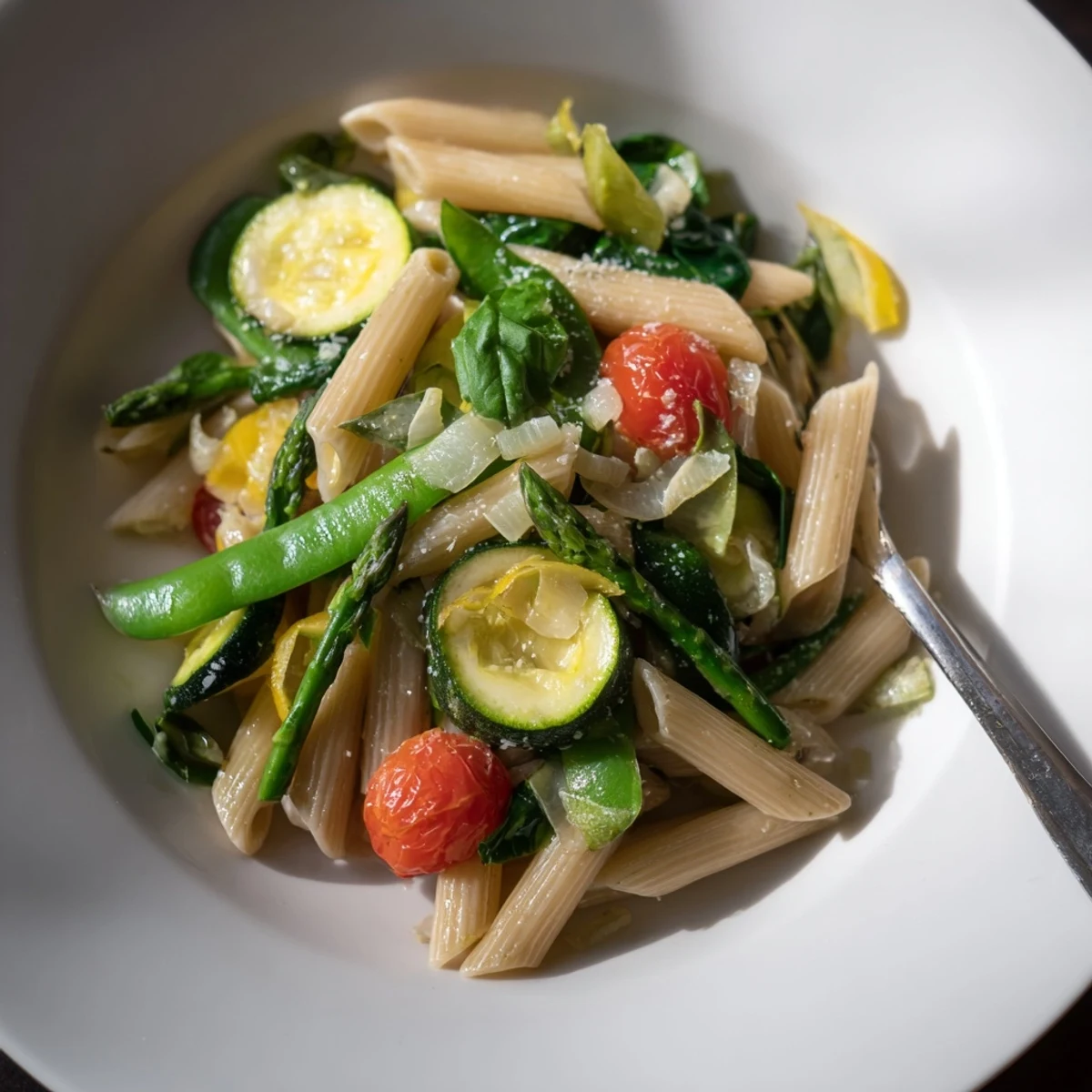
 Somehow a dish that comes together in thirty minutes manages to feel like a proper celebration of the season, and isn't that exactly what we need from our weeknight cooking?
Recipe FAQs
- → Can I use different pasta shapes?
-
Yes, penne, fusilli, rigatoni, or even short spaghetti work well. Choose shapes that catch the sauce and vegetables.
- → What other spring vegetables can I add?
-
Fava beans, fresh peas, green beans, or artichoke hearts make excellent additions. Use whatever looks fresh at the market.
- → Can I make this vegan?
-
Simply omit the Parmesan cheese or replace with nutritional yeast or a plant-based cheese alternative. The dish remains creamy and flavorful.
- → Why cook pasta directly in the broth?
-
Cooking pasta in the broth releases starch into the liquid, creating a naturally thick and creamy sauce that clings to the vegetables.
- → How do I store leftovers?
-
Store in an airtight container in the refrigerator for up to 3 days. Reheat with a splash of water or broth to loosen the sauce.
- → Can I freeze this dish?
-
Freezing is not recommended as the pasta texture may become mushy. This dish tastes best when freshly made.