
 Save to everydaypinmeals
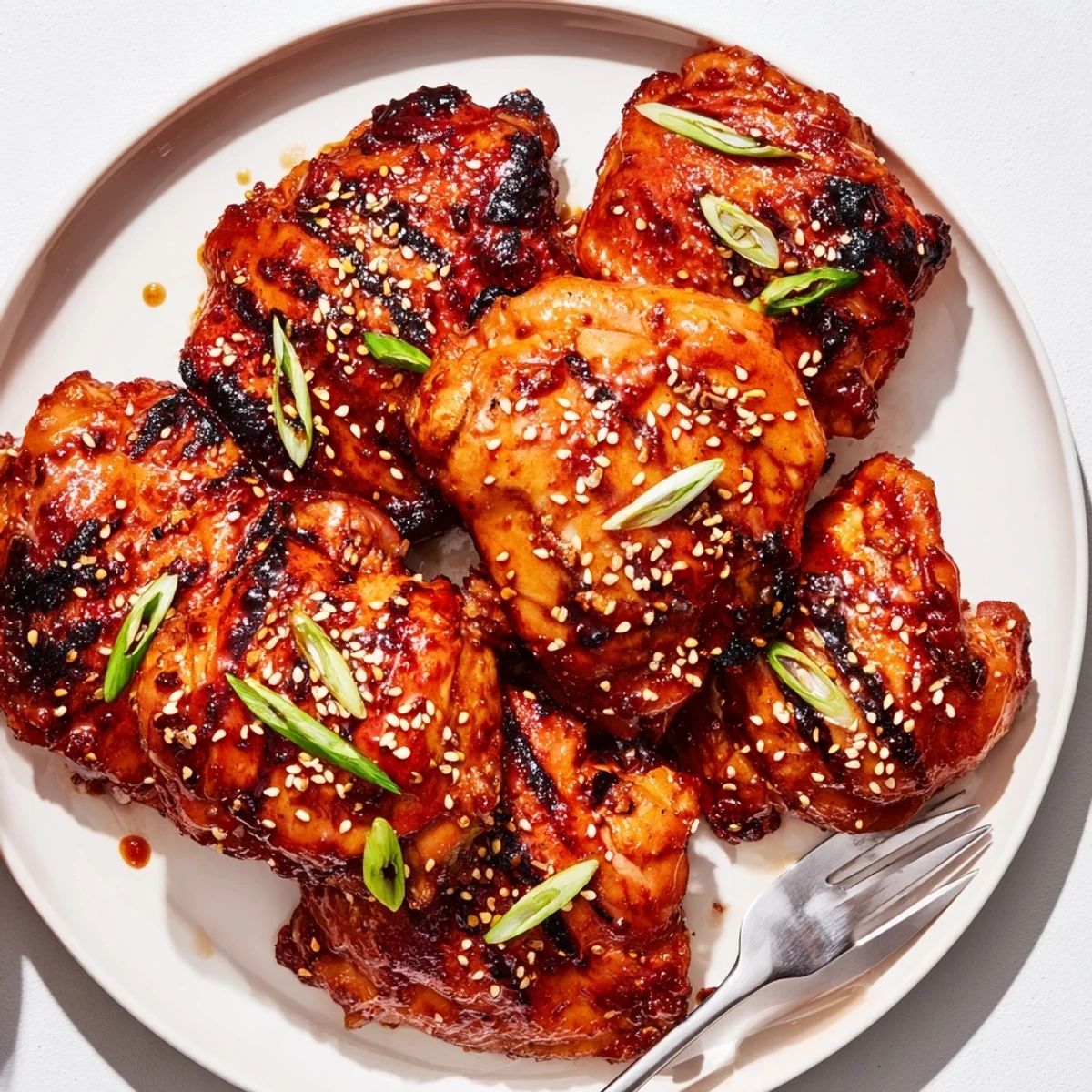
 Bright soy, honey and sesame oil combine with garlic, ginger and gochujang to make a sticky, savory marinade for eight boneless chicken thighs. Marinate 30 minutes to 6 hours for best flavor. Grill or bake at 425°F (220°C) for 20–25 minutes, turning once, until caramelized and 165°F (74°C) internally. Finish under high heat 1–2 minutes for extra char and garnish with toasted sesame seeds and sliced green onions.
The sizzle of chicken hitting a hot pan on a rainy Tuesday evening taught me more about Korean cooking than any cookbook ever could. My neighbor Mrs. Park had handed me a jar of homemade gochujang the week before, and I was determined to do it justice. The smell that filled my kitchen that night, soy and sesame curling through the air, made my family gather at the counter before I even finished plating.
I made this for a backyard cookout last summer when my friend David brought his new girlfriend who supposedly hated spicy food. I dialed the gochujang back just a touch and she ended up asking for the recipe before dessert was even served. That moment reminded me how food can quietly rewrite someone's assumptions.
Ingredients
- 8 boneless skinless chicken thighs (about 1.2 kg): Thighs are the hero here because they stay juicy even if you accidentally overcook them by a few minutes which I have done many times.
- 1/4 cup soy sauce: This is the salty backbone of the marinade so use a good quality one if you can find it.
- 2 tablespoons honey: Honey helps create that beautiful lacquered finish when the chicken hits the heat.
- 2 tablespoons sesame oil: Toasted sesame oil is non negotiable because it brings the warm nutty aroma that makes everything taste Korean.
- 3 cloves garlic minced: Fresh garlic only since the pre minced jars lose that sharp pungent bite the marinade needs.
- 1 tablespoon fresh ginger minced: Peel it with a spoon edge for less waste and grate it as fine as you can manage.
- 1 tablespoon gochujang (Korean chili paste): This fermented chili paste adds depth and gentle heat that builds slowly rather than overwhelming you.
- 1 tablespoon rice vinegar: A splash of acidity balances the sweet and salty elements beautifully.
- 1 teaspoon toasted sesame seeds: These little seeds soak up the marinade and distribute flavor in tiny bursts throughout each bite.
- 1/2 teaspoon black pepper: Just enough to add a mild warming note without competing with the gochujang.
- 2 green onions finely sliced (for marinade): Slice them thin so their mild onion flavor disperses evenly through the sauce.
- 1 tablespoon toasted sesame seeds (for garnish): A generous finishing sprinkle makes the dish look as good as it tastes.
- 2 green onions thinly sliced (for garnish): Fresh green onion on top adds a bright crunch that contrasts the sticky glazed chicken.
Instructions
- Build the marinade:
- Whisk together the soy sauce, honey, sesame oil, garlic, ginger, gochujang, rice vinegar, sesame seeds, pepper, and green onions in a bowl until everything is smooth and fragrant. Taste it on your fingertip and adjust if you want more sweetness or heat.
- Coat the chicken:
- Place the chicken thighs in a large resealable bag or shallow bowl and pour the marinade over every piece, massaging it in with your hands. Make sure each thigh is fully submerged or at least well coated on both sides.
- Let it rest:
- Refrigerate for at least 30 minutes or up to 6 hours if you want the flavors to really penetrate deep into the meat. I usually prep it in the morning and by dinner time the chicken has transformed into something extraordinary.
- Preheat your heat source:
- Set your oven to 425 degrees Fahrenheit (220 degrees Celsius) or fire up a grill to medium high so it is screaming hot when the chicken lands on it.
- Cook to golden perfection:
- Remove the chicken from the marinade, shake off the excess, and arrange on a parchment lined baking sheet or directly on the grill grates. Cook for 20 to 25 minutes, flipping halfway through, until the internal temperature hits 165 degrees Fahrenheit (74 degrees Celsius) and the edges are deeply caramelized.
- Finish and serve:
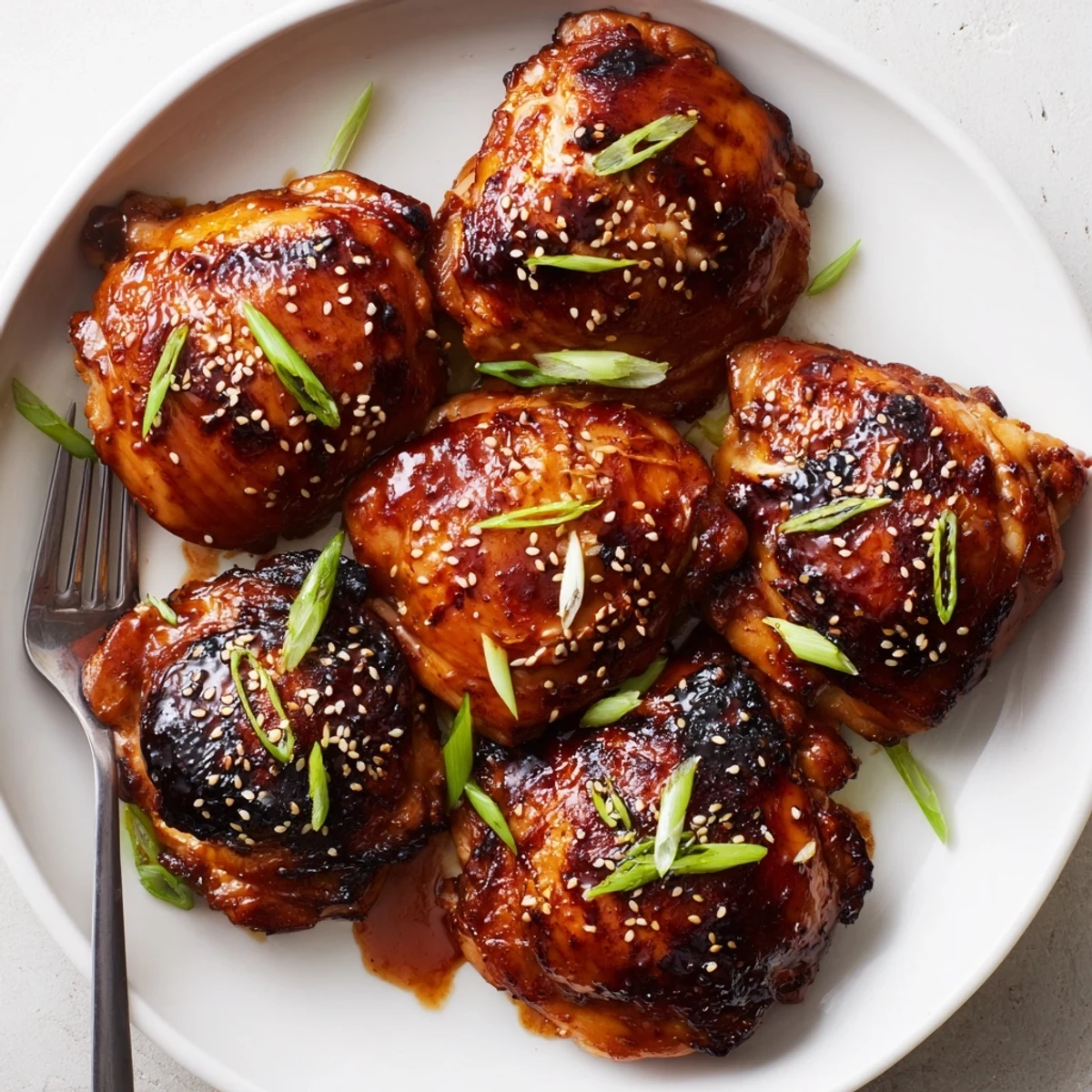
- Transfer the chicken to a platter and scatter extra sesame seeds and sliced green onions over the top while it is still hot and glistening. Serve immediately with steamed rice because the juices pooling at the bottom are too good to waste.
 Save to everydaypinmeals
 The night I served this to my sister she called me the next day from the grocery store asking what gochujang was called again so she could make it for her book club. Recipes like this one stop being yours the moment someone else craves it enough to cook it themselves.
What to Serve Alongside
Steamed white rice is the obvious partner because it catches every drop of that sticky sauce, but a cold bowl of cucumber salad with sesame dressing cuts through the richness perfectly. Kimchi on the side brings a funky fermented kick that rounds out the whole plate. I have also been known to eat leftovers straight from the fridge wrapped in a lettuce leaf with a smear of extra gochujang.
Dealing With Gochujang Substitutes
If your local store does not carry gochujang, sriracha works in a pinch but add a half teaspoon of miso paste to mimic the fermented depth. I learned this workaround during a snowstorm when the only option was a convenience store three blocks away. The result was different but still completely delicious in its own right.
Storing and Reheating
Leftovers keep beautifully in an airtight container in the fridge for up to three days and honestly the flavor deepens overnight which makes it even better. Reheat gently in a skillet over medium low heat so the glaze does not burn while the center warms through. I portion leftover chicken over cold rice for lunch the next day and it never disappoints.
- Freeze portions with a little extra marinade spooned over the top to keep them moist during reheating.
- Avoid microwaving on high because it turns the caramelized edges rubbery and sad.
- Always let frozen chicken thaw overnight in the fridge rather than at room temperature for food safety.
 Save to everydaypinmeals
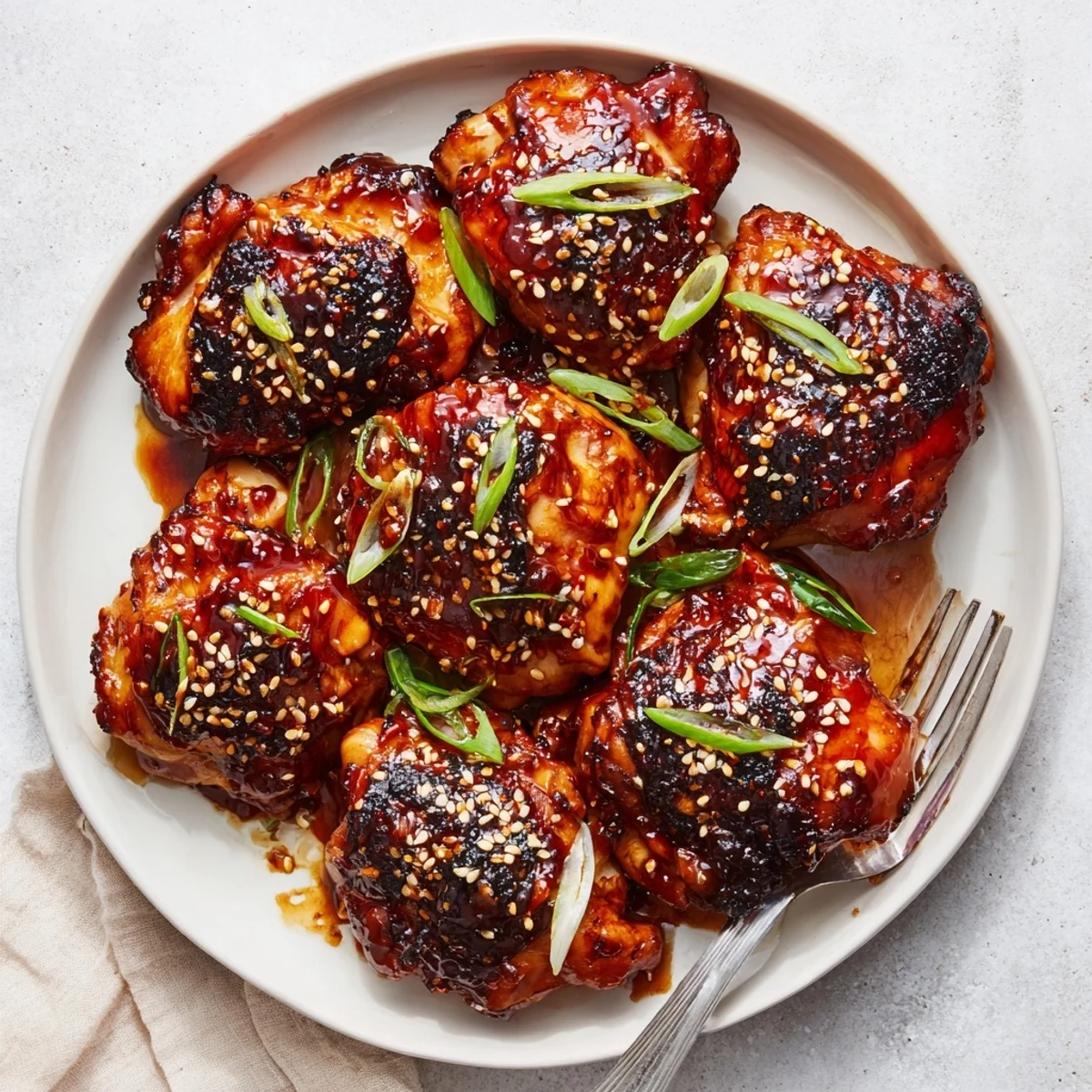
 Some dinners are just dinner, and then some dinners make people lean back in their chairs and exhale slowly with full happy mouths. This is the second kind, and it deserves to be shared widely.
Recipe FAQs
- → How long should I marinate the chicken?
-
Marinate at least 30 minutes to let the flavors start to penetrate. For deeper flavor marinate up to 6 hours; avoid much longer with soy-based marinades to prevent overly salty meat.
- → Can I use bone-in thighs instead of boneless?
-
Yes. Bone-in thighs take longer to cook—plan for 5–10 extra minutes and monitor until the thickest part reaches 165°F (74°C). Bones add flavor but reduce the caramelized surface slightly.
- → What gives the chicken that caramelized glaze?
-
The honey and sesame oil in the marinade caramelize under high heat while the sugars in gochujang contribute to a glossy, savory crust. A brief broil or finishing over direct heat intensifies browning.
- → What can I use if I don't have gochujang?
-
Substitute a mix of sriracha and a touch of miso or a dollop of chili paste plus a bit of sugar to mimic gochujang's sweet-umami-spice profile. Adjust to taste for heat and sweetness.
- → How do I check for doneness without a thermometer?
-
Cut into the thickest part: juices should run clear and the meat should be opaque with no pink near the bone or center. For best results, use an instant-read thermometer to confirm 165°F (74°C).
- → How should leftovers be stored and reheated?
-
Cool and refrigerate within two hours in an airtight container for up to 3–4 days. Reheat gently in a low oven or skillet to preserve texture; a quick broil can revive the exterior crispness.