
 Save to everydaypinmeals
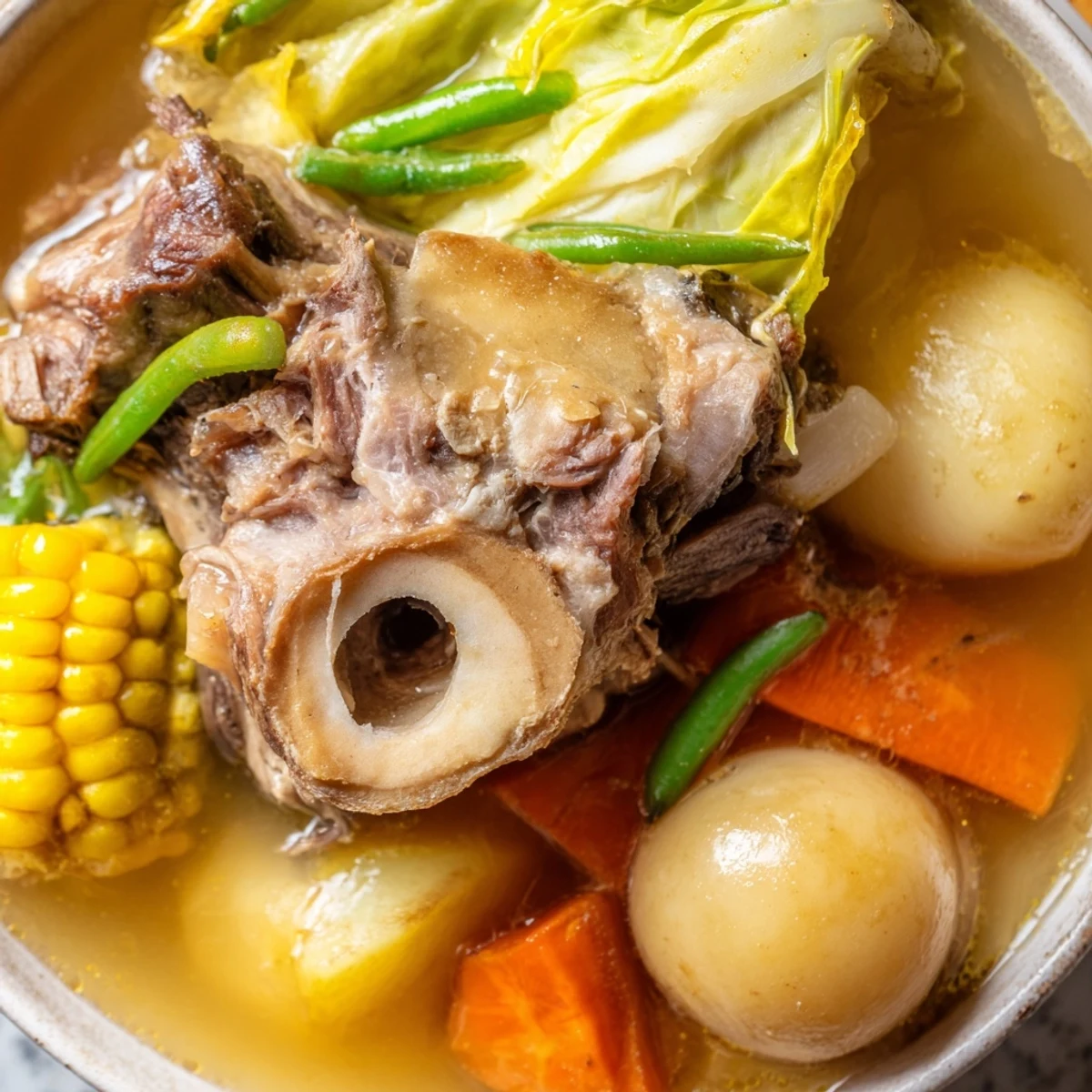
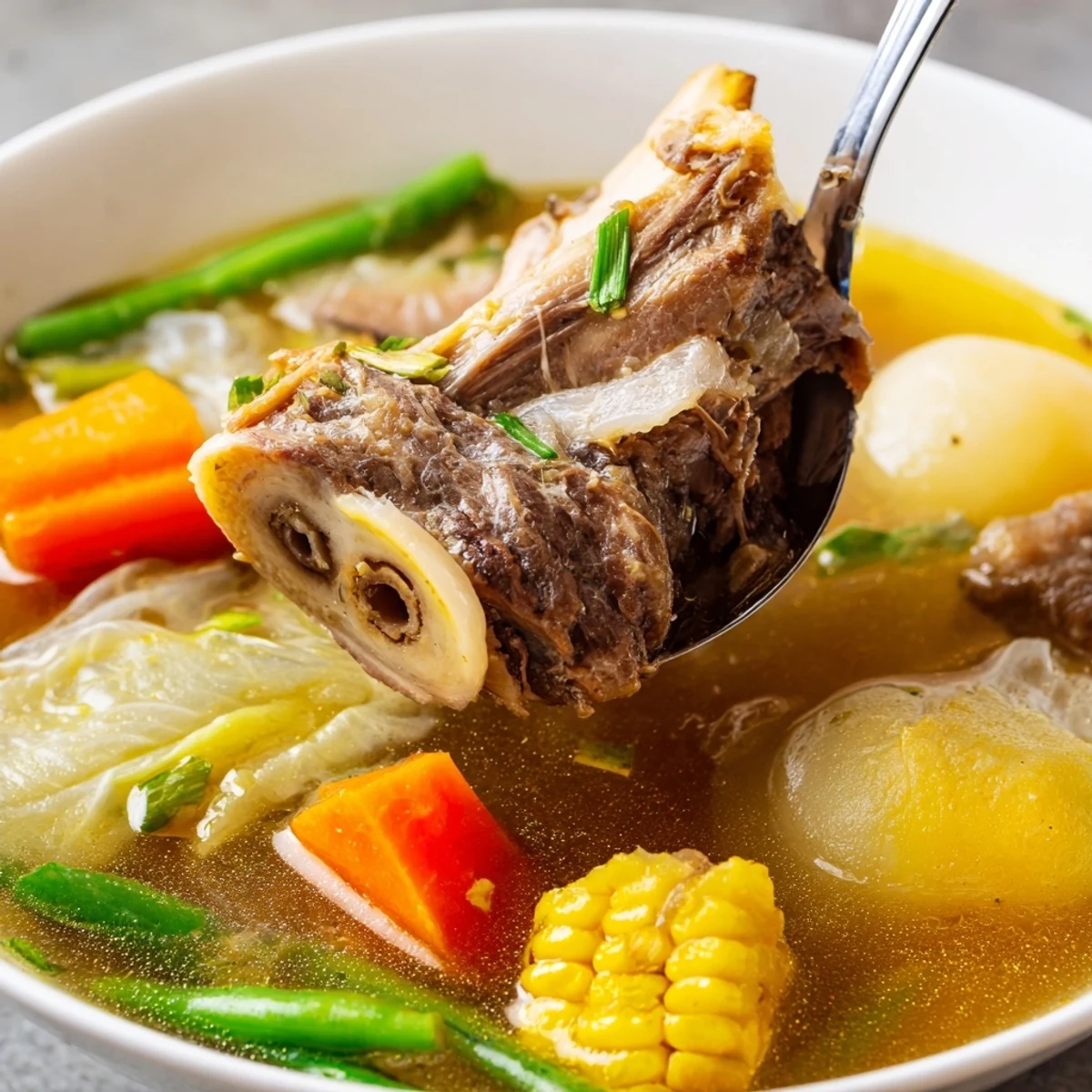
 This hearty Filipino soup simmers beef shank with marrow bones for hours until the meat falls off the bone. The clear broth gets its depth from long simmering with onions and peppercorns, while corn, potatoes, carrots, and vegetables add substance. Each bowl offers tender beef, creamy marrow, and vitamin-rich vegetables in a warming broth that's perfect for family gatherings.
My lola would start this soup at dawn, letting the beef shank simmer slowly while the house filled with that unmistakable aromatic promise of something rich and restorative being born. Bulalo isnt just soup in our family its a full bowl of history, a dish that demands patience but rewards you with the kind of comfort that only bone marrow and slow-cooked beef can provide.
I once made bulalo during a typhoon warning, stocking up on beef shank and vegetables while everyone else rushed for instant noodles. We spent the entire afternoon hovering around the pot, tasting the broth as it transformed from simple beef water into something golden and profound, then gathered with steaming bowls while rain hammered against the windows.
Ingredients
- Beef shank (1.5 kg bone-in): The star of the show, this cut becomes meltingly tender after hours of simmering while releasing incredible flavor into the broth
- Beef marrow bones (500 g optional): These add that luxurious richness and body that make bulalo restaurant worthy
- Corn (2 ears): Natural sweetness balances the savory beef broth and provides satisfying texture
- Onion (1 medium quartered): Foundation flavor that mellows beautifully during long cooking
- Carrot (1 medium chunked): Adds subtle sweetness and vibrant color to the bowl
- Baby potatoes (250 g halved): Creamy and absorbent, they soak up all that gorgeous broth flavor
- Napa cabbage (1 small head): Wilts beautifully at the end, adding fresh contrast to the rich soup
- Green beans (1 small bunch): Bring a snap of freshness and color to each spoonful
- Saba bananas (2-3 optional): The secret Filipino touch, their subtle sweetness cuts through the richness
- Water (10 cups): Creates the clean, clear broth base that lets every ingredient shine
- Whole black peppercorns (1 tablespoon): Gentle heat that builds slowly and warms you through
- Fish sauce (2 tablespoons): Essential umami depth that salt alone cant provide
- Salt: Final seasoning to balance all the flavors perfectly
- Chopped scallions: Fresh oniony brightness to finish each bowl
- Calamansi or lemon wedges: Acid squeeze that brightens and lifts all the rich flavors
Instructions
- Start the broth base:
- Place beef shank and marrow bones in a large pot, cover completely with water, and bring to a rolling boil over high heat. Watch carefully as grey foam rises to the surface, skimming it off diligently until the liquid runs clear.
- Build the foundation:
- Lower heat to a gentle simmer, then add quartered onion, whole peppercorns, and fish sauce. Cover partially and let it cook undisturbed for about 2 hours, checking occasionally that the beef is becoming fork tender.
- Add hearty vegetables:
- Drop in halved potatoes and chunked carrots, letting them simmer for 10 minutes until they begin to soften but still hold their shape.
- Introduce sweet elements:
- Add corn pieces, plantain bananas if using, and trimmed green beans. Cook for another 10 minutes, letting the corn release its natural sweetness into the broth.
- Finish with fresh vegetables:
- Gently stir in napa cabbage pieces, cooking just until they wilt but retain their vibrant color, about 2 to 3 minutes. The contrast of tender beef against fresh cabbage is what makes each bowl perfect.
- Season and serve:
- Taste the broth carefully, adjusting with salt or additional fish sauce until all flavors harmonize. Ladle hot into bowls, scatter with chopped scallions, and serve alongside calamansi wedges for that final bright squeeze.
 Save to everydaypinmeals
 Bulalo has become my go to dish whenever friends need feeding after a long week, gathering everyone around the table with individual steaming bowls and that inevitable marrow spoon battle. Theres something about this soup that turns strangers into family, one shared bowl at a time.
Making It Your Own
The beauty of bulalo lies in its adaptability while maintaining its soul. Some days I add more vegetables, others I focus on the beef quality, but the broth always tells me what it needs.
The Art of Broth
A great bulalo broth should be clear enough to see through yet rich enough to coat the back of a spoon. The difference between good and great comes down to patience during those first critical hours.
Serving Suggestions
Traditional bulalo deserves proper accompaniments and presentation. These small touches elevate a humble soup into a memorable meal.
- Steaming jasmine rice is the perfect vessel for soaking up every drop
- Provide small marrow spoons so guests can extract every bit of treasure
- Set out extra fish sauce and calamansi so everyone can adjust to taste
 Save to everydaypinmeals
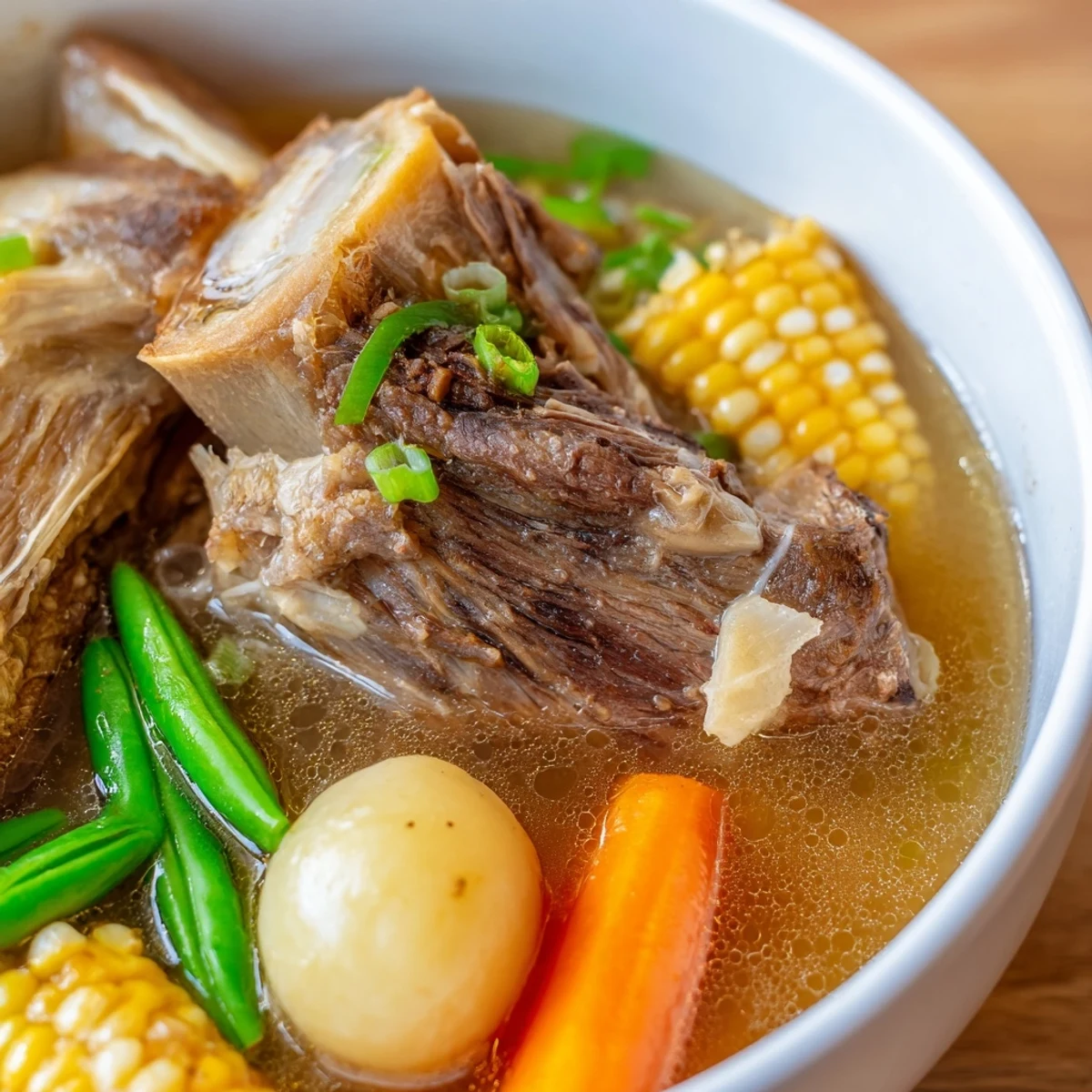
 Theres no soup quite like bulalo for turning a simple meal into a cherished memory around the table.
Recipe FAQs
- → What is bulalo?
-
Bulalo is a traditional Filipino soup from Batangas province made with beef shank and bone marrow. The long cooking time extracts rich flavors from the bones, creating a comforting clear broth with tender meat.
- → How long should I cook the beef?
-
Cook the beef shank for at least 2 hours until fork-tender. The marrow bones need this time to release their richness into the broth. Skimming impurities during the first boil ensures a clear soup.
- → Can I use other vegetables?
-
Traditional bulalo uses corn, potatoes, carrots, cabbage, and green beans. Some regions add plantains for sweetness. Feel free to adjust vegetables based on preference and availability.
- → What makes the broth clear?
-
Start by bringing the beef to a full boil and skimming off all scum and impurities. For an even clearer broth, parboil the beef briefly, discard the first water, then cook with fresh water.
- → How do I serve bulalo?
-
Serve hot in bowls, garnished with chopped scallions. Offer calamansi or lemon wedges on the side for squeezing. Steamed jasmine rice is the traditional accompaniment.