
 Save to everydaypinmeals
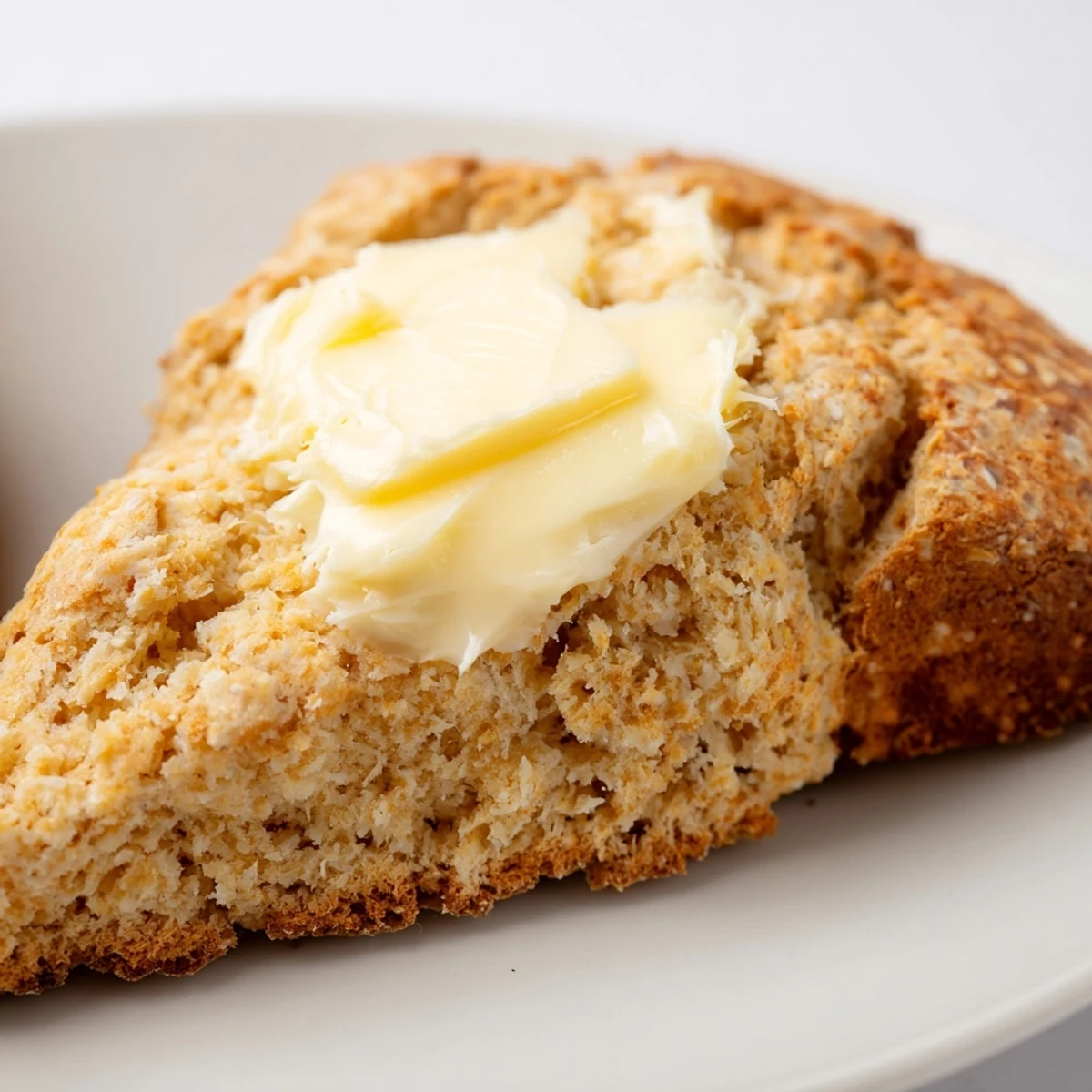
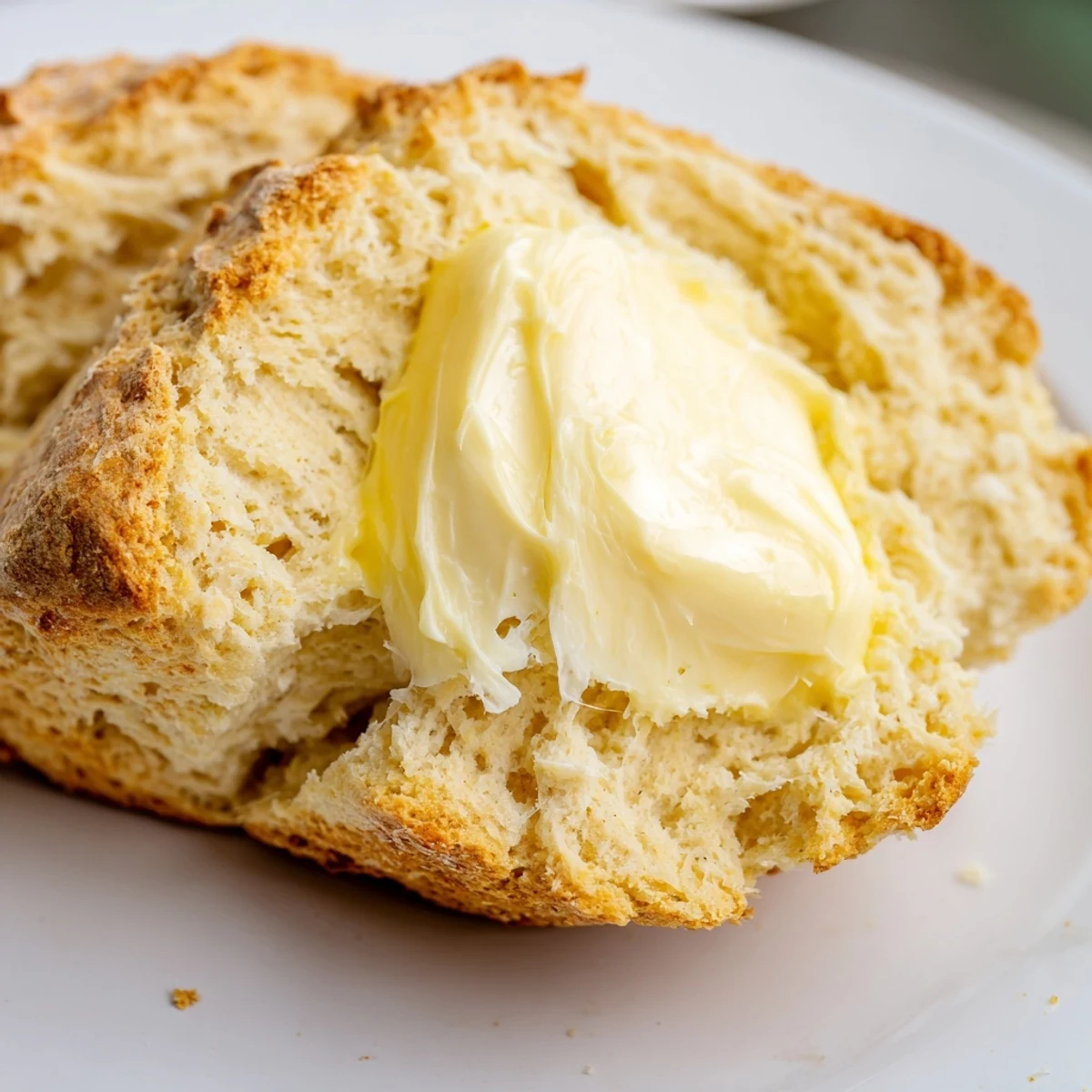
 This classic Irish soda bread features a crisp, golden crust and a tender, moist crumb. Made with simple ingredients like flour, baking soda, salt, and cold buttermilk, the dough is gently mixed and shaped into a round loaf. A deep cross is cut on top before baking to ensure even cooking. Served warm with rich, creamy Irish butter, this bread pairs beautifully with soups, stews, or enjoyed on its own for breakfast or snacks.
Perfect for quick preparation with minimal kneading, it offers a hearty and comforting addition to any meal. Variations include adding whole wheat flour or dried fruits for added texture and flavor. The bread’s subtle tang and soft interior make it a timeless staple of Irish cuisine.
Rain was lashing against my kitchen window that Tuesday when I first attempted soda bread, feeling ridiculous that something with only four ingredients could possibly work. Twenty minutes later, pulling this golden, cross-scored loaf from the oven, I understood why Irish grandmothers have been making this for generations. The chemistry feels like kitchen magic.
My sister called mid-afternoon that first time, asking what smelled so incredible. She arrived with a tub of salted butter and we devoured half the loaf standing at the counter, arguing over whose slice was thicker. Now its the bread I make whenever anyone needs comfort, though it rarely lasts past dinner.
Ingredients
- All-purpose flour: The backbone of this bread, creating structure without the need for kneading or developing gluten networks
- Baking soda: Reacts instantly with buttermilks acidity, creating those signature air pockets that give soda bread its tender crumb
- Sea salt: Enhances the other flavors and helps balance the buttermilks tang
- Sugar: Completely optional but adds a subtle sweetness that complements the salty butter later
- Buttermilk: Must be cold to work properly with the soda, creating the chemical reaction that makes the bread rise
- Irish butter: High butterfat content matters here, creating those irresistible melted pools on warm slices
Instructions
- Heat things up:
- Crank your oven to 425°F and line a baking sheet with parchment paper while everything else stays cold.
- Whisk the dry mix:
- Combine flour, baking soda, salt, and sugar in a large bowl until evenly distributed.
- Make a well:
- Pour a depression in the center of your flour mixture and add most of the cold buttermilk.
- Gather gently:
- Use your hand to bring the dough together, adding more buttermilk only if its too dry to form a shaggy ball.
- Minimal kneading:
- Turn onto a floured surface and fold it over itself just enough to form a round, about 30 seconds max.
- Score the cross:
- Shape into a 2-inch thick round and cut a deep cross on top with a sharp knife.
- Bake until golden:
- Bake 35 to 40 minutes until the crust is browned and tapping the bottom produces a hollow sound.
- Rest before slicing:
- Cool on a wire rack for 10 minutes, though tearing into it warm is practically impossible to resist.
 Save to everydaypinmeals
 My neighbor texted at 9pm one night, saying she could smell baking bread through our adjoining walls. I sent her over the remaining third of the loaf, still slightly warm, wrapped in a clean kitchen towel. Shes requested it every Sunday since.
Making It Your Own
Swap one cup of all-purpose flour for whole wheat if you want more nuttiness and texture. The bread will be slightly denser, but that sturdy quality makes it exceptional for dipping into hearty stews.
The Cross Tradition
Scoring that deep cross does more than look traditional—it helps the heat penetrate the center while allowing the bread to expand properly. Some say it symbolizes blessing the bread, others claim it wards off evil spirits.
Serving Suggestions
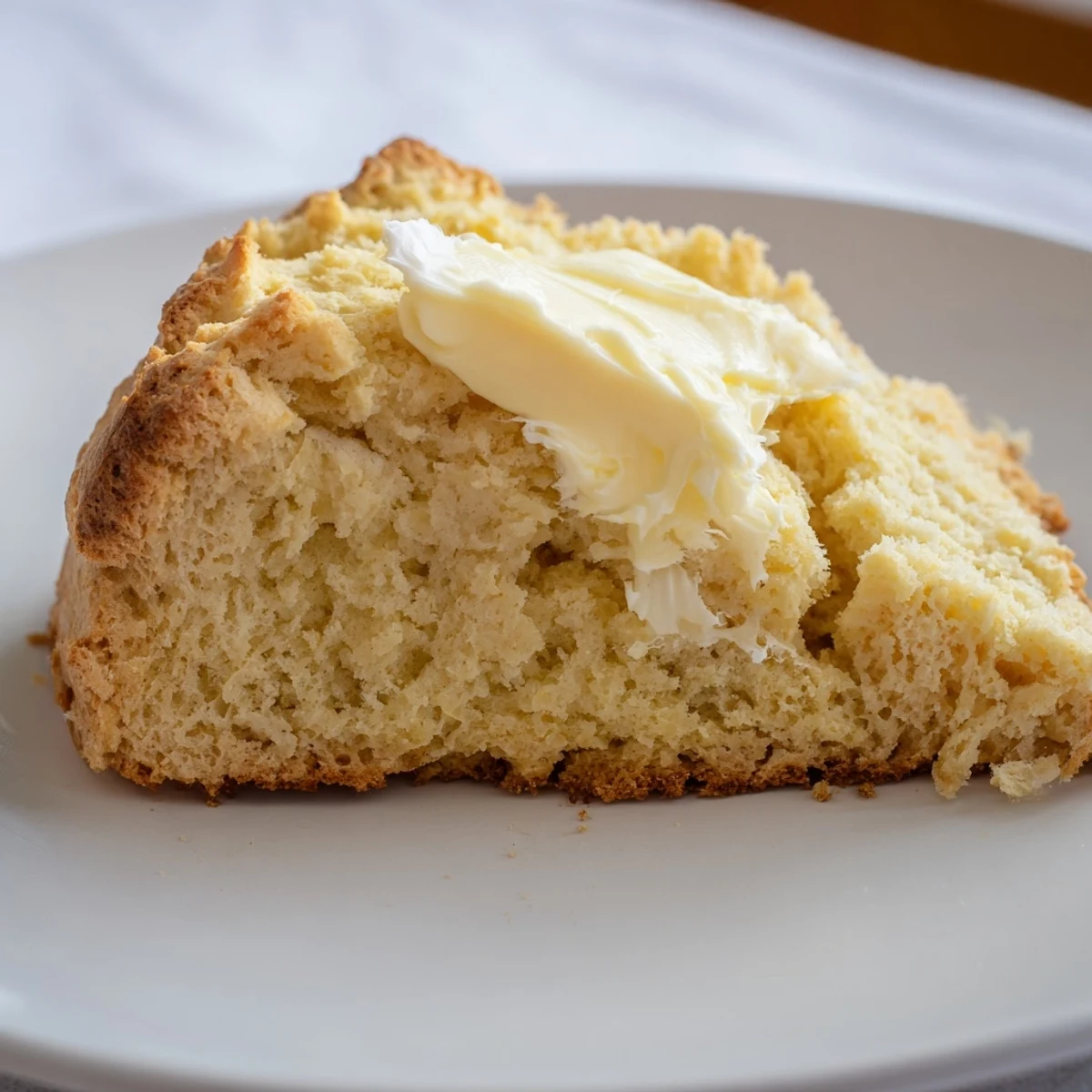
This bread demands to be eaten warm, ideally slathered with butter that puddles in all those little crumb pockets. Ive also served it alongside smoked salmon, with the slight tang balancing perfectly against the rich fish.
- Add raisins or currants to the dough for a sweeter morning bread
- Leftovers make exceptional toast the next morning, almost better than fresh
- Freeze extra loaves wrapped tightly and reheat at 350°F for 10 minutes
 Save to everydaypinmeals
 Theres something profoundly satisfying about bread that requires nothing more than a bowl and a willingness to get your hands floury. This recipe has saved more terrible days than I can count.
Recipe FAQs
- → What gives soda bread its rise?
-
Baking soda reacts with the acidity in buttermilk to create carbon dioxide, helping the bread rise without yeast.
- → Why is a cross cut on top of the loaf?
-
The cross allows steam to escape and helps the bread cook evenly while creating its characteristic look.
- → Can I substitute buttermilk in this bread?
-
Yes, a mix of milk and lemon juice or vinegar can be used as a buttermilk substitute to activate the baking soda.
- → How should soda bread be stored?
-
Store wrapped in a clean kitchen towel at room temperature for up to two days or freeze for longer storage.
- → What pairs well with Irish soda bread?
-
It complements hearty soups, stews, smoked salmon, or can be enjoyed simply with Irish butter.