
 Save to everydaypinmeals
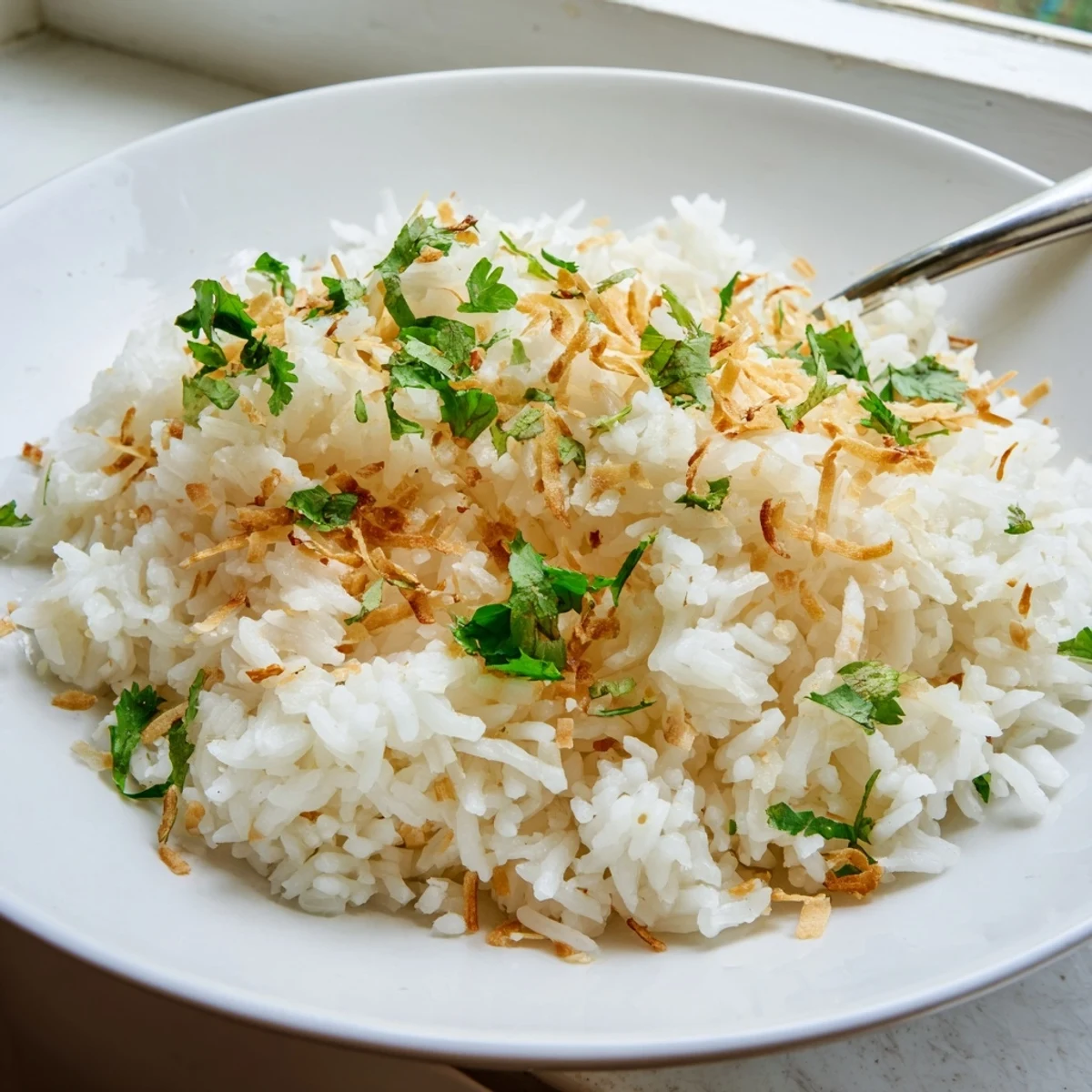
 This coconut rice transforms simple jasmine rice into a luxuriously creamy, fragrant side dish by simmering it in full-fat coconut milk. The natural richness of the coconut infuses every grain, yielding a tender, slightly sweet result that complements spicy curries, grilled meats, and stir-fries beautifully.
Ready in just 25 minutes with minimal prep, it requires only a handful of pantry staples: rice, coconut milk, water, salt, and an optional pinch of sugar. Letting the rice rest covered after cooking ensures perfectly separated, fluffy grains every time.
There is something about the smell of coconut milk hitting a hot pan that instantly transports me to a tiny roadside warung in Bali where I once waited out a sudden downpour over a plate of steaming nasi lemak. The owner barely spoke English and I barely spoke Bahasa but she taught me that rice does not need much to become extraordinary. Coconut rice became my weeknight anchor after that trip simple enough for tired hands and rich enough to feel like a small celebration every single time.
I once served this at a dinner party where a friend who swears she hates coconut went back for thirds and still texts me asking for the recipe six months later.
Ingredients
- Jasmine rice (1 cup): Jasmine is my first choice because its floral perfume works beautifully with coconut but basmati will do in a pinch.
- Full fat unsweetened coconut milk (1 cup): Do not reach for the lite version here because the richness is the whole point and nothing else will give you that velvety texture.
- Water (1 cup): A full cup of coconut milk alone is too heavy so water balances the liquid ratio perfectly.
- Salt (1/2 tsp): Salt is what makes the coconut flavor actually show up so do not skip it even if you think rice does not need seasoning.
- Sugar (1 tsp optional): Just a tiny pinch rounds out the sweetness and makes people wonder what your secret is.
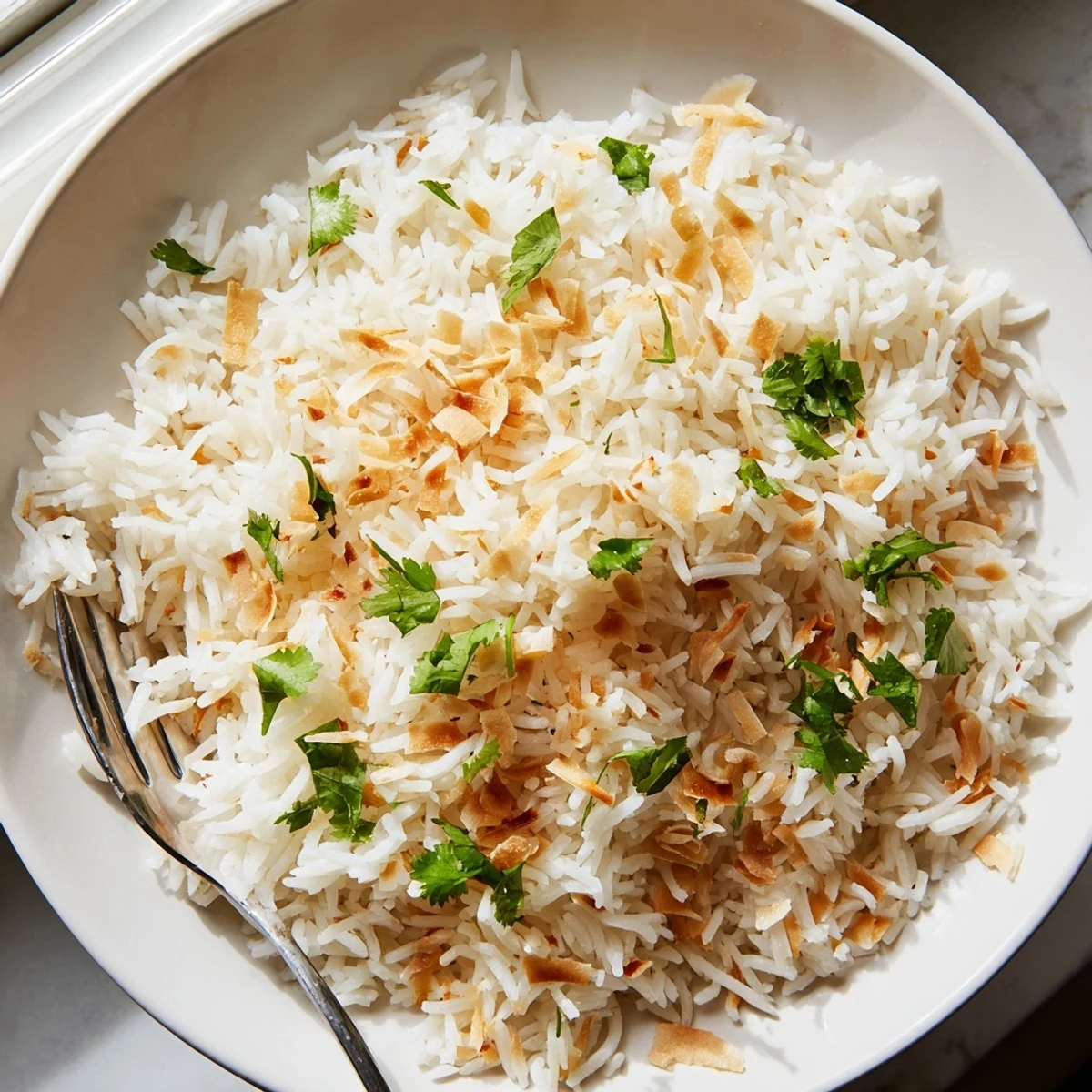
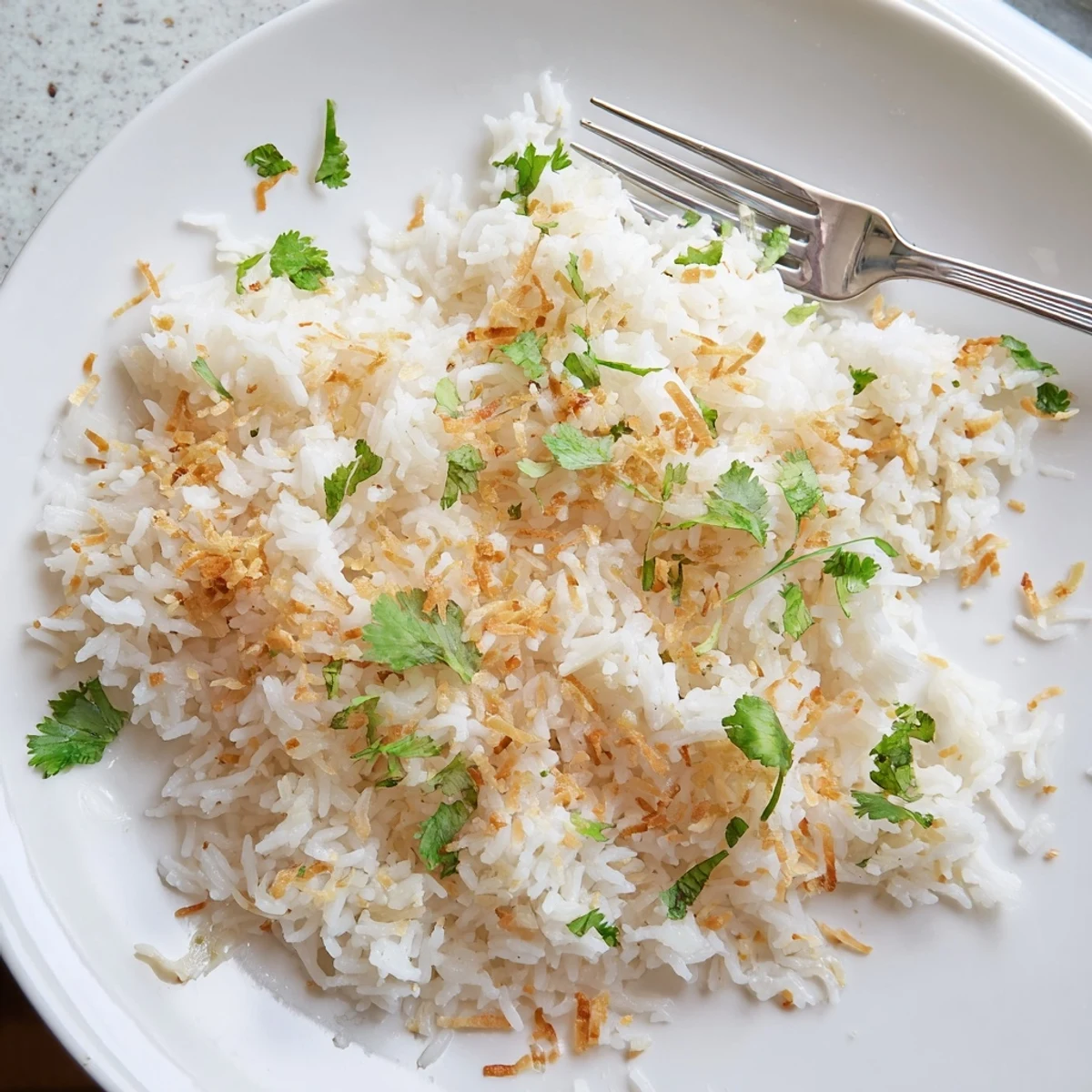
- Toasted shredded coconut (2 tbsp optional garnish): This adds a nutty crunch that turns a humble side into something worth photographing.
- Chopped fresh cilantro (2 tbsp optional garnish): A scattering of green at the end makes it look lively and tastes like a garden breeze.
Instructions
- Wash the rice well:
- Run cold water through the rice in a fine mesh strainer swirling with your fingers until the water runs nearly clear and you can feel each grain separate from its dusty coating.
- Bring everything together:
- Tumble the rinsed rice into a medium saucepan and pour in the coconut milk water salt and sugar then give it a gentle stir so nothing clings to the bottom.
- Simmer low and slow:
- Bring the pot to a gentle bubble over medium heat then clamp on the lid and drop the heat to the lowest setting letting it cook undisturbed for 15 to 18 minutes until the liquid disappears and each grain is tender.
- Let it rest:
- Take the pan off the heat completely and leave the lid on for a full five minutes so the steam finishes the job and the rice firms up instead of turning gummy.
- Fluff and finish:
- Slide a fork gently through the rice to separate the grains and shower with toasted coconut and cilantro if you are feeling a little extra today.
 Save to everydaypinmeals
 On a rainy Sunday last winter I ate a bowl of this coconut rice sitting cross legged on my kitchen floor with nothing but a spoon and it was one of the most peaceful meals I have ever had.
Aromatics That Change Everything
Toss a smashed lemongrass stalk or two torn kaffir lime leaves into the pot before you cover it and your kitchen will smell like a tropical morning. Pull them out before serving so nobody gets a surprise mouthful of woody herb.
What To Serve It With
This rice is a natural companion for anything with heat or bold spice. I love it alongside a sharp Thai green curry some charred chili chicken or even a simple piece of grilled salmon with a squeeze of lime.
Storage and Reheating
Leftovers keep beautifully in the refrigerator for up to three days and reheat with a splash of water in the microwave. The coconut flavor actually deepens overnight which makes next day lunches something to look forward to.
- Store in an airtight container to keep the grains from drying out in the cold fridge air.
- Reheat with a damp paper towel draped over the bowl to trap moisture and bring back that just cooked softness.
- Never freeze coconut rice because the texture turns grainy and sad and it deserves better than that.
 Save to everydaypinmeals
 Coconut rice is proof that the simplest dishes often leave the deepest impressions and I hope this one finds its way into your regular rotation.
Recipe FAQs
- → Can I use brown rice instead of jasmine rice?
-
Yes, brown rice works as a substitute but requires a longer cooking time and additional liquid. Expect to cook it for 35–40 minutes and add roughly ¼ cup more water or coconut milk for properly tender grains.
- → Should I use full-fat or light coconut milk?
-
Full-fat coconut milk delivers the richest, creamiest results and is strongly recommended. Light coconut milk will produce a less flavorful, thinner texture, though it can be used if you prefer a lighter option.
- → Why is my coconut rice sticking to the bottom?
-
Sticking usually means the heat was too high during simmering. Cook on the lowest heat setting with a tight-fitting lid, and avoid lifting the lid frequently. Letting the rice rest off the heat for 5 minutes before fluffing also helps release it gently.
- → How do I store and reheat leftover coconut rice?
-
Store cooled rice in an airtight container in the refrigerator for up to 4 days. To reheat, sprinkle a tablespoon of water over the rice and warm it in the microwave covered, or steam it gently on the stovetop to restore moisture and fluffiness.
- → What dishes pair well with coconut rice?
-
Coconut rice is a versatile side that pairs excellently with Thai green or red curries, spicy grilled chicken, teriyaki salmon, jerk shrimp, or any saucy main dish. Its mild sweetness and richness balance spicy and savory flavors perfectly.
- → Is coconut rice gluten-free and dairy-free?
-
Yes, this coconut rice is naturally both gluten-free and dairy-free. The creaminess comes entirely from coconut milk, making it suitable for those avoiding dairy or gluten in their diet.