
 Save to everydaypinmeals
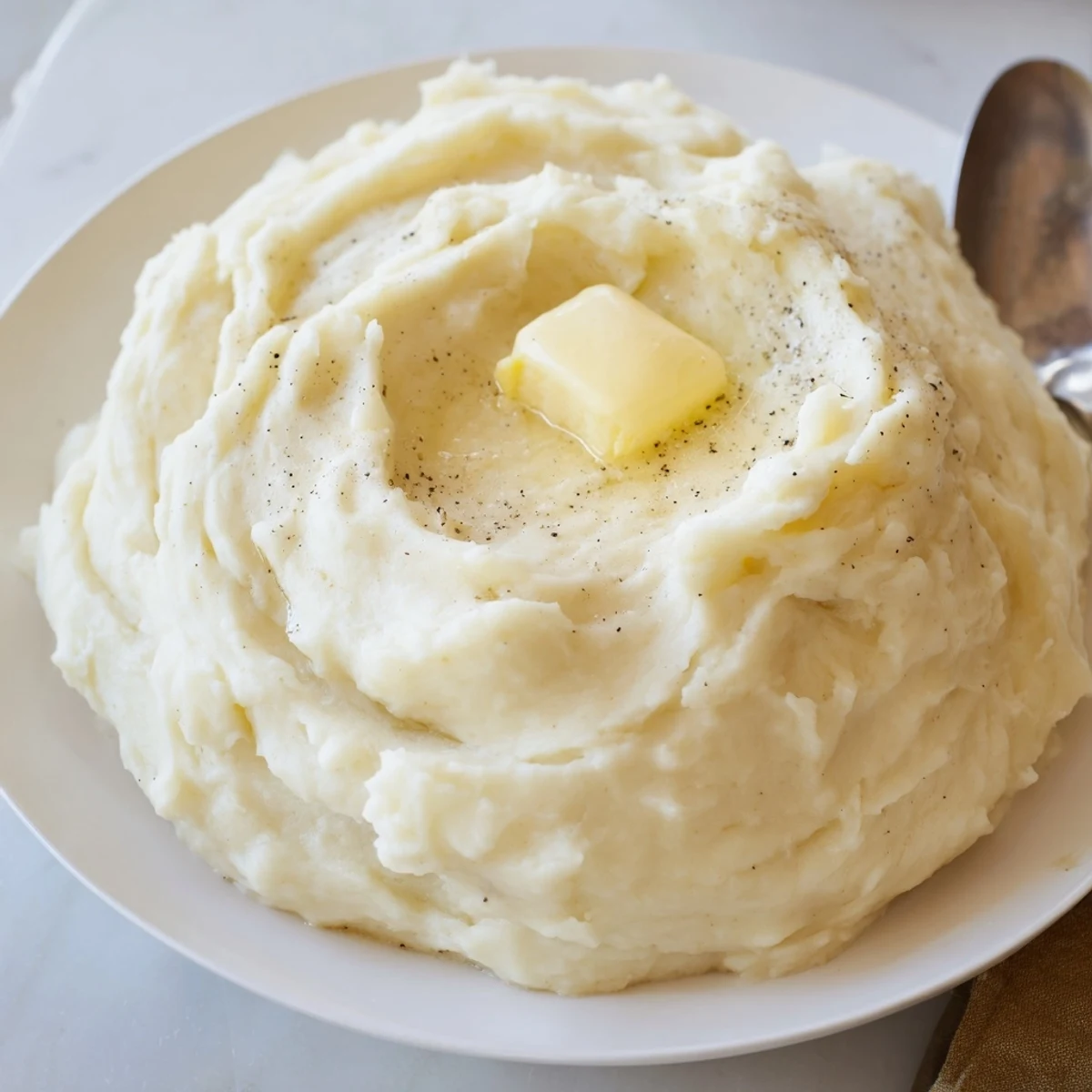
 These velvety mashed potatoes are the ultimate comfort side dish. Made with Yukon Gold potatoes, generous butter, warm milk, and heavy cream, they achieve an incredibly silky texture.
Simply boil peeled potatoes until fork-tender, drain thoroughly, and mash until smooth. Fold in cubed butter until melted, then gradually stir in warmed dairy for a luscious finish.
Ready in just 40 minutes, this dish pairs beautifully with roasted meats, poultry, or mushroom gravy. Infuse the milk with garlic or herbs for an extra layer of flavor.
The sound of a potato masher hitting the side of a pot at six in the morning is not something my family ever got used to, but Thanksgiving waits for no one and those potatoes certainly were not going to mash themselves. There is something almost meditative about peeling two pounds of Yukon Golds, their thin skins slipping off like wet paper, revealing the pale gold flesh underneath that promises buttery richness before a single pat of butter has even touched them. I learned early on that mashed potatoes are less a recipe and more a negotiation between starch, fat, and patience. Get that balance right and you have a bowl of velvet that makes people close their eyes at the dinner table.
My friend Marco once stood in my kitchen holding a forkful of these potatoes at arm's length, studying them like a jeweler inspects a diamond, before declaring them suspiciously perfect. He had spent years convinced that good mashed potatoes required some secret ingredient he was not privy to, and the look on his face when I told him it was mostly just patience and warm dairy was genuinely priceless. We stood there eating directly from the pot with serving spoons while the rest of dinner went cold on the table.
Ingredients
- 2 lbs Yukon Gold potatoes, peeled and cut into chunks: Yukon Golds are the undisputed champion here because their naturally buttery flavor and medium starch content produce creamy results without turning gummy or gluey.
- 4 tbsp unsalted butter, cubed: Cubing the butter lets it melt evenly and quickly into the hot potatoes so every fold incorporates fat rather than leaving greasy pools.
- 3/4 cup whole milk, warmed: Cold liquid seizes hot potatoes into lumpy submission, so always warm your milk first for the silkiest possible texture.
- 1/4 cup heavy cream, warmed: A little cream goes a long way toward that restaurant quality richness without making the dish feel heavy or cloying.
- 1 1/2 tsp kosher salt, plus more to taste: Potatoes are notorious salt absorbers, so be generous during cooking and taste aggressively at the end before serving.
- 1/4 tsp freshly ground black pepper: Freshly cracked pepper adds a gentle warmth that pre ground simply cannot replicate in a dish this simple.
Instructions
- Cover and salt the potatoes:
- Place the peeled and chunked potatoes in a large pot and cover them with cold water by about one inch, then add one teaspoon of kosher salt. Starting in cold water ensures the potatoes cook evenly from edge to center instead of mushing on the outside while staying raw within.
- Simmer until fork tender:
- Bring the pot to a rolling boil over medium high heat, then immediately drop it down to a gentle simmer. Cook for about fifteen to twenty minutes until a fork slides through the largest piece with zero resistance and absolutely no crunch.
- Drain and dry:
- Pour the potatoes through a colander and let them drain thoroughly, then return them to the same pot over low heat for one to two minutes. This brief drying period evaporates excess moisture so your final mash tastes of potato and butter rather than watery disappointment.
- Mash until smooth:
- Work through the potatoes with a masher, ricer, or food mill until completely smooth and free of lumps. A ricer gives you the most refined texture, but a sturdy masher and some determined elbow grease will absolutely get you there too.
- Fold in the butter:
- Add the cubed butter and gently fold it through the hot potatoes until every piece has melted and the mash glistens evenly. Resist the urge to stir aggressively because overworking the starches is what makes mashed potatoes turn sticky and dense.
- Add warm liquids gradually:
- Pour in the warmed milk and cream a little at a time, stirring gently between additions until the mixture reaches a silky, flowing consistency. Stop adding liquid the moment it looks and feels right to you because personal preference matters more than exact measurements here.
- Season and serve:
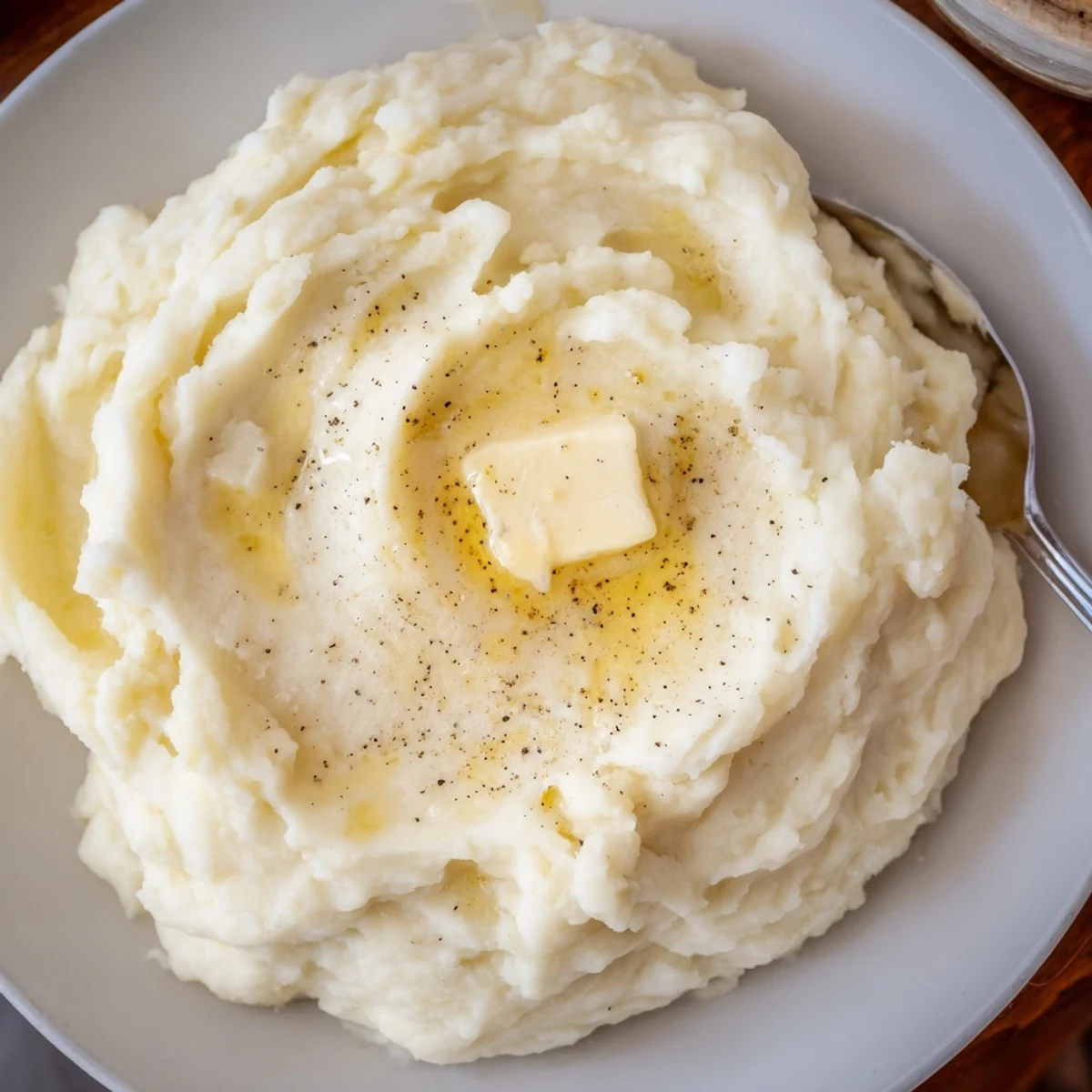
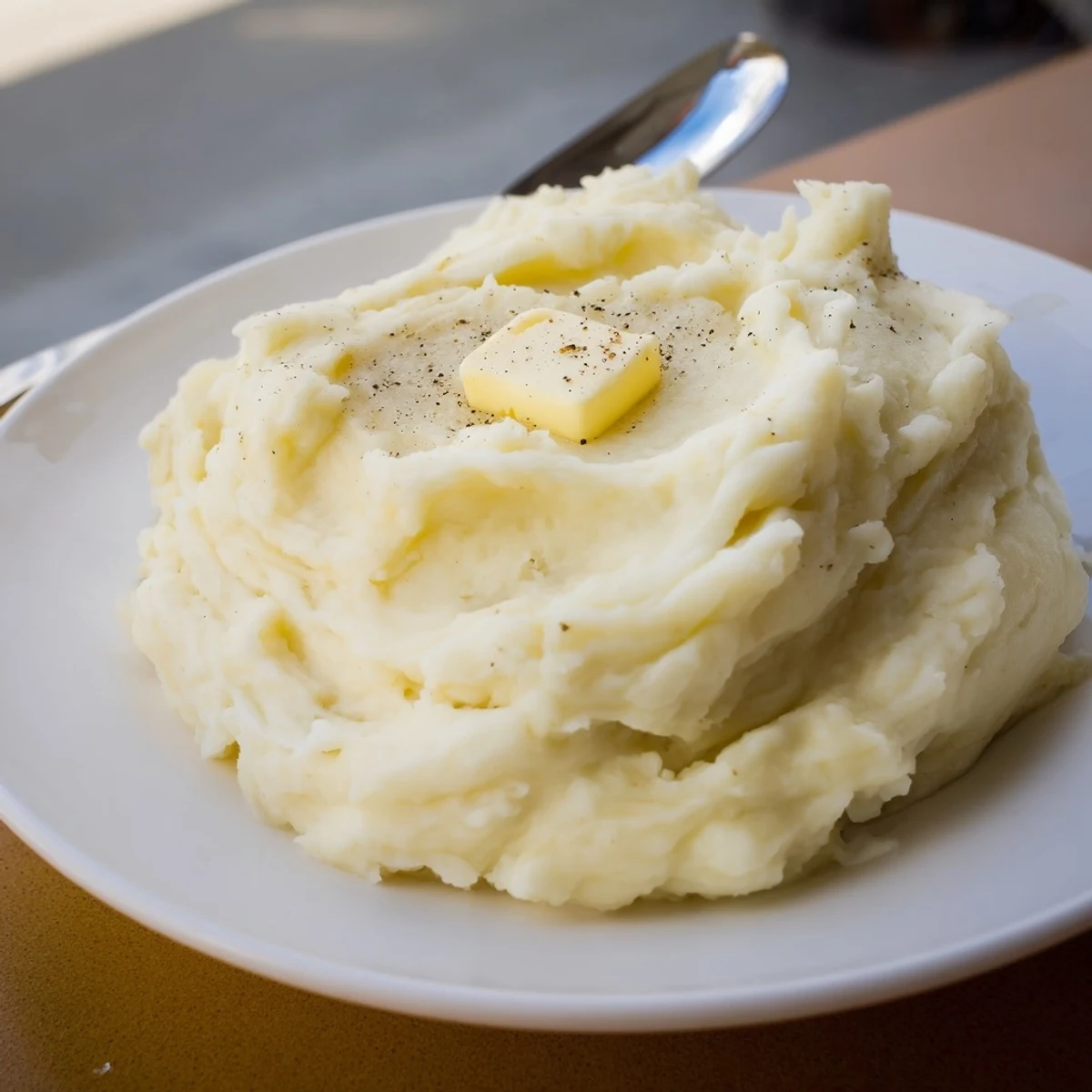
- Taste the potatoes and adjust with remaining salt and freshly ground black pepper until every bite sings. Transfer to a warm serving bowl, add an extra pat of butter on top because you deserve it, and serve immediately while still steaming hot.
 Save to everydaypinmeals
 The night my grandmother watched me make these through a video call from her kitchen three thousand miles away, she waited until I plated them before saying quietly that they looked just like hers. She had stopped cooking months earlier because her hands could not manage the mashing anymore, and in that moment a bowl of potatoes became something much larger than a side dish.
Choosing Your Potatoes Matters More Than You Think
Russet potatoes will give you a fluffier, lighter mash that almost dissolves on your tongue, while Yukon Golds lean creamier and denser with a natural sweetness that needs less enhancement. I have tried combining both in equal measure and the result is a surprisingly wonderful middle ground that captures the best qualities of each variety. Avoid waxy red potatoes for this particular dish because their low starch content means they never quite achieve that velvety texture you are after.
Tools That Actually Make a Difference
A potato ricer is the single best investment you can make if silky smooth mash is your goal, pressing each chunk through tiny holes that eliminate every lump without any effort at all. A food mill achieves similar results with slightly more control over the final texture. If you only have a hand masher, work in small sections and press firmly rather than stabbing at the potatoes, which creates uneven textures and tired arms.
Serving and Reheating Without Losing That Creamy Magic
Mashed potatoes wait for no one and no one should have to wait for mashed potatoes, so timing them to land on the table right as everything else is ready is the real art of the dish. If you need to hold them warm for a short while, cover the bowl tightly with foil and set it over a pot of barely simmering water, stirring gently every ten minutes to redistribute the heat evenly.
- A splash of extra warm cream stirred in just before serving revives potatoes that have been sitting and tightens up the texture beautifully.
- Leftovers reheat best in a saucepan over low heat with a tablespoon of milk stirred in, never in the microwave which creates uneven hot spots.
- Leftover mashed potatoes make incredible potato cakes the next morning when shaped into patties and pan fried in butter until golden on both sides.
 Save to everydaypinmeals
 Some dishes feed people and some dishes feed the room, filling the space with warmth and the particular kind of quiet that only happens when everyone is too busy eating to speak. These mashed potatoes belong firmly in the second category, and I hope they find their way to your table often.
Recipe FAQs
- → What type of potatoes work best for mashed potatoes?
-
Yukon Gold potatoes are ideal because they have a naturally buttery flavor and creamy texture. Russet potatoes also work well and produce a fluffier result.
- → Why should I warm the milk and cream before adding them?
-
Warming the dairy prevents it from cooling down the potatoes when mixed in, which helps maintain a smooth, silky consistency and allows the butter to incorporate evenly.
- → How do I avoid gummy or gluey mashed potatoes?
-
Drain the potatoes thoroughly and let them sit over low heat for 1–2 minutes to evaporate excess moisture. Avoid overmixing or using a blender, which breaks down the starches and creates a gummy texture.
- → Can I make mashed potatoes ahead of time?
-
Yes, you can prepare them up to a day in advance. Store in the refrigerator and reheat gently in the oven or on the stovetop, stirring in a splash of warm milk to restore creaminess.
- → How can I add more flavor to my mashed potatoes?
-
Infuse the warm milk with crushed garlic cloves, fresh thyme, or rosemary before adding. You can also stir in roasted garlic, chives, sour cream, or grated Parmesan for extra depth.
- → Can I make this dish dairy-free?
-
Absolutely. Substitute the butter with plant-based butter and use unsweetened oat or almond milk and a dairy-free cream alternative. The texture will be slightly different but still delicious.