
 Save to everydaypinmeals
 This soy, olive oil, Worcestershire and balsamic marinade pairs garlic, Dijon, brown sugar, lemon and rosemary to tenderize and layer savory-sweet flavors. Whisk base and aromatics, coat steaks, and chill 2–24 hours, turning occasionally. Pat dry before high-heat grilling, pan-searing, or broiling. Swap honey for brown sugar, add red pepper flakes for heat, or use tamari for a gluten-free option.
The aroma of garlicky marinade whisked in my kitchen somehow always triggers an instinct to open a window, even in the depths of winter, just to let that sharp, savory scent drift. There’s something secretive about preparing a good steak marinade—it feels a bit like a quietly effective magic trick. You stir together a few ordinary bottles, swipe a spoon along the rim, and suddenly bland beef is destined for greatness. It’s one of those little kitchen victories that never needs an audience.
The first time I prepped this, I found myself grinning over the kitchen counter as the marinade pooled around four ribeyes before a casual Saturday barbecue. My brother wandered in, sniffed dramatically, and pretended it was the scent of a fancy steakhouse—it became our running joke all afternoon. Later, as the steaks sizzled over open flames, conversations grew louder and laughter echoed through the yard. Somehow, the food always tasted better for the build-up.
Ingredients
- Soy sauce: This brings the foundation of savoriness and salt; I use reduced-sodium when I want balance, and tasting before adding extra salt is key.
- Olive oil: It helps the marinade penetrate the meat and adds silkiness; a good extra-virgin variety provides a peppery undertone.
- Worcestershire sauce: Just a splash, but it deepens flavor with an umami punch—don’t skip it even if it sounds mysterious.
- Balsamic vinegar: The acidity keeps beef tender, and its subtle sweetness rounds out the sharpness of lemon and garlic.
- Lemon juice: Freshly squeezed is non-negotiable; bottled juice lacks the tang and fragrance that wakes up the marinade.
- Garlic: Use freshly minced cloves for boldness; store-bought paste just doesn't have the same kick.
- Dijon mustard: This emulsifies everything and adds just the right background heat.
- Brown sugar: It creates depth and helps the steaks caramelize beautifully on the grill.
- Black pepper: Freshly cracked for a gentle burn that lingers pleasantly.
- Rosemary: I go for fresh whenever possible; the fragrance is piney and instantly lifts the marinade.
- Onion powder: Just a little goes far in boosting all the other savory notes without overwhelming the palate.
Instructions
- Whisk Up the Base:
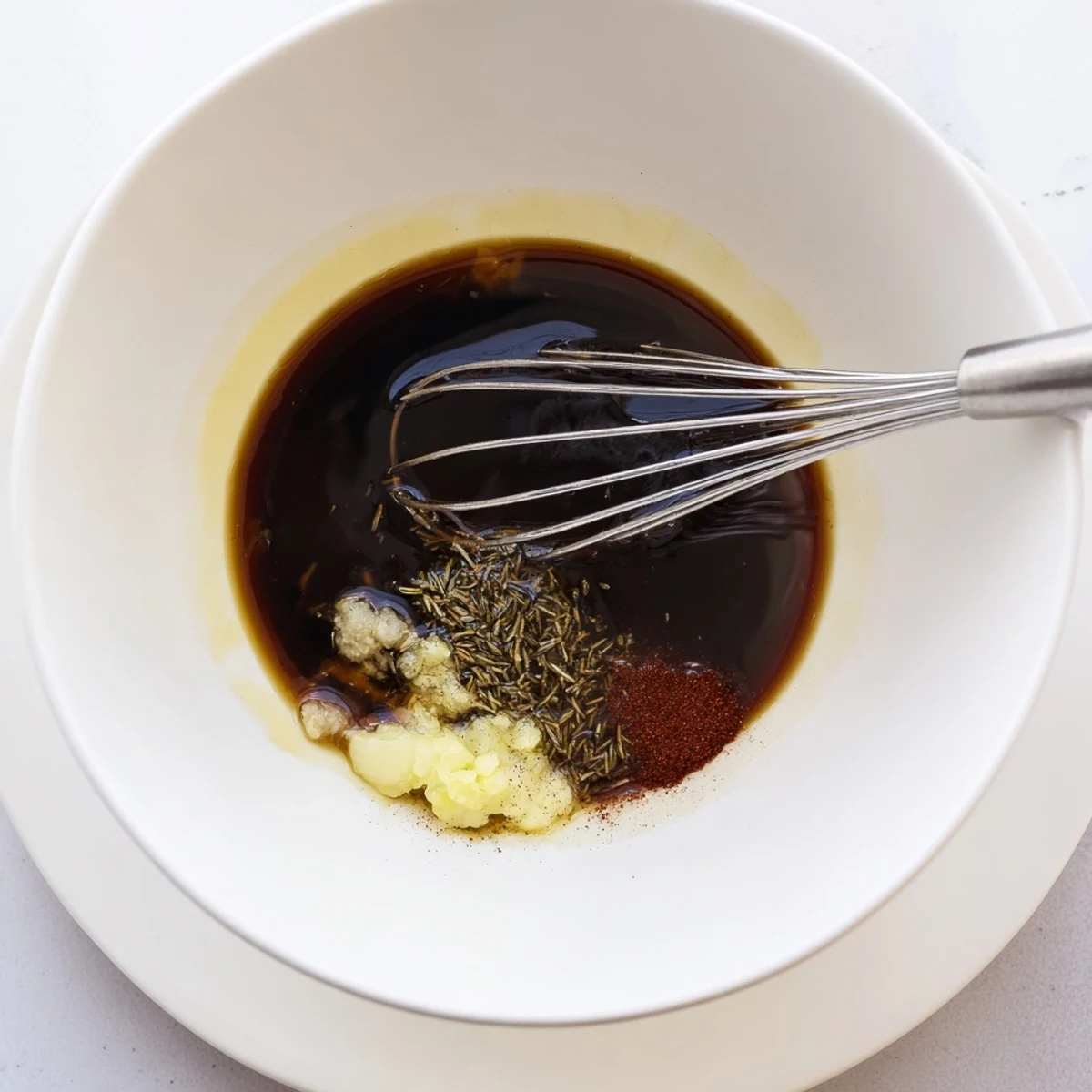
- In a medium mixing bowl, combine soy sauce, olive oil, Worcestershire sauce, balsamic vinegar, and lemon juice, whisking until the mixture smells bright and inviting.
- Add the Aromatics:
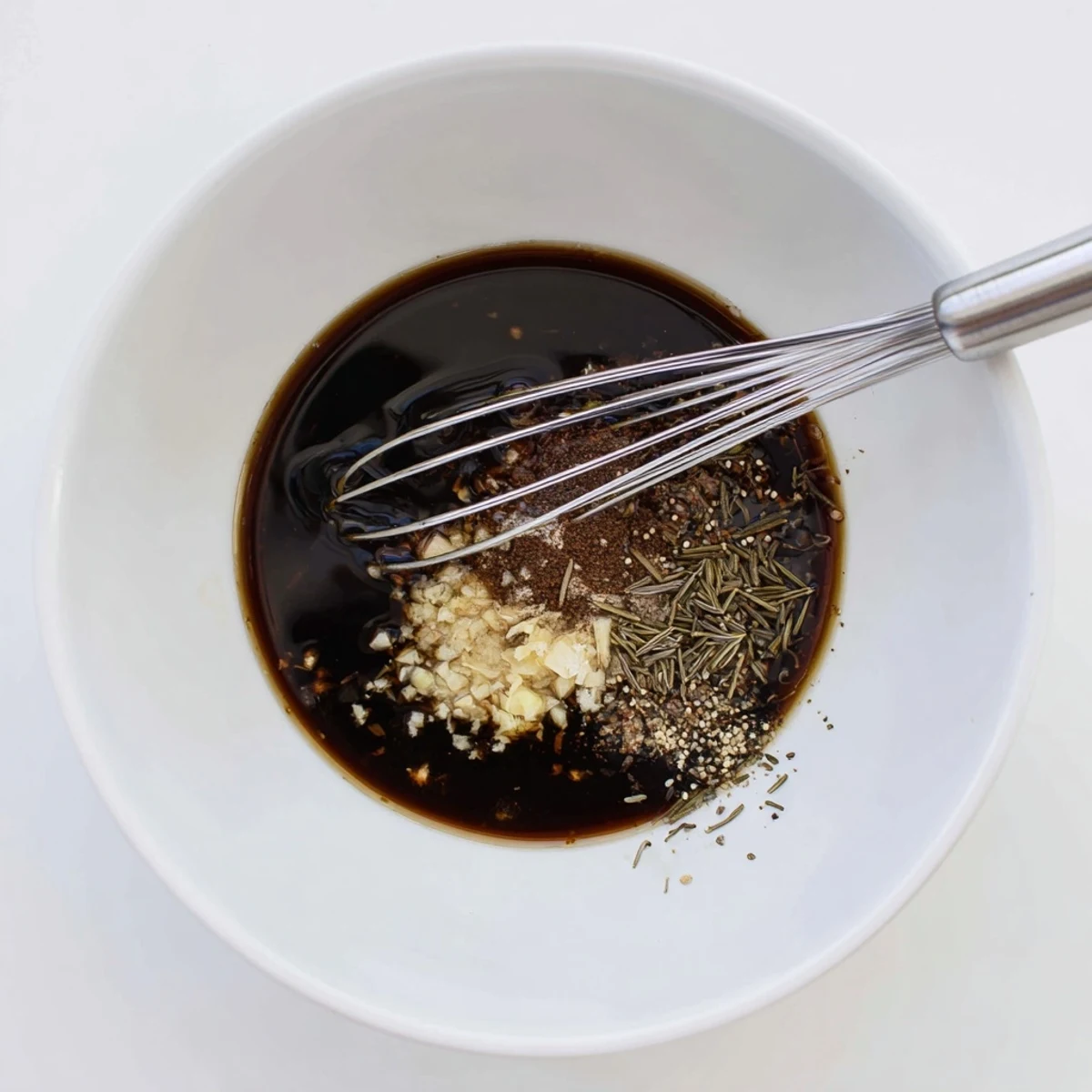
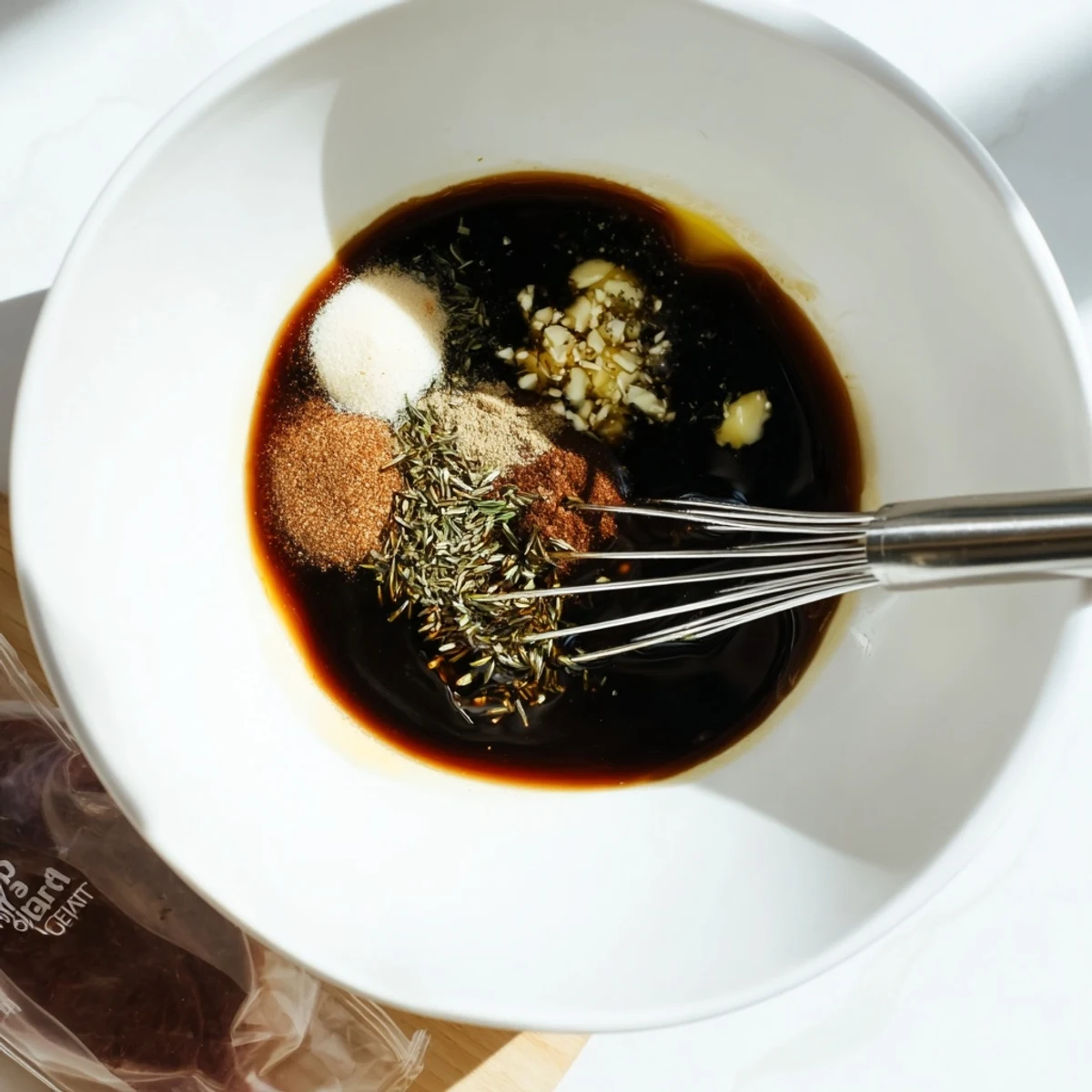
- Toss in minced garlic, Dijon mustard, brown sugar, black pepper, rosemary, and onion powder, then continue whisking until the marinade thickens slightly and the sugar dissolves.
- Coat the Steaks:
- Place your steaks in a resealable bag or shallow dish, then pour the marinade over top, making sure every side is well covered with your hands or a spoon.
- Marinate:
- Seal the bag or cover the dish, slip it into the fridge, and let everything infuse for at least 2 hours (I usually turn the steaks once halfway through marination).
- Grill or Sear:
- When you’re ready, pull the steaks from the marinade, pat them dry for a golden crust, discard the used marinade, and cook the beef to your liking—grill marks always feel like a badge of honor.
 Save to everydaypinmeals
 There’s a specific summer evening that stands out: the sun was setting, kids were darting between the yard and the porch, and everyone was trying to guess what was in the marinade—it became friendly competition while waiting for dinner. With every slice of steak, someone would call out a flavor like 'rosemary!' or 'was that mustard?' Eventually, I had to write the recipe down before it got lost in the chorus of guesses and the clink of wine glasses.
Tweaking Marinade Flavors for Different Cuts
I’ve learned that thicker or tougher cuts like flank or skirt steak can handle longer marination—up to 24 hours results in a texture you can cut with a fork. For more delicate cuts such as filet, I stick closer to 2–4 hours so the flavors complement without overpowering. If you ever dip into pork or chicken, start with less marination time and taste as you go. It’s all about balancing boldness against tenderness.
Pairings and Serving Ideas You’ll Want to Try
Saucy steaks beg for sides to soak up every drop: I love fresh summer salads, crisped potatoes, or grilled vegetables. On chilly evenings, serving with buttery mashed potatoes and roasted mushrooms feels especially comforting. For wine, a deep red with good tannin—think Cabernet Sauvignon or Malbec—really highlights the savory marinade. If you’re feeling playful, serve with corn on the cob brushed with leftover marinade (just boil it for safety first).
Avoiding Marinade Mishaps (and Last-Minute Successes)
I once accidentally used honey instead of brown sugar and found the caramelization was even deeper—accidental experiments can pay off. Remember to always discard used marinade; it’s tempting to brush on after cooking, but safety comes first. If you want a glaze for serving, reserve a little fresh marinade before adding it to the steak and simmer it briefly to thicken and mellow the raw flavors.
- If your marinade seems too thick, whisk in a touch of water or more lemon juice.
- For gluten-free needs, swap regular soy and Worcestershire for their gluten-free versions.
- Don’t be afraid to adjust the aromatics for your taste—the recipe invites flexibility.
 Save to everydaypinmeals
 A simple marinade, a handful of fresh ingredients, and a bit of patience—sometimes good cooking is just that straightforward. Here’s to memorable meals that start with a whisk and end with satisfied smiles.
Recipe FAQs
- → How long should steaks marinate for best results?
-
Marinate at least 2 hours for noticeable flavor and tenderness; up to 24 hours yields deeper penetration. Very thin cuts need less time to avoid overpowering the meat.
- → Can I reuse the leftover marinade as a sauce?
-
Do not reuse uncooked marinade that contacted raw meat. If you'd like to use it as a sauce, boil it for several minutes to eliminate any bacteria, then reduce slightly to concentrate flavor.
- → Which cuts of beef work best with this blend?
-
Robust cuts like ribeye, flank, skirt and sirloin benefit from the tenderizing and flavor infusion. Thinner steaks will absorb flavor quickly—shorten marinating time accordingly.
- → How can I prevent flare-ups on the grill from the sugar?
-
Pat steaks lightly dry before grilling to remove excess marinade, and use a hot, clean grate. Move steaks away from direct flames if charring occurs; cook over medium-high heat for controlled caramelization.
- → What are good substitutions for dietary needs?
-
Use tamari or gluten-free soy sauce and gluten-free Worcestershire for a gluten-free option. Substitute honey for brown sugar if preferred, and omit or reduce saltier components if watching sodium.
- → Any tips for adjusting flavor balance?
-
Adjust acidity with more lemon or balsamic for brightness, increase brown sugar or honey for sweetness, and add crushed red pepper flakes for a spicy kick. Fresh herbs lift the aroma—try extra chopped rosemary.