
 Save to everydaypinmeals
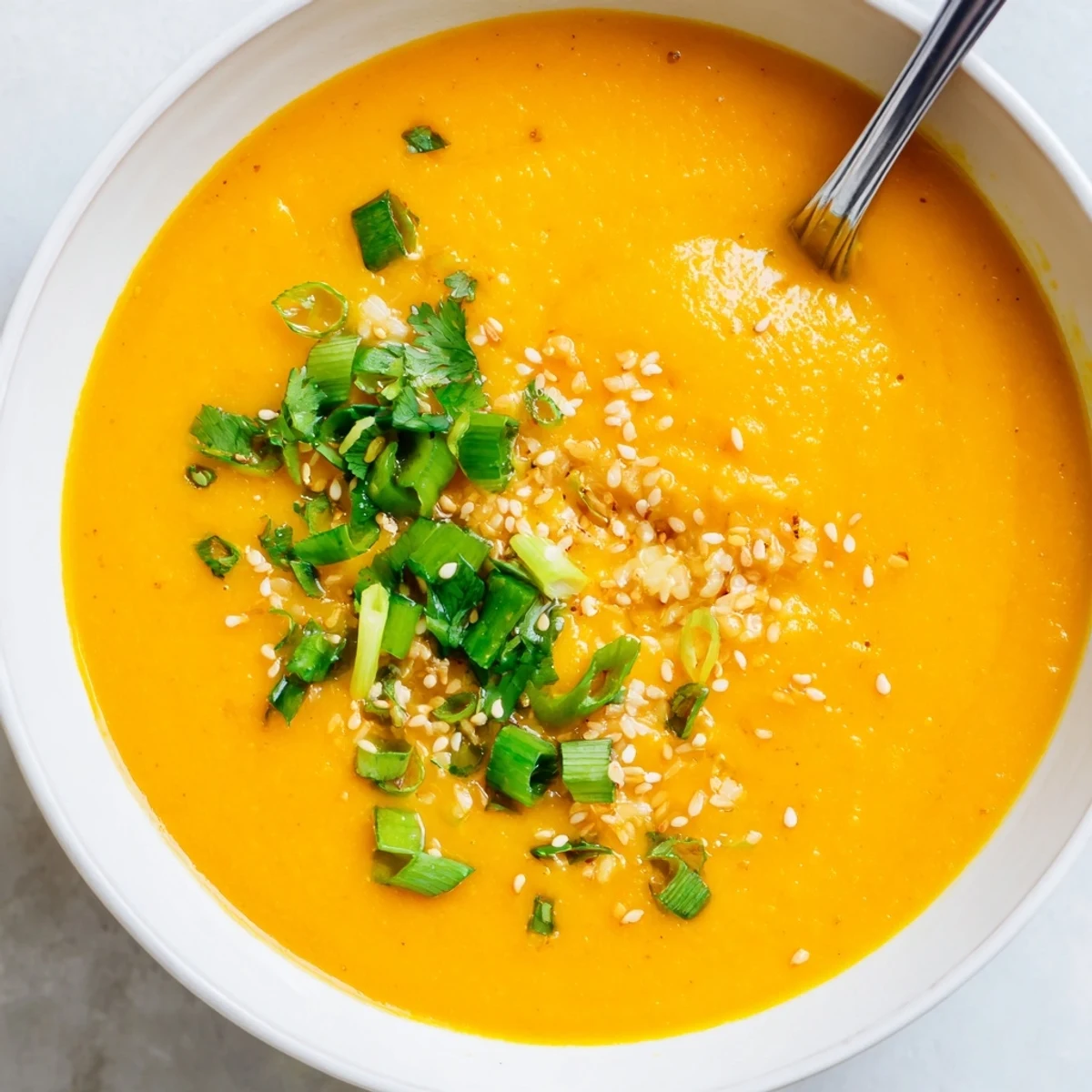
 This vibrant blend of sweet carrots and savory miso is enriched with a spicy kick to create a nourishing and comforting bowl. The soup balances sautéed aromatics, smooth pureed vegetables, and flavorful broth, finished with a hint of lime and optional garnishes like cilantro and toasted sesame seeds. Ideal for a quick, wholesome meal with easy preparation and adaptable spice levels.
The first time I made this soup, it was a gray Sunday and I needed something that felt like a warm hug. I misjudged the sriracha and my husband took one sip, eyes widening, before reaching for the milk. We still laugh about that spicy afternoon, though I have learned to measure with a lighter hand since then.
Last winter my sister came over feeling drained and I made a double batch. She sat at the counter watching me blend the soup, steam curling up toward the ceiling, and said she already felt better just smelling it. We ate in comfortable silence while rain tapped against the window.
Ingredients
- 1 tbsp olive oil: The foundation that carries all those aromatic flavors, just enough to sauté without heaviness
- 1 medium onion, chopped: Sweetness that mellows into the soup, providing depth you will miss if you skip it
- 3 garlic cloves, minced: Do not rush this step, let it bloom in the oil for that essential aromatic base
- 1 tbsp fresh ginger, grated: Use the smallest grater holes you have, larger pieces will not dissolve into the silkiness
- 700 g carrots, peeled and sliced: Even sizing matters here so everything cooks at the same pace and melts together
- 1 medium potato, peeled and diced: The secret weapon for creaminess without any dairy, though you can leave it out
- 1.2 liters vegetable broth: Low sodium lets you control the seasoning, homemade will elevate this to another level entirely
- 2 tbsp white or yellow miso paste: White is milder and sweeter, yellow brings more earthy depth to the bowl
- 1 tbsp soy sauce: Tamari works beautifully here if you need to keep it gluten free
- 1-2 tsp sriracha or chili garlic sauce: Start with one teaspoon, you can always add more but you cannot take it back
- Juice of ½ lime: The brightness that cuts through the richness and makes every layer pop
Instructions
- Build your aromatic base:
- Heat the olive oil in a large pot over medium heat until it shimmers slightly. Toss in the chopped onion and sauté for about 3 minutes until it turns translucent and soft.
- Wake up the garlic and ginger:
- Add the minced garlic and grated ginger to the pot, stirring constantly for just 1 minute until the fragrance fills your kitchen.
- Coat the vegetables:
- Stir in the sliced carrots and diced potato, letting them sauté for another 5 minutes. You want the edges to start softening and everything to be coated in those aromatics.
- Simmer to tenderness:
- Pour in the vegetable broth and bring everything to a gentle boil. Reduce heat to low, cover, and let it simmer for 20 to 25 minutes until a fork slides easily through the carrots.
- Transform into silk:
- Remove the pot from heat and let it cool for a few minutes. Blend with an immersion blender until completely smooth, or work in batches if using a countertop blender.
- Layer in the umami:
- Whisk the miso paste with a ladle of hot soup in a small bowl until dissolved. Stir this back into the pot along with the soy sauce and sriracha.
- Gentle warming only:
- Return to low heat just to warm everything through. Never let it boil after adding the miso or you will lose those delicate probiotic benefits.
- Finish with brightness:
- Stir in the lime juice and taste. Adjust the seasoning or heat level as needed before ladling into bowls.
- Garnish and serve:
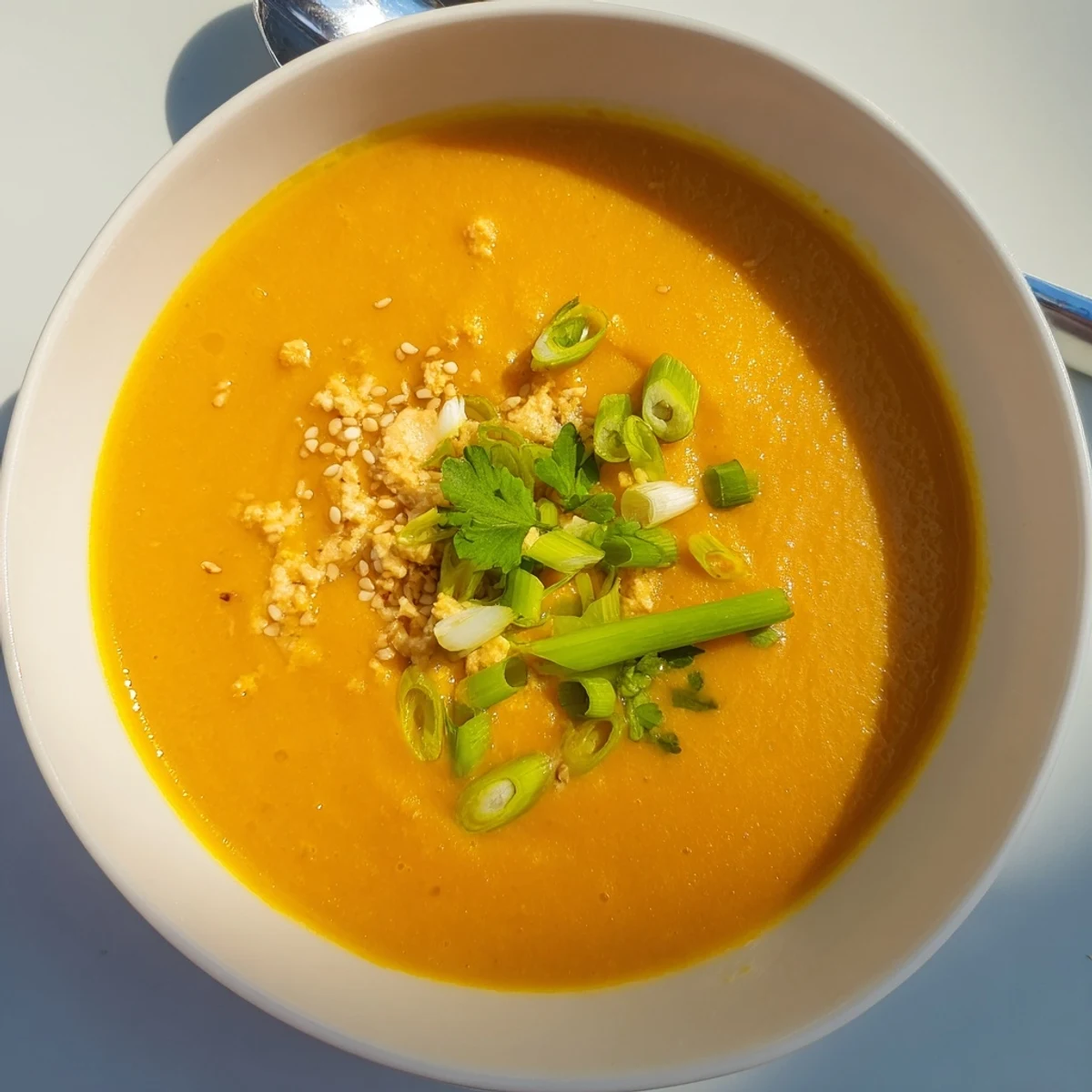
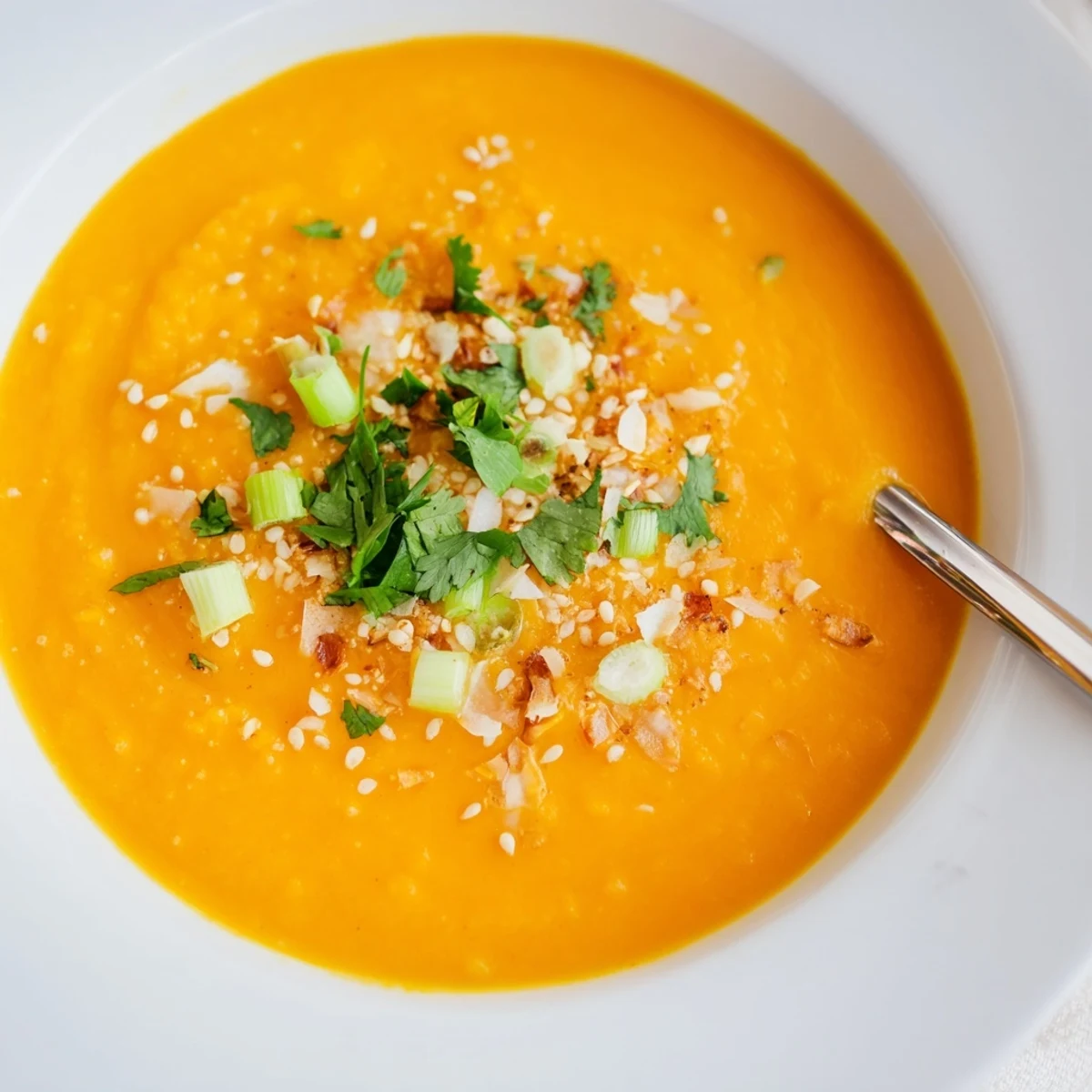
- Top with fresh coriander, sliced spring onions, and toasted sesame seeds if you like. The colors and textures make each bowl feel special.
 Save to everydaypinmeals
 This became my go to meal when friends are feeling under the weather. Something about that combination of warmth and spice feels medicinal in the best possible way, and nobody has ever left my table without asking for the recipe.
Making It Your Own
Coconut milk stirred in with the miso creates this incredible richness that transforms the soup into something almost luxurious. I discovered this by accident when I wanted to use up half a can and now some nights I prefer it that way.
Texture Secrets
The potato is not strictly necessary but it does something magical to the mouthfeel. If you want extra silkiness without it, try adding a cashew cream swirl at the end instead of coconut milk for a completely different but equally lovely result.
Perfect Pairings
Crusty bread is obvious but steamed rice works surprisingly well, turning it into more of a complete meal. I have also served it alongside grilled tofu or roasted chickpeas when I need something more substantial.
- Toasted nori strips add an extra umami punch and look beautiful scattered on top
- A drizzle of sesame oil right before serving brings a lovely nutty aroma
- Extra lime wedges on the table let everyone brighten their bowl to taste
 Save to everydaypinmeals
 There is something so satisfying about taking the simplest vegetables and turning them into something this complex and comforting. I hope this finds you on a day you need exactly that kind of warmth.
Recipe FAQs
- → What level of heat does the dish have?
-
The spice level can be customized using 1–2 teaspoons of sriracha or chili garlic sauce, allowing you to adjust to mild or moderate heat.
- → Can this dish accommodate gluten-free requirements?
-
Yes, by using gluten-free miso and tamari soy sauce, the dish remains suitable for gluten-sensitive diets.
- → What is the role of lime juice in the preparation?
-
Lime juice is stirred in at the end to add brightness and balance the rich, savory flavors.
- → What optional ingredients enhance texture or flavor?
-
Adding diced potato or coconut milk enriches creaminess, while garnishes like fresh coriander, spring onions, and sesame seeds add fresh, nutty notes.
- → How is the smooth texture achieved?
-
After simmering, the cooked vegetables are blended until completely smooth using an immersion or countertop blender.