
 Save to everydaypinmeals
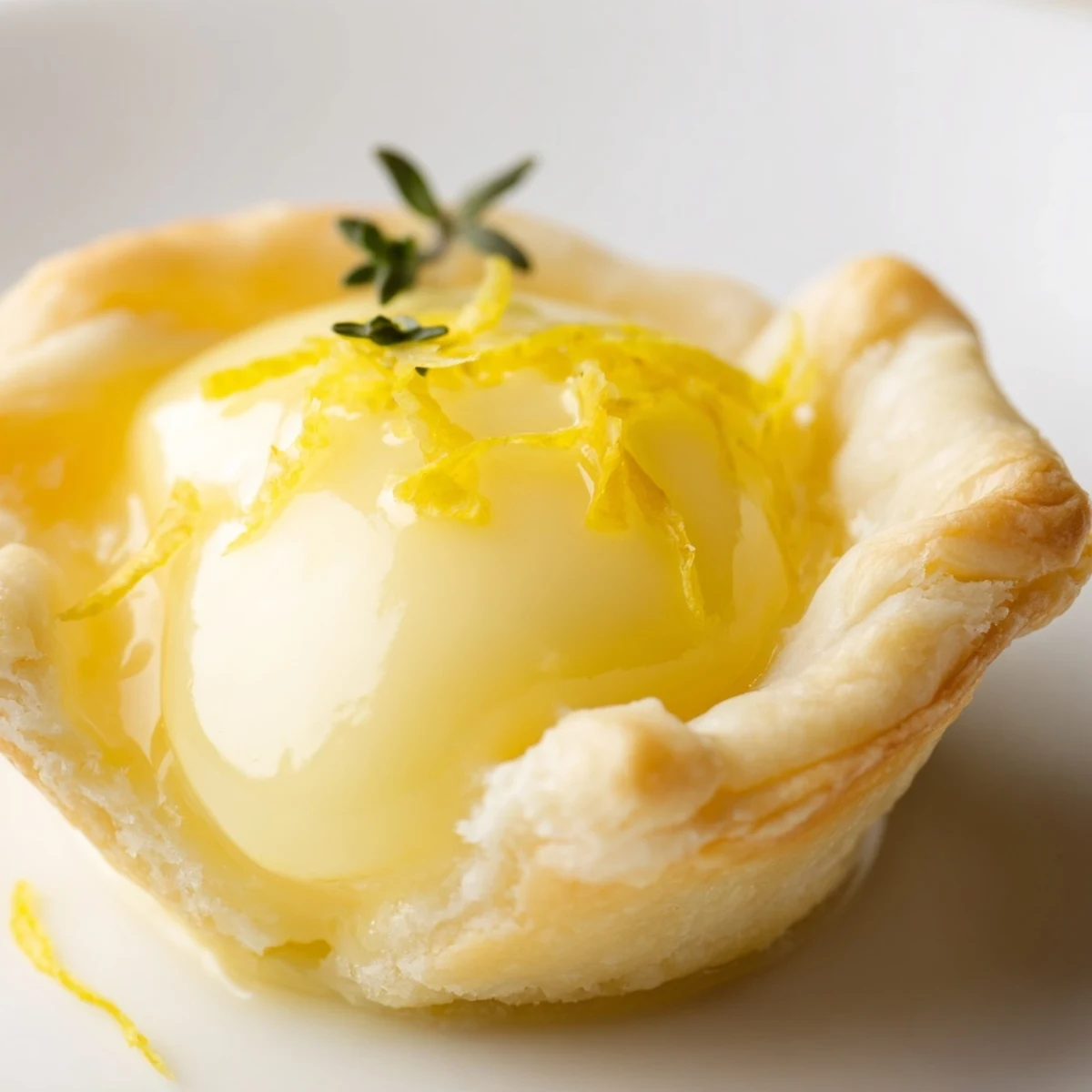
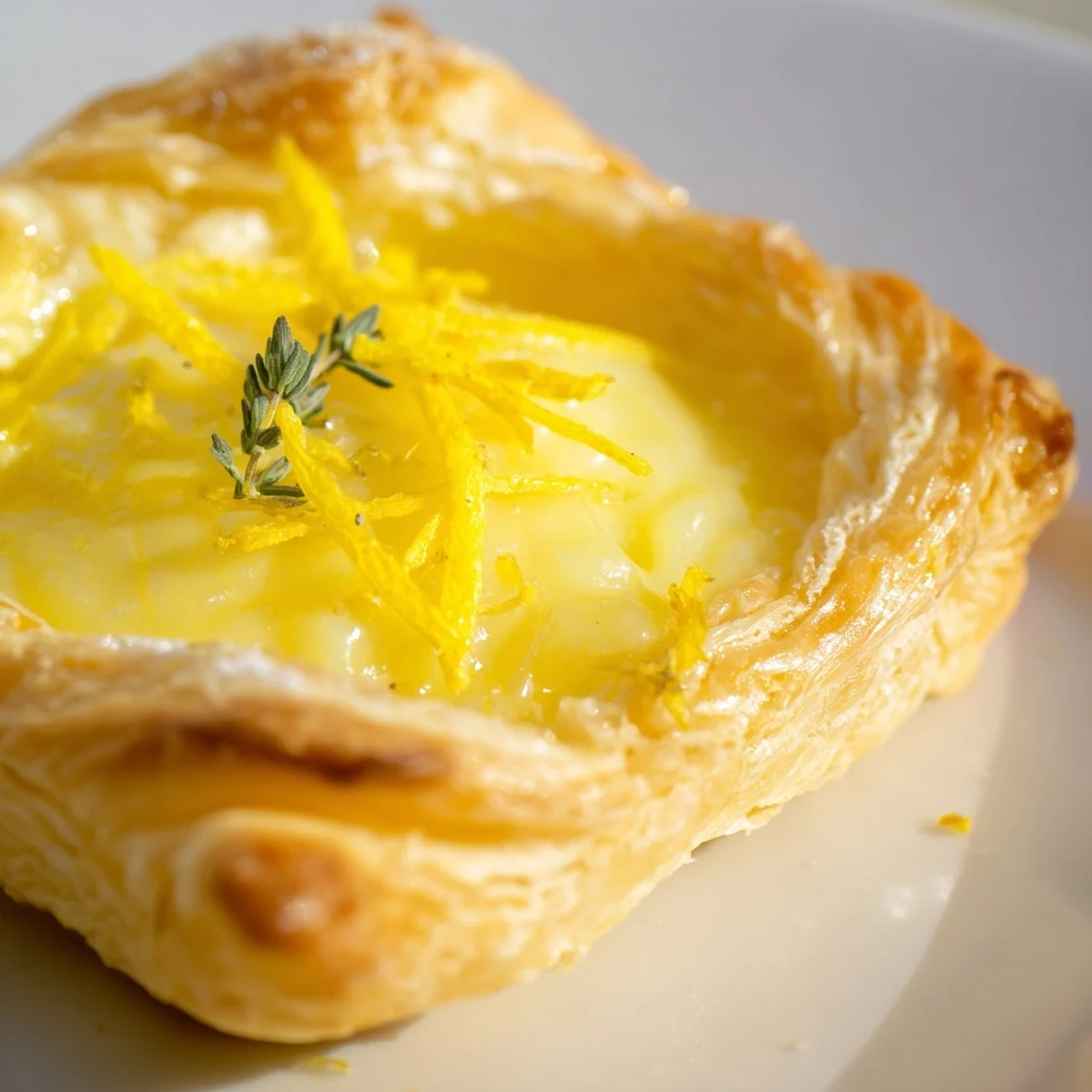
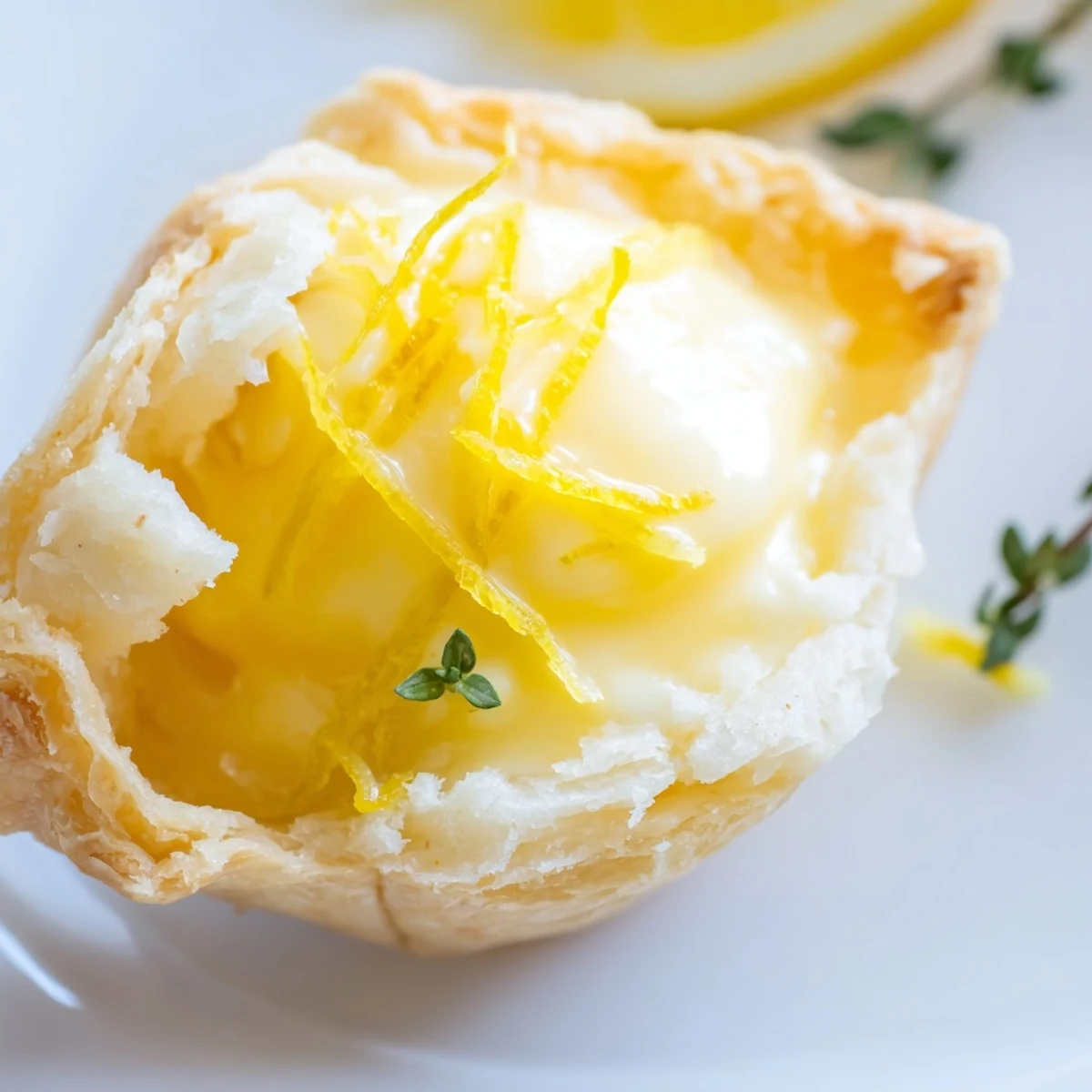
 Prepare these elegant French-style tarts featuring a crisp, buttery pastry shell filled with a rich, smooth lemon custard. The process involves rubbing cold butter into flour for the base and whisking eggs with fresh lemon juice for the vibrant filling. Bake until set, then garnish with zest or herbs for a sophisticated, zesty appetizer perfect for entertaining.
There's something about the moment when you pull a golden tart shell from the oven and realize you've finally nailed the butter-to-flour ratio. I'd been intimidated by pastry for years until a friend casually mentioned that cold butter and confidence were all I needed. These lemon tarts became my quiet victory—crisp shells giving way to silky, bright filling that tastes like someone bottled sunshine and cream together.
I made these for a dinner party thinking they'd be a nervous first attempt, but my sister took one bite and asked for the recipe before dessert even arrived. That's when I realized this wasn't just a recipe—it was the kind of dish that makes people pause mid-conversation.
Ingredients
- All-purpose flour: The foundation of your shell; make sure it's measured by weight if you have a scale, because scooping can pack it down and make your tart tough.
- Cold unsalted butter, cubed: Non-negotiable—warm butter makes greasy dough; keep yours in the fridge until the last second.
- Salt: Just a pinch, but it brings out the lemon and balances the sweetness perfectly.
- Cold water: Add it a little at a time; you're looking for a dough that just barely holds together, not a sticky mess.
- Large eggs: Room temperature eggs whisk smoother and create a silkier filling.
- Granulated sugar: Sweetens without grittiness when properly whisked into the eggs.
- Lemon zest and fresh juice: Use real lemons—that bottled stuff tastes tired; zest just before mixing so the oils are still bright.
- Heavy cream: The magic ingredient that transforms tart filling into something luxurious without being heavy.
- Melted butter: Adds richness and helps the filling set with a silken texture.
- Lemon zest for garnish: A final flourish of color and flavor; thin strips look more intentional than scattered zest.
Instructions
- Make the pastry dough:
- Combine flour and salt in a bowl, then work in your cold butter cubes by rubbing everything between your fingertips until it looks like breadcrumbs—the texture tells you everything. Add cold water slowly, stirring just until the dough clumps together; you're not aiming for smooth, just cohesive.
- Chill and shape:
- Roll the dough out thin on a floured surface, cut rounds to fit your tartlet pans, and press them in gently with your fingertips. A fork prick across the bottom prevents puffing and gives you an even base for filling.
- Blind bake:
- Ten minutes in a 375°F oven sets the structure; your shells should smell buttery and look pale golden but not brown. This keeps them crisp when the wet filling goes in.
- Prepare the filling:
- Whisk eggs and sugar until they're pale and slightly thick, then fold in lemon zest, juice, cream, and melted butter; the mixture should be smooth and smell like pure lemon. This is the moment everything comes together, and it's worth taking your time to get it fully combined.
- Fill and finish baking:
- Pour the filling into warm shells—they'll take it better than cold ones—and bake 12–15 minutes until the centers jiggle slightly when you gently shake the pan. That slight wobble means creamy filling; overbaking makes it rubbery.
- Cool and garnish:
- Let them come to room temperature before pulling from pans so they release cleanly, then add lemon zest strips and fresh herbs if you're feeling fancy. Chilled or room temperature, they're equally lovely.
 Save to everydaypinmeals
 My mom watched me pull these from the oven and said they looked like something from a fancy French bakery. It was the first time she'd ever said that about anything I'd made, and I realized that sometimes the simplest things—butter, lemon, eggs—become extraordinary just because you paid attention.
The Pastry-Making Secret
Pastry seems intimidating until you understand that it's really just about temperature and texture, not fancy technique. The whole point of rubbing cold butter into flour is to create tiny pockets that steam during baking, puffing up and creating layers. Keep everything cold, work quickly, and trust that your hands know what breadcrumbs feel like—that's truly all it takes.
Why This Filling Works
The combination of eggs, sugar, lemon, and cream creates something that's both custardy and bright, setting up just enough to hold its shape while staying creamy inside. Heavy cream is the secret weapon here; it smooths everything out and keeps the filling from tasting too acidic or curdled. The melted butter rounds out the edges and adds a richness that keeps you coming back for another bite.
Timing and Serving
These tarts are beautiful at any temperature, which makes them perfect for entertaining—you can bake them hours ahead and serve them however suits your gathering. Fresh herbs are optional but worth the effort; they add a subtle earthiness that makes the lemon taste even brighter.
- Make the dough a day ahead if you want less stress on party day; it actually improves overnight.
- A Sauvignon Blanc or sparkling wine pairs beautifully, cutting through the richness and echoing the brightness of the lemon.
- If you're feeling adventurous, a tiny pinch of black pepper or a few capers scattered on top before baking transforms these from sweet to savory.
 Save to everydaypinmeals
 These tarts are proof that simple ingredients handled with care become something people remember. Make them for someone you care about, or just for yourself on an afternoon when you want to feel a little fancy.
Recipe FAQs
- → Can I make the dough ahead of time?
-
Yes, the pastry dough can be prepared in advance, wrapped tightly, and refrigerated for up to two days before rolling and baking.
- → How should I store the finished tarts?
-
Keep the cooled tarts in an airtight container in the refrigerator for up to two days. Serve them chilled or bring them to room temperature before eating.
- → What type of pan is best for this?
-
Mini tartlet pans with removable bottoms work best for easy release, but a standard muffin tin can also be used to create smaller, bite-sized versions.
- → Can I add a savory twist?
-
Absolutely, consider adding a pinch of black pepper or a few capers to the filling before baking to complement the bright citrus flavor with savory notes.
- → How do I know when the filling is set?
-
The filling is ready when the edges are firm but the center still has a slight wobble, similar to a cheesecake. It will continue to set as it cools.