
 Save to everydaypinmeals
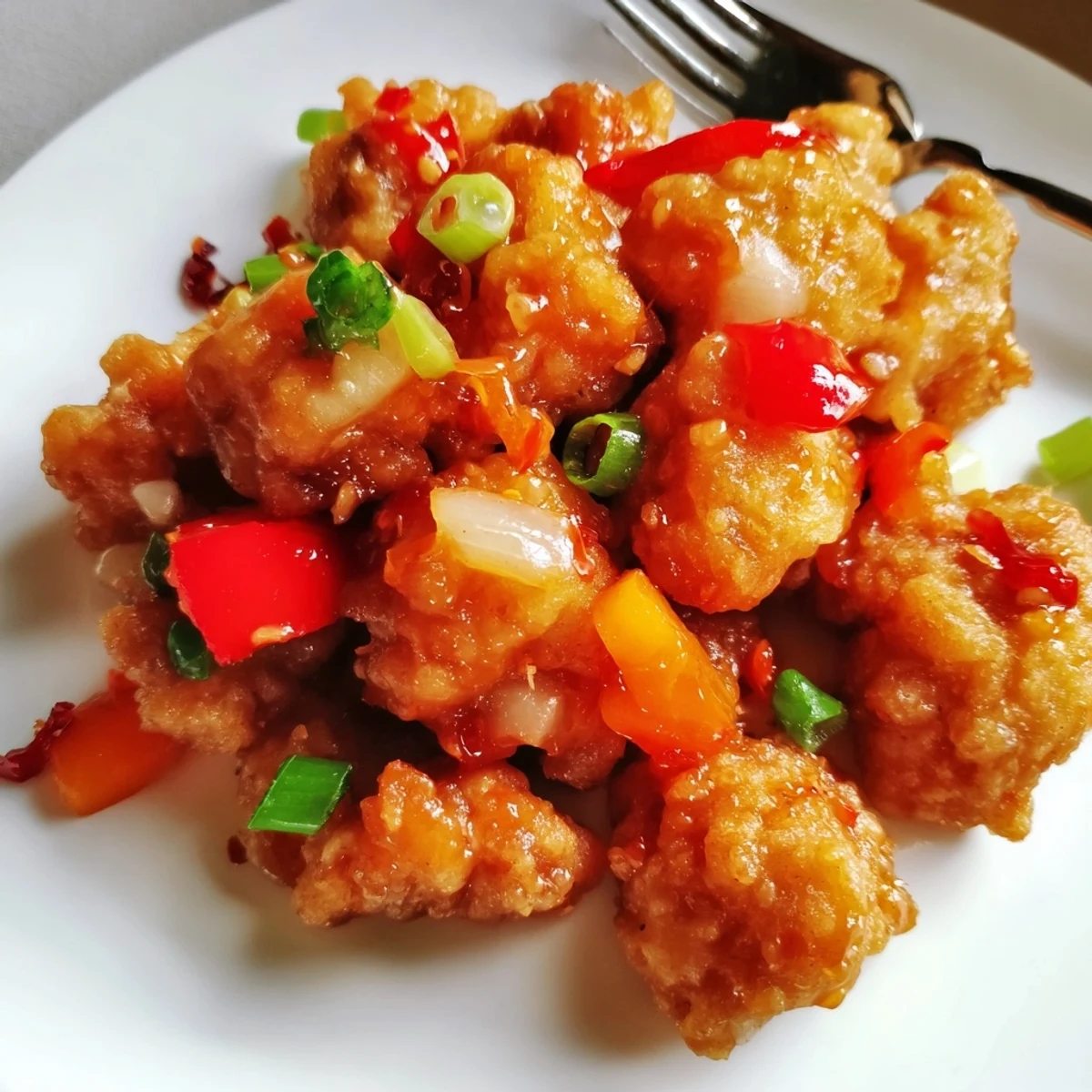
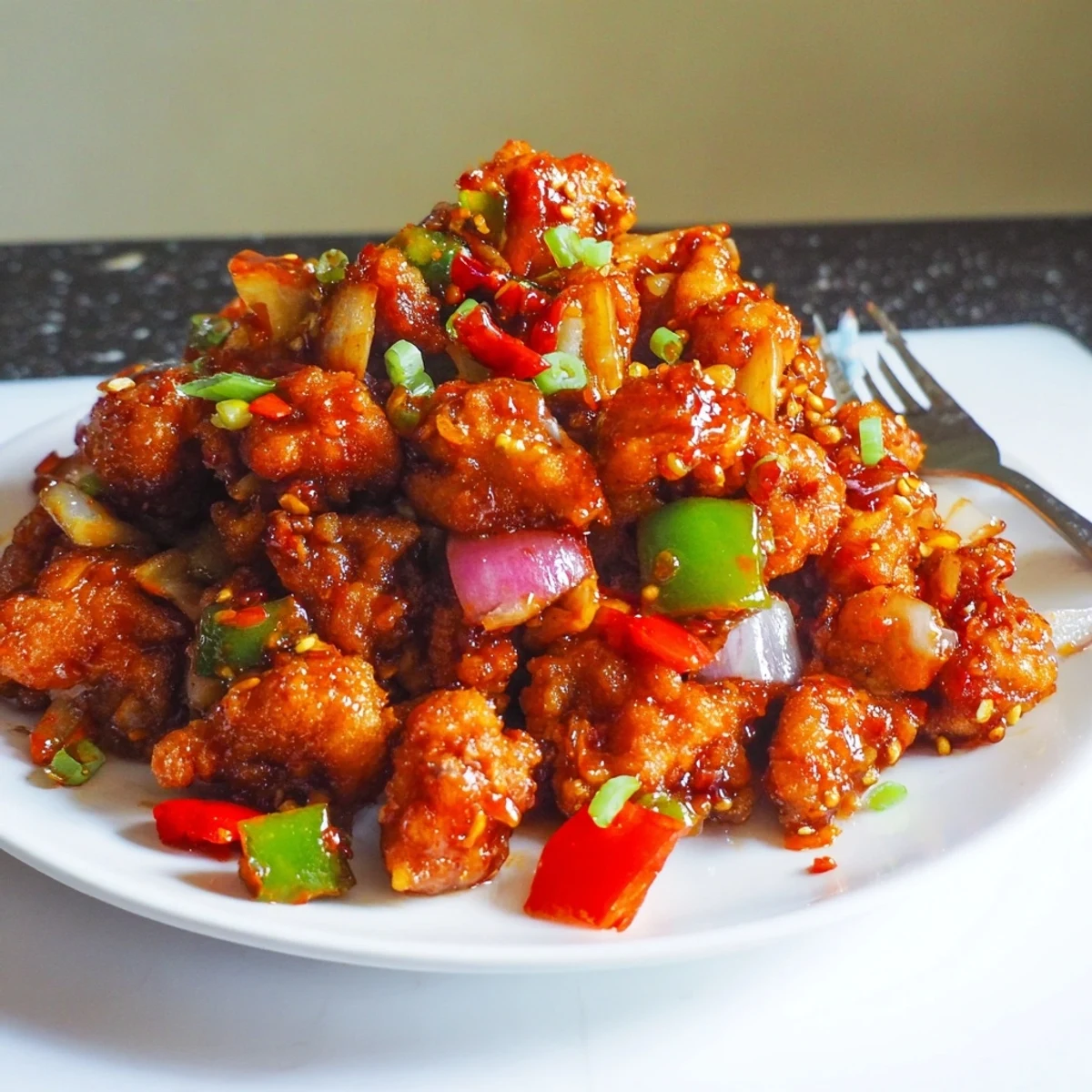
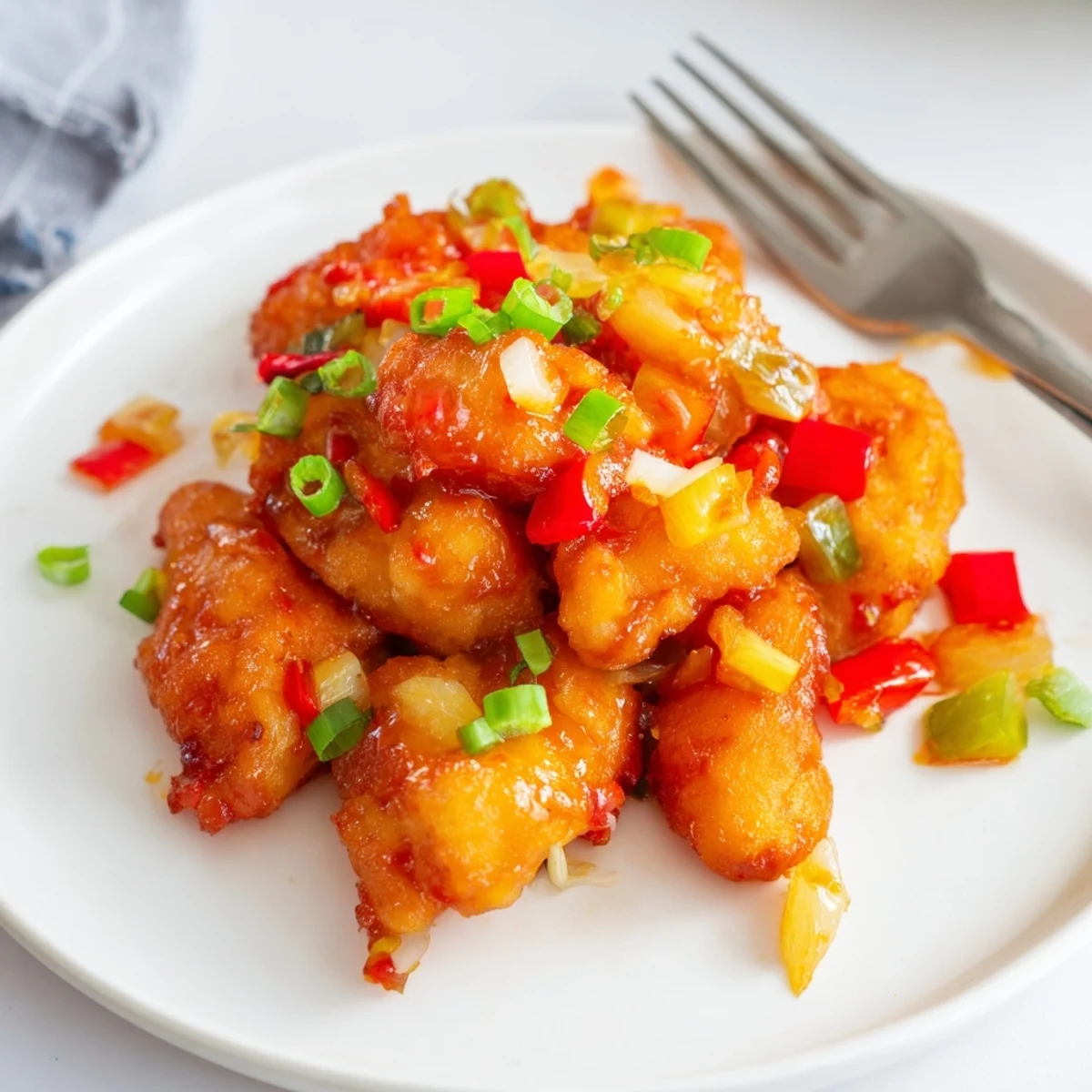
 This Indo-Chinese chilli chicken combines crispy, golden-battered chicken bites with a glossy, tangy-spicy chilli-soy glaze and crunchy diced bell peppers and onions. After a short marinade, the chicken is deep-fried until crisp, then quickly tossed in a wok with garlic, ginger, sauces and a cornflour slurry to thicken. Garnish with spring onions and serve hot with fried rice or noodles for a bold, comforting meal.
The first time I had chilli chicken was at a tiny hole-in-the-wall restaurant during college finals week. My friend swore it was the ultimate comfort food, and that first bite of crispy chicken coated in sticky, spicy-sweet sauce completely changed my mind about Indo-Chinese cuisine. Now it is the one dish my family requests for every celebration and casual Friday night alike.
I once made this for a potluck and watched three people hover around the serving dish, picking at the last pieces. The way the peppers still have a slight crunch while the chicken stays tender is something I have perfected through many batches of slightly-too-soft attempts. Now it is the dish that disappears first, every single time.
Ingredients
- 500 g boneless chicken: Thighs stay juicier but breasts work perfectly if you do not overcook them
- Cornflour and all-purpose flour: This dual-flour coating creates that restaurant-style crunch that actually lasts
- Egg: Acts as the perfect binder for the flour mixture to cling to the chicken
- Fresh ginger and garlic: Do not substitute with paste here—fresh is what makes the aromatic base sing
- Bell peppers: Keep the pieces substantial so they maintain their crunch in the sauce
- The sauce trio: Soy, chilli sauce, and ketchup balance salt, heat, and sweetness perfectly
- Cornflour slurry: This is what transforms the sauce from thin to gorgeously glossy
Instructions
- Marinate the chicken:
- Toss the chicken pieces with both flours, egg, salt, pepper, soy sauce, and ginger-garlic paste until evenly coated. Let it sit for 15 minutes so the flavors penetrate and the coating adheres properly.
- Fry until golden:
- Heat oil in a wok and fry chicken in batches—overcrowding kills the crunch. Cook until deep golden and the chicken feels light and crispy when lifted with tongs.
- Build the aromatics:
- Fresh oil goes into the wok, then ginger, garlic, and slit green chillies hit the heat. The moment that garlicky fragrance fills your kitchen, you are ready for the vegetables.
- Keep the crunch:
- Add onions and peppers, stir-frying on high heat for just 2 to 3 minutes. You want them softened but still snapping when you bite in.
- Combine everything:
- The crispy chicken joins the vegetables, then pour in all those sauces—soy, chilli, ketchup, vinegar, sugar, pepper. Toss until everything glistens.
- Make it glossy:
- Pour in the cornflour slurry and keep tossing for 1 to 2 minutes. The sauce will thicken into something that coats every piece beautifully.
- Finish with freshness:
- Scatter generous handfuls of spring onions right before serving. Their sharp brightness cuts through all that rich sauce.
 Save to everydaypinmeals
 My sister-in-law once texted me at midnight demanding this recipe after having it at our house. Now every family gathering includes a giant platter, and the best part is watching people go quiet for that first bite, eyes widening at how good it tastes.
Getting That Perfect Crunch
The secret to restaurant-style crispiness is frying in small batches and not overcrowding the wok. When you put too much chicken in at once, the oil temperature drops and you end up with soggy, greasy pieces instead of golden, crunch perfection. Patience with the frying pays off enormously in the final texture.
Balancing The Heat
Indo-Chinese food lives in that sweet spot where heat meets sweet. If you are sensitive, start with fewer green chillies and add more chilli sauce to taste. The sugar is not optional—it tames the fire and helps create that sticky glaze that makes chilli chicken irresistible.
Make It Your Own
Once you have the basic technique down, this recipe welcomes endless variation. Some nights I add pineapple chunks for sweetness, other times I throw in cashews for extra crunch. The core method stays the same, but you can make it entirely your own.
- Squeeze in fresh lime right before serving for brightness
- Add a teaspoon of Schezwan sauce if you crave extra punch
- Double the vegetables and reduce the chicken for a lighter version
 Save to everydaypinmeals
 There is something deeply satisfying about a dish that looks impressive but comes together so quickly. Serve it hot, watch people reach for seconds, and know that this Indo-Chinese classic has officially become part of your cooking repertoire.
Recipe FAQs
- → How long should the chicken marinate?
-
Marinate the chicken for at least 15 minutes to let the cornflour, egg, soy and ginger-garlic paste adhere and lightly season the meat. For deeper flavor, extend to 30 minutes, but avoid over-marinating in egg-based mixes.
- → Can I avoid deep-frying and still get crisp chicken?
-
Yes. For less oil, shallow-fry in a hot pan in batches until golden, or bake at high heat on a wire rack after coating. Finish in the wok to coat with sauce so pieces retain some crunch.
- → What thickener works best for the sauce?
-
Cornflour (cornstarch) slurry is ideal — it creates a glossy, clingy sauce typical of Indo-Chinese dishes. Mix it with cold water before adding and cook briefly until the sauce turns translucent and coats the chicken.
- → How can I adjust the heat level?
-
Reduce heat by using fewer green chillies or omitting chilli sauce; increase by adding sliced chillies or a spoon of Schezwan sauce. Balance spice with a touch more sugar or ketchup if it becomes too fiery.
- → Are there vegetarian swaps that keep the texture?
-
Use paneer cubes or firm tofu tossed in the same batter and pan-fried until golden. Tofu gives a lighter bite while paneer keeps a firmer, chewy texture that pairs well with the glossy sauce.
- → How should leftovers be stored and reheated?
-
Store in an airtight container in the fridge for up to 2 days. Reheat gently in a hot skillet to revive crispness and avoid a soggy texture; add a splash of water if the sauce has thickened too much.