
 Save to everydaypinmeals
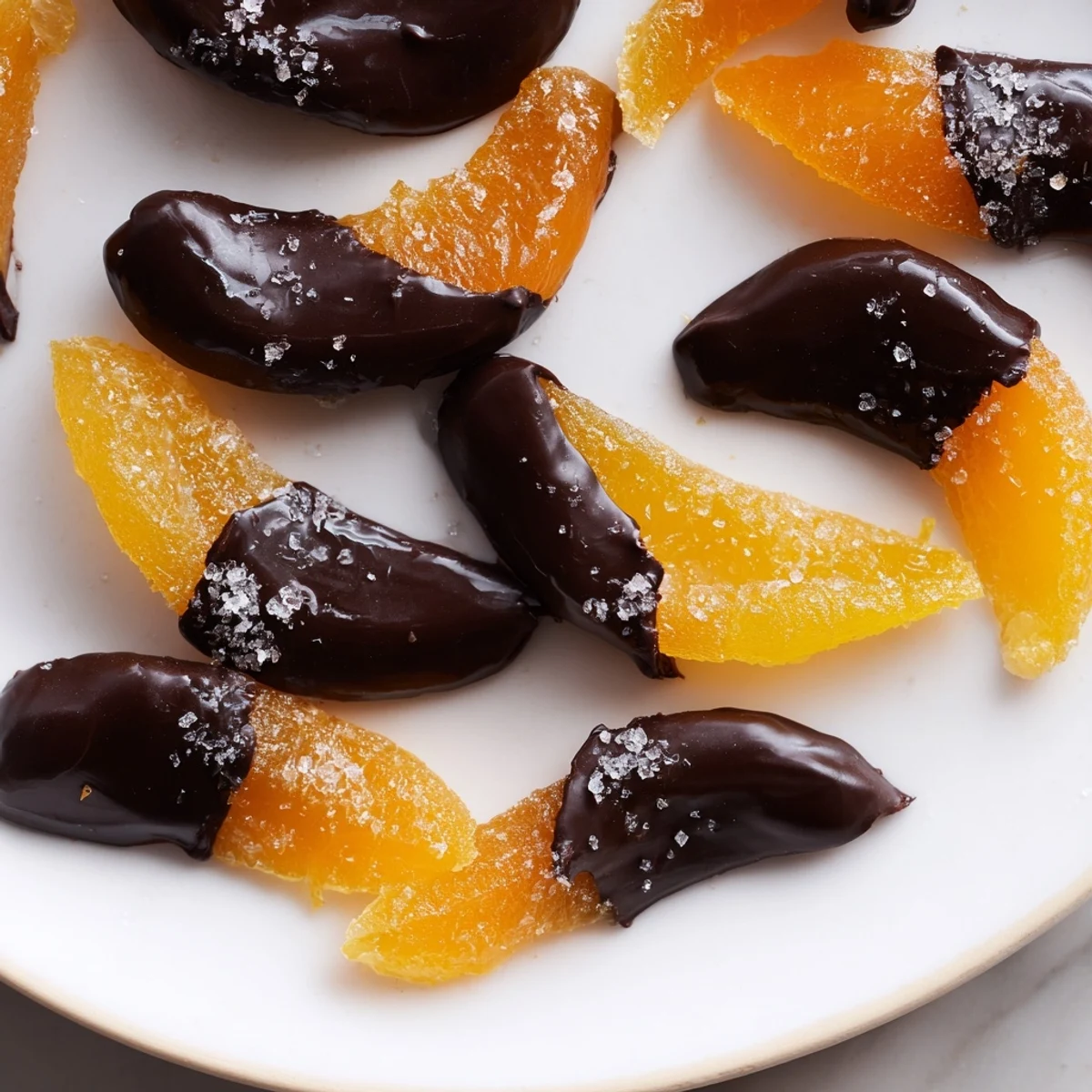
 These chocolate covered orange peels transform simple citrus into an elegant confection. Fresh orange peels are blanched to remove bitterness, then slowly simmered in sugar syrup until translucent and tender.
Once dried, each candied strip is dipped halfway into melted dark chocolate and left to set. A sprinkle of flaky sea salt adds a sophisticated finishing touch. The result is a beautifully balanced treat — bright citrus sweetness meets bittersweet chocolate with every bite.
They require patience rather than skill, making them an approachable weekend project. Store them in an airtight container and they'll keep for up to two weeks, perfect for gifting or enjoying alongside coffee.
The smell hit me before anything else, sharp and sweet, drifting from my friends tiny Paris kitchen where orange peels were slowly turning to candy on the stove. She wasnt even making them for me, but I stood there leaning against the doorframe and decided right then that this would be something I figure out at home. Three batches later, covered in chocolate smears and sugar syrup, I finally got it right.
I packed a tin of these for my neighbor last December and she texted me three times asking for the recipe before New Years.
Ingredients
- 3 large oranges: Use thick skinned navel oranges if you can find them because the peel holds up beautifully during candying.
- 1 cup granulated sugar: Plain white sugar works best here since it lets the orange flavor shine through without competing.
- 1 cup water: Just enough to dissolve the sugar and create a bath that transforms those bitter strips into something jewel like and sweet.
- 200 g high quality dark chocolate: Spring for the good stuff at 60 percent cocoa or higher because this is one recipe where the chocolate quality really shows.
- 1 tsp flaky sea salt: Totally optional but that tiny crunch of salt on top makes each bite unexpectedly addictive.
Instructions
- Prep the oranges:
- Scrub the oranges clean under running water, then score the peel from top to bottom into four sections and gently peel them away, keeping a thin layer of white pith attached since it adds that classic chewy texture.
- Cut into strips:
- Slice each peel into strips roughly half a centimeter wide so they cook evenly and look elegant once dipped.
- Blanch away the bitterness:
- Pile the strips into a saucepan, cover with cold water, bring to a rolling boil for two minutes, then drain and repeat this two more times until the harsh bitterness softens into something mellow.
- Candy the peels:
- Simmer the sugar and water until dissolved, slide in the blanched peels, and let them burble gently for forty minutes until they turn translucent and glow like amber stained glass.
- Dry them out:
- Lift the peels out with tongs and spread them on a wire rack over parchment paper for at least an hour so the sticky syrup sets and the surfaces lose their tackiness.
- Melt the chocolate:
- Set a heatproof bowl over barely simmering water and stir the chocolate until it melts into a smooth glossy pool, or use the microwave in short fifteen second bursts if you prefer.
- Dip and finish:
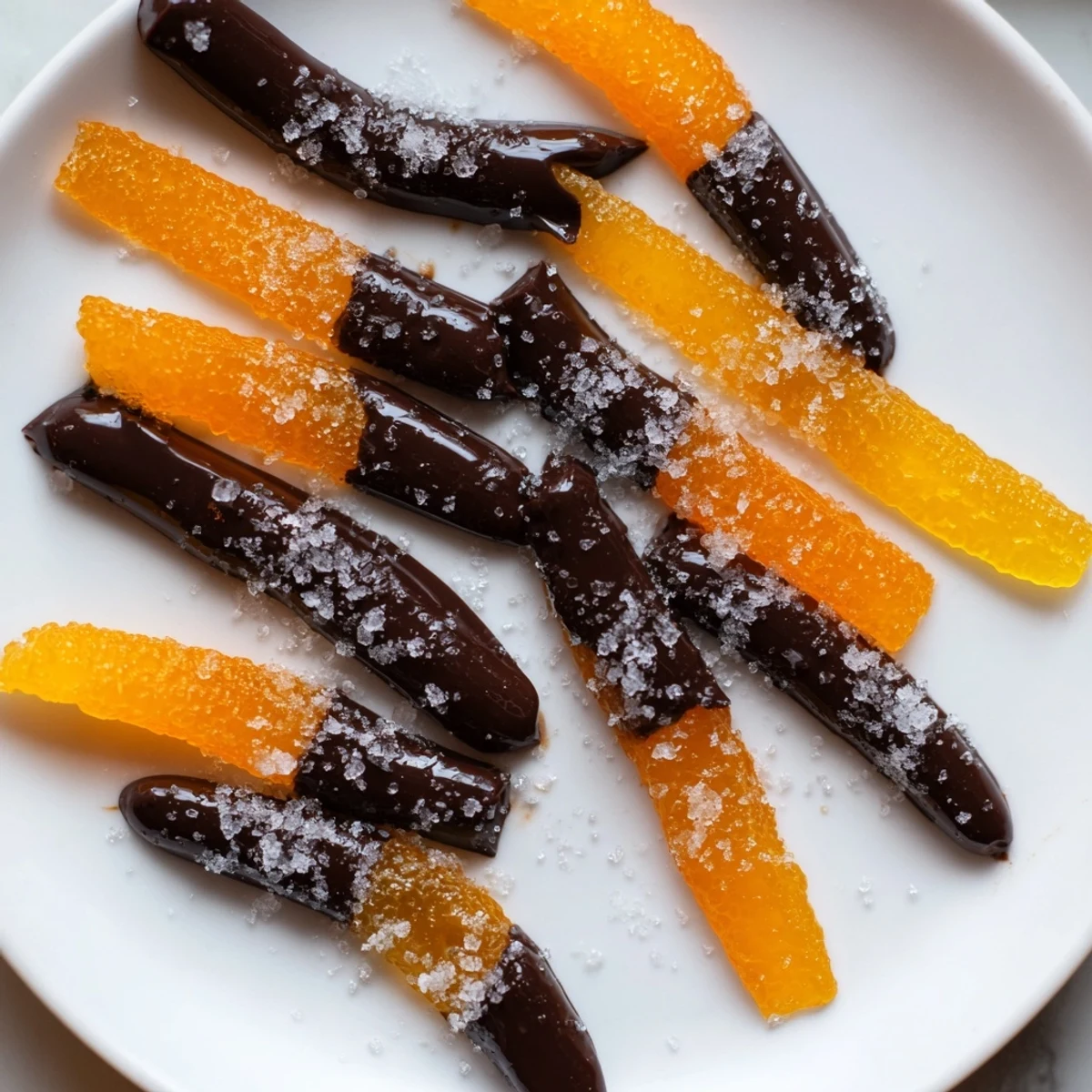
- Dip each candied strip halfway into the chocolate, let the extra drip back into the bowl, and lay them on fresh parchment with a tiny pinch of flaky salt before the chocolate firms up.
 Save to everydaypinmeals
 One rainy Saturday I sat at the kitchen counter with a cup of coffee and dipped peel after peel, watching the chocolate set into little glossy shells, and realized this quiet ritual had become my favorite part of the week.
Getting the Chocolate Right
If your chocolate blooms into dull white streaks, the bowl was too hot or you got a drop of water in there, so keep everything bone dry and work with patience rather than haste.
Storing and Gifting
Layer the finished peels between sheets of parchment in an airtight container and they stay perfect at room temperature for two full weeks, though in my house they never last that long.
Variations Worth Trying
Grapefruit peels turn slightly more bitter and sophisticated, while lemon peels give a brighter sharper candy that feels like summer in the middle of January.
- Try a mix of citrus peels in one batch for a beautiful assortment of colors and flavors.
- A light dusting of cocoa powder instead of salt gives a matte finish that looks stunning on a dessert plate.
- Always taste a peel after blanching before you commit to candying the whole batch.
 Save to everydaypinmeals
 These chocolate dipped orange peels are the kind of treat that makes people think you spent all day in a professional kitchen. Keep a tin hidden in your pantry for whenever you need a small, sweet moment of indulgence.
Recipe FAQs
- → Do I need to remove the white pith from the orange peels?
-
Keep some of the white pith — it adds a pleasant chewiness and slight bitterness that balances the sugar syrup. However, if you prefer a milder flavor, you can scrape away a portion of the pith with a spoon before slicing.
- → Why do I need to blanch the peels three times?
-
Repeated blanching draws out the harsh bitterness from the peels. Each boil-and-drain cycle softens that intensity, leaving behind a pleasant citrus flavor that pairs beautifully with the sweet syrup and dark chocolate.
- → Can I use milk or white chocolate instead of dark?
-
Absolutely. Milk chocolate will create a sweeter, creamier coating, while white chocolate adds a buttery sweetness. Dark chocolate (60% cocoa or higher) is traditional because its bitterness contrasts nicely with the candied citrus, but use whatever you enjoy most.
- → How do I know when the candied peels are ready?
-
The peels are done when they appear translucent and feel soft and pliable, typically after about 40 minutes of gentle simmering. They should no longer look opaque or feel tough when you bend one gently.
- → What is the best way to melt the chocolate?
-
A double boiler gives you the most control — place a heatproof bowl over simmering water and stir gently until smooth. Alternatively, microwave in 20-second bursts, stirring between each, until fully melted. Avoid overheating, as chocolate can seize and become grainy.
- → Can I use other types of citrus?
-
Yes, grapefruit, lemon, or even Meyer lemon peels work wonderfully with the same candying and dipping method. Each citrus brings its own character — grapefruit offers a lovely bitterness, while Meyer lemons are floral and mild.